2025 Trends in Top+ Digital Fabrics: The Rise of Rpet Fabric
As the textile industry evolves, the emergence of innovative materials plays a pivotal role in shaping sustainable fashion. Among these, Rpet Fabric has garnered considerable attention for its environmentally friendly properties and versatility. According to industry expert Dr. Emily Green, a sustainability consultant specializing in textile innovation, "Rpet Fabric represents a transformative approach to fashion, where sustainability meets style." This forward-thinking material is derived from recycled plastics, significantly reducing waste and promoting a circular economy.
The rise of Rpet Fabric in 2025 reflects broader trends in consumer demand for eco-conscious choices. With brands increasingly adopting sustainable practices, Rpet Fabric not only meets these expectations but also offers high-performance qualities that appeal to designers and manufacturers alike. As the dialogue around sustainability intensifies, Rpet Fabric stands at the forefront, showcasing how the textile industry can innovate without compromising the planet.
By embracing Rpet Fabric, the fashion industry takes a significant step towards minimizing its environmental impact, ultimately leading to a more responsible approach to textile production. The future of fashion lies in materials that tell a story of outpacing traditional practices, and Rpet Fabric is leading that narrative.
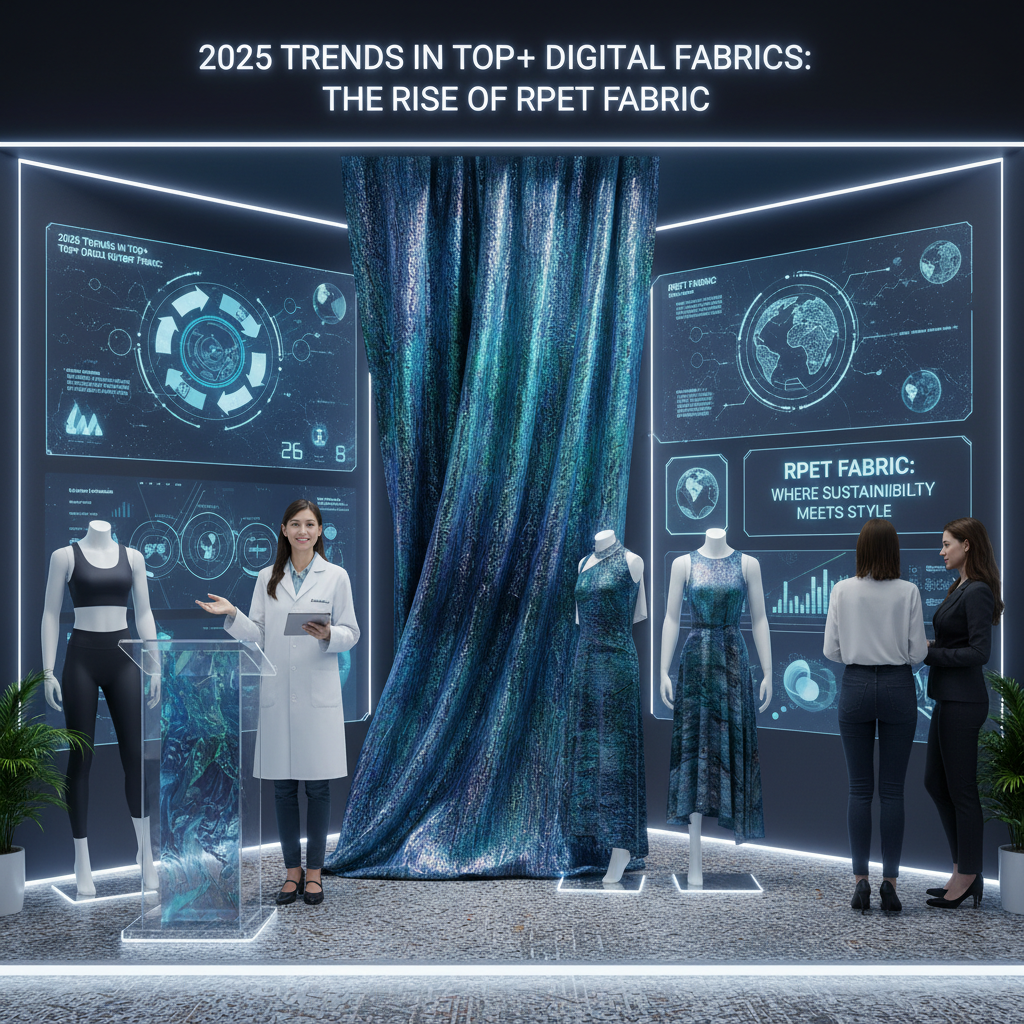
The Growing Demand for Rpet Fabric in Fashion Sustainability
The fashion industry is witnessing a significant shift towards sustainability, with RPET (recycled polyethylene terephthalate) fabric emerging as a frontrunner in eco-friendly textiles. As consumers become increasingly aware of their environmental impacts, the demand for RPET fabric is surging. This fabric, made from recycled plastic bottles, not only helps reduce waste but also minimizes the reliance on virgin materials. The rise of RPET aligns seamlessly with the growing trends in sustainable fashion, making it an essential component for brands looking to appeal to eco-conscious consumers.
When integrating RPET fabric into your fashion line, consider these tips: First, ensure transparency in your sourcing processes—consumers appreciate knowing where their materials come from and how they are processed. Second, focus on quality; RPET fabric can be just as durable and stylish as traditional textiles, thereby enhancing your brand’s reputation. Finally, share your sustainability journey with your audience—highlighting your efforts in reducing environmental impact can foster a loyal customer base committed to sustainable practices.
As RPET fabric continues to gain traction, it opens up new avenues for creativity and innovation in design. Transitioning to this sustainable material not only contributes to the health of our planet but also positions brands as forward-thinking leaders in the modern fashion landscape.
Innovations in Digital Fabric Technology: Enhancing Rpet Production
As we progress into 2025, the digital fabric industry is witnessing a remarkable transformation fueled by innovations in Rpet fabric production. Rpet, or recycled polyethylene terephthalate, has gained traction due to its sustainable attributes, but the latest advancements in digital fabric technology are set to enhance its production efficiency and environmental impact. These innovations include the development of specialized software that streamlines the design process and minimizes material waste, allowing manufacturers to create complex patterns and textures while adhering to eco-friendly principles.
Moreover, advancements in printing techniques, such as UV and water-based inks, are playing a vital role in optimizing the production of Rpet fabrics. These technologies not only reduce the carbon footprint associated with traditional fabric production but also improve the durability and vibrancy of printed designs. As the demand for sustainable textiles continues to rise, the integration of these technologies into Rpet production will not only elevate the aesthetics of digital fabrics but will also support the industry's commitment to reducing its environmental impact. This synergy of sustainability and innovation positions Rpet fabric as a frontrunner in the future of digital textiles.
2025 Trends in Top+ Digital Fabrics: The Rise of Rpet Fabric - Innovations in Digital Fabric Technology: Enhancing Rpet Production
| Trend |
Description |
Impact on Rpet Production |
Key Innovations |
| Sustainability Focus |
Growing emphasis on eco-friendly materials and practices. |
Increased demand for Rpet fabrics to reduce plastic waste. |
Recycling technologies that enhance Rpet quality. |
| Digital Printing Advances |
Improvement in digital printing techniques allowing for intricate designs. |
Reduction in water and chemical use during production. |
High-definition digital textile printing machines. |
| Smart Fabrics |
Integration of technology into fabrics for better performance. |
Enhancement of Rpet durability and functionality. |
Embedded sensors for monitoring fabric properties. |
| Bio-Additives |
Use of natural additives to improve fabric characteristics. |
Better biodegradability of Rpet products. |
Biopolymers that enhance fabric biodegradability. |
Market Projections: Rpet Fabric's Share in the Textile Industry by 2025
The textile industry is witnessing a significant transformation with the rising popularity of recycled PET (RPET) fabric. Projections indicate that the global polyester fiber market will expand from $82.07 billion in 2025 to $129.7 billion by 2032, demonstrating a strong compound annual growth rate (CAGR) of 6.8% during this period. This growth reflects the increasing demand for sustainable materials and the shift towards eco-friendly production methods in the industry.
As brands and consumers become more environmentally conscious, RPET fabric is positioning itself as a key player in this evolving market. The enhanced awareness around sustainability is driving innovations in recycling technologies, making RPET a viable alternative to traditional textiles. With the expectation of significant market share growth, RPET fabric is set to revolutionize the textile landscape by 2025, underscoring a broader trend towards sustainability that is likely to shape the future of fashion and textiles.
2025 Trends in RPET Fabric: Market Projections
This chart illustrates the projected market share of RPET fabric in the textile industry by 2025. The data reflects a growing interest in sustainable materials.
Consumer Preferences: The Shift Towards Eco-Friendly Digital Fabrics
The shift in consumer preferences towards eco-friendly digital fabrics is becoming increasingly evident, particularly as sustainability becomes a core value among modern consumers.
Recent studies indicate that over 60% of consumers consider sustainability when making purchasing decisions, signaling a significant transformation in the textile industry.
According to the Textile Exchange's 2022 Preferred Fiber and Materials Market Report, the demand for recycled polyester (rPET) has surged, with production expanding nearly 40% since 2019. This trend reflects a broader commitment to reducing fashion's environmental footprint.
As designers and brands respond to this growing demand, rPET fabric, derived from recycled plastic bottles, emerges as a frontline material in eco-conscious fashion.
The Global Recycling Foundation highlights that the recycling of plastic bottles into rPET can save up to 75% of energy compared to virgin polyester production.
This not only mitigates plastic waste but also reduces carbon emissions. As innovation continues, digital printing technologies integrated with rPET fabrics allow for vibrant designs without compromising sustainability, appealing to both environmentally conscious consumers and the creative industry.
With rPET set to dominate the market, the future of digital fabrics looks promisingly green.
Impact of Rpet Fabric on Waste Reduction Strategies in the Textile Sector
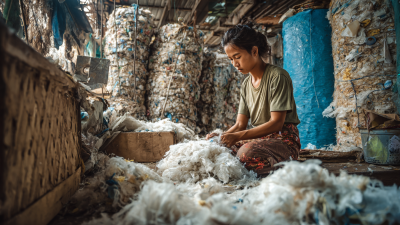
The rise of Rpet fabric in the textile industry is significantly reshaping waste reduction strategies. Rpet, or recycled polyethylene terephthalate, is derived from post-consumer plastics, primarily plastic bottles. By repurposing waste materials into new fabrics, the textile sector is not only minimizing landfill contributions but also reducing the demand for virgin resources. This cutting-edge approach addresses sustainability concerns by lowering carbon footprints and promoting circularity within fashion supply chains.
Tips for adopting Rpet fabrics include opting for brands that prioritize sustainability in their production processes. Look for certifications that ensure the recycling processes meet environmental standards. Furthermore, educating consumers about the benefits of Rpet can lead to more informed purchasing decisions, driving demand for eco-friendly options. Incorporating Rpet into designs not only enhances brand value but also appeals to environmentally conscious customers.
Innovative collaborations across the industry are crucial for advancing Rpet adoption. Partnerships among designers, manufacturers, and recyclers enable shared resources and expertise, fostering an environment where sustainable practices can thrive. By showcasing Rpet in collections, brands can inspire other companies to integrate eco-friendly strategies, collectively transforming the textile industry towards a more sustainable future.