2026 Top Imitation Linen Fabric Trends for Global Buyers?
The textile industry is witnessing exciting developments, especially with Imitation Linen Fabric. This fabric mimics the look and feel of natural linen, offering affordability and versatility. As global buyers increasingly seek sustainable and cost-effective alternatives, imitation linen is becoming a go-to choice.
In 2026, trends around Imitation Linen Fabric will shape fashion, home decor, and upholstery. Designers are focusing on eco-friendly production methods. They strive to create high-quality products that meet consumer demands. However, not all imitation linen fabrics are created equal. Quality can vary, and buyers must navigate this landscape carefully.
Additionally, the rise of digital printing techniques is enhancing patterns and textures in imitation linen. This fabric is evolving, yet concerns about durability and maintenance persist. Buyers should weigh these factors against aesthetic appeal. The trend is set to redefine market offerings, but caution remains essential in this journey.
Emerging Colors and Patterns in Imitation Linen Fabric for 2026
As we look forward to 2026, imitation linen fabric trends are set to evolve significantly.
Emerging colors and patterns will drive buyer interest. The demand for sustainable textiles is surging,
with a recent report indicating a projected market growth of 7% annually through 2026.
This aligns with consumer preferences favoring eco-friendly materials in fashion and home decor.
Color palettes will play a vital role in shaping these trends.
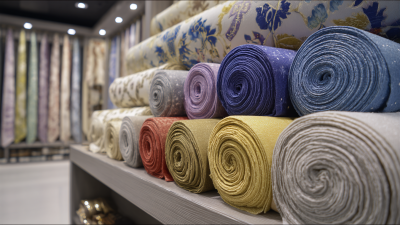
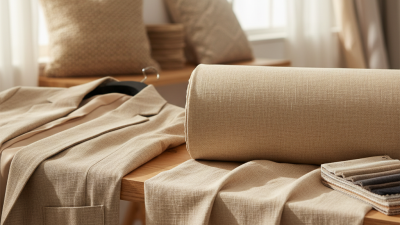
Soft earth tones like sage green and sandy beige are gaining traction.
These hues resonate well with current eco-conscious buyers. Moreover, the incorporation of rich jewel tones
is expected to rise, appealing to a more vibrant aesthetic.
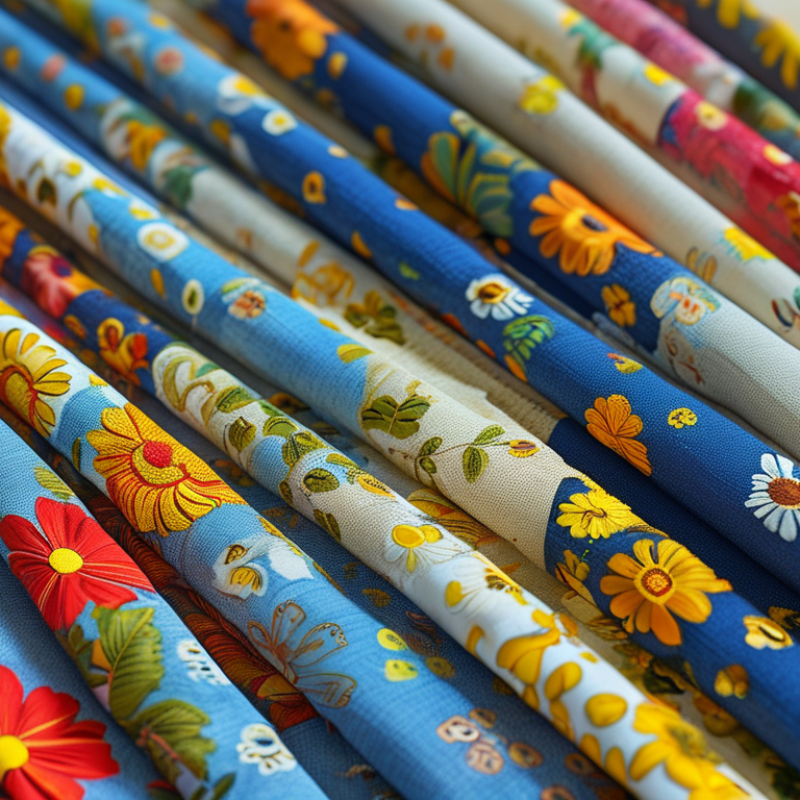
Patterns will also shift, with organic designs and abstract motifs replacing traditional styles.
This shift reflects a desire for individuality and uniqueness among consumers, indicating a major turning
point in the industry's design approach.
However, manufacturers must remain cautious. Not all emerging colors will resonate with every market segment.
Trends in urban areas differ from those in rural settings. Understanding these nuances is critical for success.
Continued research is essential to adapt effectively. In an ever-changing market, brands must reflect
on their design strategies to stay relevant while supporting sustainability.
Sustainable Materials Influencing Imitation Linen Fabric Trends
The trend of sustainable materials is reshaping the imitation linen fabric market. Many manufacturers are now focusing on eco-friendly fibers. This shift responds to global buyer demands for sustainable options. Traditional linen can have a high environmental impact, so alternatives are essential.
Recycled and organic fibers are gaining prominence. These materials often use less water and energy. They also reduce waste, contributing to a healthier planet. However, not all imitation linens focus equally on sustainability. Some options may incorporate synthetic blends that compromise ecological benefits.
Quality remains a critical concern. Buyers should examine sourcing practices and manufacturing processes. Transparency about material origins is vital. This knowledge aids consumers in making informed decisions. The textile industry must navigate the balance between innovation and responsibility. Buyers play a key role by choosing wisely.
Innovative Textures and Weaves in 2026 Imitation Linen Fabrics
The 2026 trends in imitation linen fabrics highlight innovative textures and weaves that captivate global buyers. This year, manufacturers are focusing on sustainable production methods. Reports show that 40% of consumers prioritize eco-friendly fabrics. The demand for imitation linen made from recycled materials is rising. This aligns with a shift towards responsible fashion.
New weaving techniques are also gaining traction. These methods enhance the tactile experience of fabrics, making them feel more luxurious. For example, a recent study found that consumers are willing to pay 20% more for fabrics with unique textures. The use of organic dyes is also growing, leading to vibrant colors in imitation linen. These developments create opportunities for designers to experiment and innovate.
However, challenges remain. Not all manufacturers can adopt these technologies. There may be inconsistencies in quality across the market. Buyers should remain vigilant when selecting suppliers. The evolving landscape of imitation linen fabrics demands attention and adaptability. Understanding these trends will empower buyers to make informed choices.
Key Markets and Consumer Preferences for Imitation Linen Fabrics
Imitation linen fabrics are gaining traction in global markets, particularly due to their affordability and versatility. Industry reports indicate that the demand for these fabrics is expected to grow by 5% annually through 2026. Buyers today are increasingly drawn to materials that mimic the aesthetic of natural linen while providing easy care and durability.
Regions like North America and Europe are leading the charge. In Europe, for example, consumers prefer eco-friendly options. About 70% of buyers are willing to pay more for sustainable products. This shift in consumer preference reflects a broader awareness of environmental issues. However, the challenge lies in ensuring that imitation linen remains affordable while maintaining these eco-friendly standards.
In Asia, rapid urbanization influences market trends. Young professionals prioritize stylish yet practical fabrics. They seek designs that fit urban lifestyles. Surprisingly, some remain skeptical about the quality of imitation fabrics despite their growing popularity. Manufacturers might need to focus more on quality testing and transparency. Building trust will be essential for long-term success in this dynamic market.
Fashion Industry Influences on Global Imitation Linen Trends in 2026
The fashion industry plays a crucial role in shaping imitation linen trends in 2026. As sustainability continues to gain traction, designers are focusing on eco-friendly alternatives. Imitation linen, made from synthetic materials, allows for lower environmental impacts compared to traditional linen. This shift is not just a trend; it's a necessity driven by consumer demand for sustainable products.
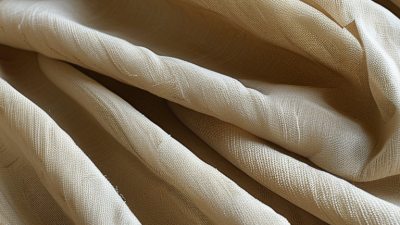
Texture and feeling are essential in imitation linen. Designers are experimenting with various finishes to create fabrics that mimic the softness and breathability of natural linen. Varied weights and draping characteristics add depth to collections. However, some fabrics struggle to maintain the desired aesthetic, leading to a mix of successes and failures.
Color trends are also evolving. Earthy tones dominate, reflecting a desire for connection to nature. Yet, bold colors are making an appearance, challenging the conventional palette. This push and pull between natural and vibrant reflects broader cultural movements. It raises questions about consumer tastes and their influence on fabric development. The balance between traditional aesthetics and modern innovation is delicate and ever-changing.