Top 10 Benefits of Recycled Nylon Fabric for Sustainable Fashion?
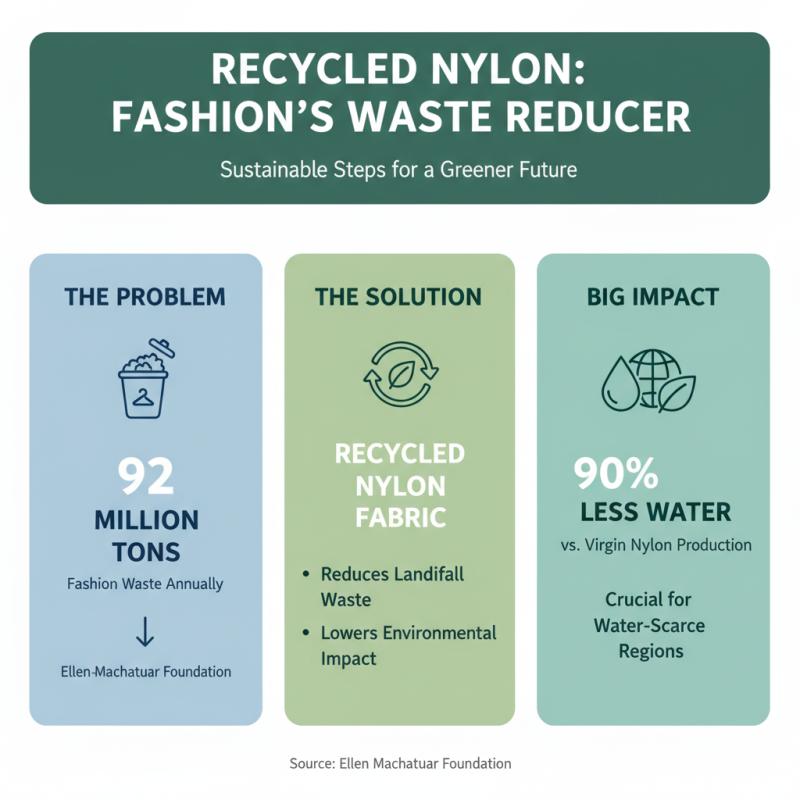
Sustainable fashion is more than just a trend; it’s a necessary shift. One key player in this shift is Recycled Nylon Fabric. According to a report by the Global Fashion Agenda, the fashion industry produces over 92 million tons of waste annually. This overwhelming figure highlights the urgent need for alternatives. Recycled nylon offers a promising solution.
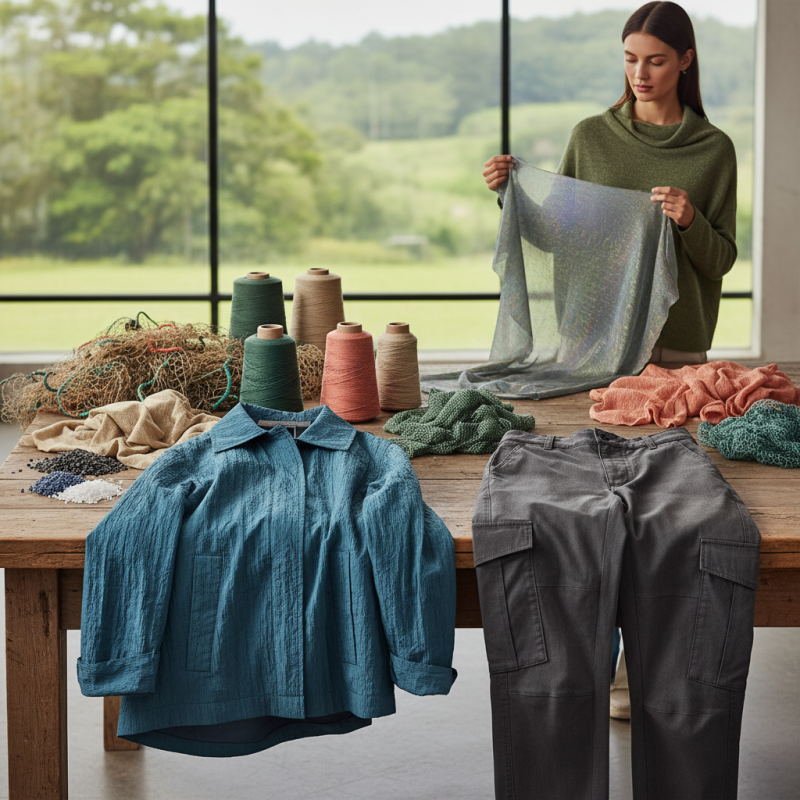
Using Recycled Nylon Fabric can reduce energy consumption by around 80% compared to virgin nylon, as per the Ellen MacArthur Foundation. This fabric is often made from discarded fishing nets and fabric scraps. Imagine transforming waste into stylish clothing. Brands are tapping into this potential, yet challenges remain. Availability and cost of recycled materials can hinder widespread adoption. While some brands have embraced recycled textiles, others lag behind, creating inconsistency in the industry.
Adopting Recycled Nylon Fabric reflects a commitment to sustainability. However, the fashion world must address the balance between aesthetics and eco-friendliness. Shoppers are more conscious of their choices, making it essential for brands to prioritize sustainable practices. The journey toward a sustainable fashion future is ongoing, and recycled materials play a crucial role. Yet, we must reflect on the impact and execution of these efforts as we move forward.
Benefits of Recycled Nylon Fabric in Reducing Waste in Fashion Industry
Recycled nylon fabric is transforming the fashion landscape. This material helps reduce waste significantly. According to the Ellen MacArthur Foundation, the fashion industry generates around 92 million tons of waste each year. By utilizing recycled materials, brands can cut their environmental impact. Recycled nylon uses up to 90% less water than virgin nylon. This drastic reduction is crucial, especially in water-scarce regions.
The production of recycled nylon also conserves energy. A study by the Textile Exchange indicates that recycling nylon can save up to 80% of energy compared to new nylon production. These figures highlight the importance of making mindful material choices.
Tips: Consider incorporating recycled nylon into your wardrobe. Look for sustainable options when shopping. Small changes matter in the fight against fashion waste. Reflect on your consumer habits. Are you genuinely making eco-friendly choices? By choosing recycled elements, you’re promoting a healthier planet.
Environmental Impact: How Recycled Nylon Contributes to Sustainability
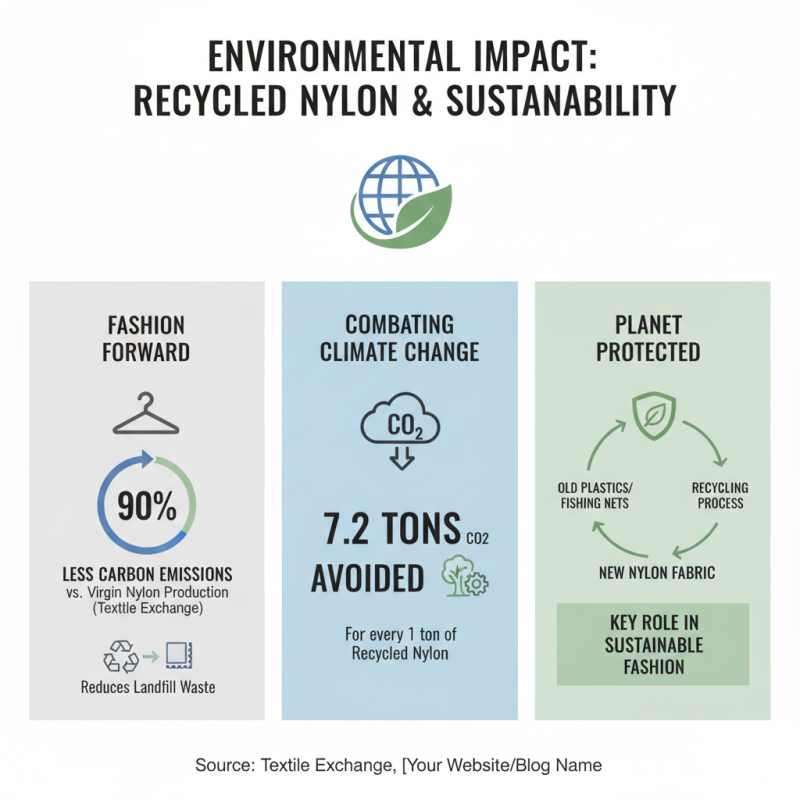
Recycled nylon fabric plays a vital role in sustainable fashion. It significantly reduces waste in landfills. According to the Textile Exchange, producing recycled nylon can cut carbon emissions by up to 90%. This reduction is essential in combating climate change. For every ton of recycled nylon created, approximately 7.2 tons of CO2 emissions are avoided. This statistic highlights the environmental impact of using recycled materials.
However, challenges remain in the recycling process. Often, nylon waste comes from mixed materials that are hard to recycle. Only 20% of nylon in the fashion industry is currently recycled effectively. This means most nylon still ends up in landfills. The quality of recycled nylon can also vary. Ensuring consistent quality is crucial for manufacturers. Sustainable fashion advocates must address these issues as they promote recycled materials.
Consumer awareness is growing. Many shoppers prefer eco-friendly options, yet they may not know the complexities of recycled nylon. Understanding the journey from waste to fabric is essential. More education is needed to inform consumers about sustainable choices. While recycled nylon offers significant benefits, the industry must continue to evolve. Achieving sustainability requires commitment from all stakeholders involved.
Economic Advantages of Using Recycled Nylon in Textile Production
Recycled nylon fabric offers notable economic advantages in textile production. First, it reduces raw material costs. With the demand for sustainable materials rising, recycled nylon can lower expenses associated with virgin nylon. Factories save on sourcing and processing new materials. This, in turn, can lead to lower prices for consumers.
Additionally, the energy savings are significant. Producing recycled nylon uses less energy compared to virgin nylon. This reduction in energy consumption can positively impact a company’s bottom line. It also aligns with a broader trend towards sustainability that attracts eco-conscious consumers.
Despite these benefits, there are challenges to consider. The technology to recycle nylon can be complex and costly. Not all facilities are equipped for this process. There’s also a perception issue; some consumers may not see recycled products as high quality. Brands should address these concerns to maximize the potential of recycled nylon in their collections.
Top 10 Benefits of Recycled Nylon Fabric for Sustainable Fashion
This chart illustrates the top benefits of using recycled nylon fabric in sustainable fashion, highlighting both environmental and economic advantages that contribute to a more sustainable textile industry.
Durability and Performance: The Quality of Recycled Nylon Compared to Virgin Nylon
Recycled nylon fabric stands out for its durability and performance. Many believe it cannot rival virgin nylon, but that's not accurate. In reality, recycled nylon can withstand wear and tear just as well, if not better. The fibers are often more resilient due to their transformation processes, enhancing their strength.
However, there are challenges. Some recycled products may not have consistent quality. This inconsistency can lead to variations in texture and feel. For fashion items, these factors make a difference. Yet, designers increasingly find ways to address these issues. They are now focusing on quality control, ensuring greater reliability in their materials.
Environmental benefits are significant. Using recycled nylon reduces waste and conserves resources. While some recycled fabrics might lack the luster of virgin options, they possess unique charm and stories. Embracing recycled nylon offers a chance to rethink fashion materials, blending sustainability with longevity.
Consumer Demand for Sustainable Fashion and Its Influence on Recycled Nylon Use
The rise of sustainable fashion is driven by consumer demand. A recent report by McKinsey indicates that 67% of consumers consider the use of sustainable materials crucial. Recycled nylon fabric is gaining traction for this reason. It reduces waste and lowers carbon footprints. This resonates especially with environmentally-conscious shoppers.
The global market for recycled fabrics is expected to exceed $6 billion by 2027. Such statistics spotlight a strong demand for recycled nylon. Yet, challenges remain. Consumers often struggle to find information on how brands source and process these materials. Transparency is vital, but not always present. Many consumers want to support brands that prioritize sustainability, yet the details can be vague.
Tips: Check labels when shopping. Look for certifications that ensure sustainability. Engage with brands on social media to learn about their practices. Your voice matters. Every inquiry pushes for more accountability in the industry.
It’s essential to reflect on our purchasing habits. Are we buying out of impulse or actual need? Sustainable choices often require conscious decision-making. It’s not just about fabric; it’s about a mindset shift toward long-term environmental health.