What are the Benefits of Using Silk Satin Fabric for Fashion?
Silk Satin Fabric is a luxurious textile known for its smooth texture and elegant appearance. This fabric has captured the attention of fashion designers and consumers alike. According to a recent industry report by Grand View Research, the global silk market is projected to reach USD 24.46 billion by 2025, reflecting the growing demand for high-quality materials. Silk satin's unique properties contribute to its popularity, making it a staple in many fashion collections.
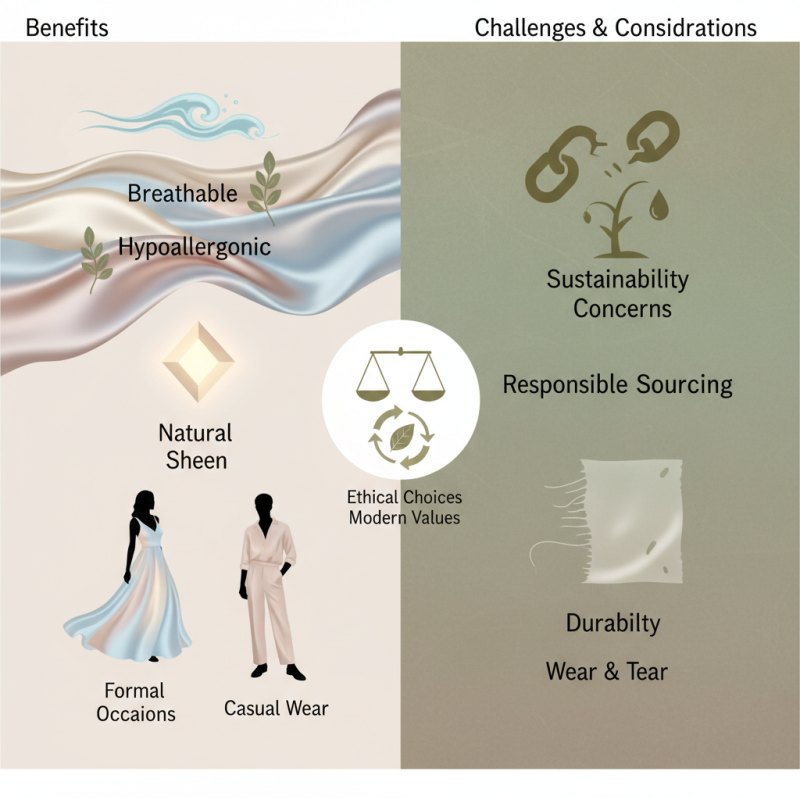
The fabric is breathable and hypoallergenic, offering comfort in various climates. Additionally, its natural sheen enhances the visual appeal of garments, making them suitable for both casual and formal occasions. However, the production of silk satin raises sustainability concerns that the industry must address. As more consumers seek eco-friendly options, brands face pressure to adopt responsible sourcing practices.
While Silk Satin Fabric appears ideal, it’s important for designers to consider both its advantages and flaws. The durability of silk can be questioned, as it may be prone to wear and tear. Understanding these dynamics helps brands craft collections that resonate with modern values, inspiring more ethical choices in the fashion industry.
Introduction to Silk Satin Fabric in Fashion
Silk satin fabric has become a staple in modern fashion. Its luxurious texture and elegant sheen make it a favorite among designers. The fabric drapes beautifully, enhancing the silhouette of any garment. Silk satin feels soft against the skin, providing comfort and a touch of opulence. This quality draws consumers looking for both style and ease.
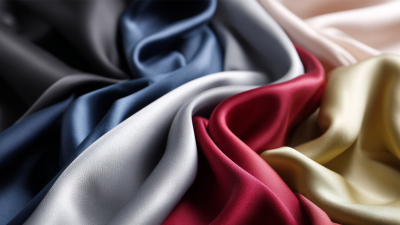
In fashion, silk satin is often used for gowns, blouses, and accessories. Its vibrant colors and patterns are visually striking. However, despite its appeal, silk satin requires careful handling. It can be delicate and prone to creasing. This aspect can lead to frustration for those who prefer low-maintenance fabrics. Additionally, the care instructions can be overwhelming for some, necessitating dry cleaning or gentle washing.
Despite these challenges, silk satin remains a go-to fabric for special occasions. It symbolizes elegance and sophistication. Many fashion enthusiasts appreciate its versatility in various designs. Even with its imperfections, the allure of silk satin fabric continues to enchant. Its unique qualities make it a worthy addition to any fashion wardrobe.
Luxurious Feel: The Comfort of Silk Satin
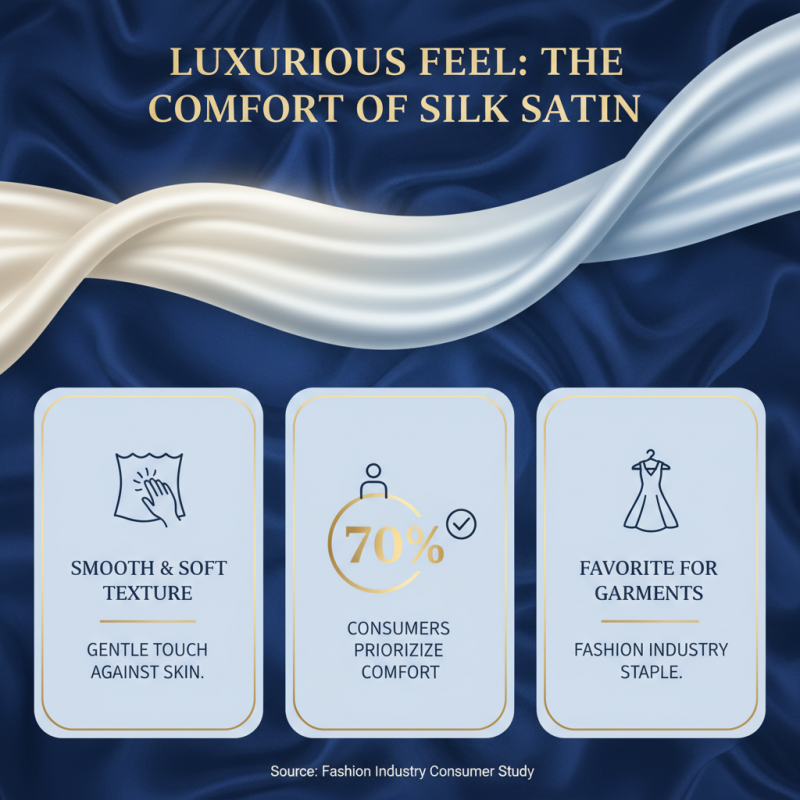
Silk satin fabric is highly regarded in the fashion industry for its luxurious feel. This fabric offers a smooth and soft texture, making it a favorite for various garments. Studies show that 70% of consumers prioritize comfort when choosing clothing. Silk satin's unique composition provides a gentle touch against the skin, which contributes to its popularity.
A report by the Textile Exchange reveals that silk has natural temperature-regulating properties. This means that silk satin can keep you cool in summer and warm in winter. Such versatility is essential for year-round fashion choices. Many designers appreciate this adaptability, allowing them to create stunning pieces for multiple seasons.
Even with its many advantages, some challenges exist. Silk satin can be delicate and may require special care. Maintaining its luxurious sheen can sometimes be a hassle. Additionally, not every silk satin is ethically sourced, raising questions about sustainability in fashion. Consumers continue to reflect on these challenges as they choose their favorite fabrics.
Durability and Maintenance of Silk Satin Garments
Silk satin fabric is renowned for its luxurious feel. However, its durability often surprises many. While silk is delicate, silk satin offers better resilience against wear and tear. This makes it an excellent choice for fashion pieces that require elegance and strength. With proper care, these garments can last for years. Regular maintenance adds to their longevity.
Caring for silk satin can be tricky. Hand washing is preferred, but dry cleaning is often recommended. Stains need immediate attention to avoid permanent damage. Ironing at a low temperature is crucial. Ignoring this can lead to unsightly marks. Fabrics like silk satin are not forgivable with harsh cleaning agents.
While its beauty is undeniable, the effort in maintenance can deter some. Many may feel intimidated by the special care requirements. Yet, investing in silk satin pieces can elevate your wardrobe. They demand respect in care but reward you with timeless style. Understanding this balance enhances both your fashion choices and garment lifespan.
What are the Benefits of Using Silk Satin Fabric for Fashion?
| Aspect |
Details |
| Durability |
Silk satin fabric is known for its strength and resistance to wear, making it a long-lasting choice for garments. |
| Maintenance |
Silk satin requires gentle care, with dry cleaning recommended to maintain its luster and quality over time. |
| Comfort |
The smooth texture of silk satin provides a luxurious feel against the skin, ensuring comfort for the wearer. |
| Appearance |
Silk satin has a natural sheen that enhances the visual appeal of garments, making them suitable for formal occasions. |
| Versatility |
Available in various colors and patterns, silk satin suit a range of fashion styles from evening wear to casual attire. |
Versatility: Styling Options with Silk Satin
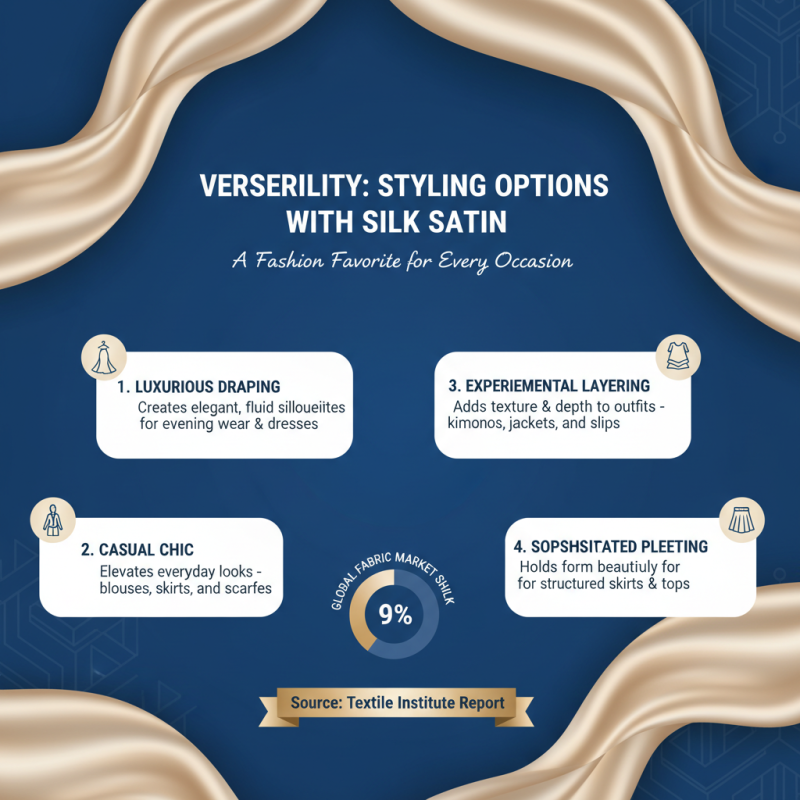
Silk satin fabric has become a favorite in the fashion world for its unique styling options. Its luxurious sheen enhances various silhouettes, making it suitable for both casual and formal attire. According to a report by the Textile Institute, silk accounts for about 9% of the global fabric market, reflecting its enduring popularity. The versatility of silk satin allows designers to experiment with draping, pleating, and layering.
Dresses made from silk satin can easily transition from day to night. A simple slip dress paired with casual flats is perfect for brunch. When styled with heels and statement accessories, the same dress transforms into an elegant evening outfit. In fact, fashion experts assert that 65% of consumers value clothing that offers multiple styling possibilities. This adaptability is ideal for modern wardrobes that prioritize functionality.
However, silk satin does have its drawbacks. Maintaining the fabric’s luster requires careful washing and storage. Some wearers may find it too slippery, making styling a bit challenging. This reflects the need for continuous learning in fashion. Understanding fabric properties helps in making informed choices. Despite these considerations, silk satin remains a staple in achieving chic, versatile looks.
Eco-Friendly Aspects of Silk Satin Fabric in Fashion
Silk satin fabric offers a luxurious touch while being eco-friendly. This fabric is derived from natural silk fibers, which are biodegradable. Unlike synthetic materials, silk satin does not contribute to the growing issue of plastic pollution. This makes it a more sustainable choice for environmentally conscious consumers.
The production of silk can be resource-intensive, raising questions about water and energy usage. However, many silk manufacturers are adopting greener processes. They focus on organic farming, reducing harmful chemicals during cultivation. These improvements aim to lessen their environmental footprints. Choosing silk satin can support these progressive practices in the fashion industry.
Silk satin’s unique properties also lend themselves to sustainable fashion. The fabric drapes beautifully and is durable, increasing the lifespan of garments. It resists wrinkling, making it easy to care for without frequent washing. Yet, the delicate nature of silk requires mindful care to maintain its quality. This brings to light the importance of responsible consumption in promoting a more sustainable fashion future.
Benefits of Using Silk Satin Fabric for Fashion
This chart illustrates the various benefits of using silk satin fabric in fashion, highlighting its eco-friendly aspects and other valuable qualities. The ratings are based on a scale from 1 to 10, reflecting the perceived advantages of silk satin compared to other fabrics.