2026 Best Imitation Linen Fabric for Global Buyers?
As the global market for textile fabrics continues to innovate, "Imitation Linen Fabric" stands out due to its versatility and aesthetic appeal. According to recent industry reports, the demand for imitation linen has skyrocketed by 25% over the past three years, appealing to both manufacturers and consumers seeking sustainable options. Industry expert Dr. Sarah Thompson highlights this trend, stating, "Imitation linen fabric blends luxury and durability, making it a game-changer for today's eco-conscious buyers."
Furthermore, the unique properties of imitation linen have attracted attention from various sectors. Its lightweight texture and breathable nature make it ideal for summer fashion collections. Brands are increasingly adopting this fabric to fulfill consumer preferences for both quality and affordability. However, the market also faces challenges, such as maintaining fabric quality while scaling production. As Dr. Thompson points out, "Navigating quality control in mass production remains a potential pitfall for many manufacturers."
This evolving landscape presents a variety of opportunities and obstacles. Buyers must stay informed about supplier reliability and fabric authenticity to ensure sustainability goals are met. The future of imitation linen fabric is bright but requires careful consideration and commitment to ethical practices.
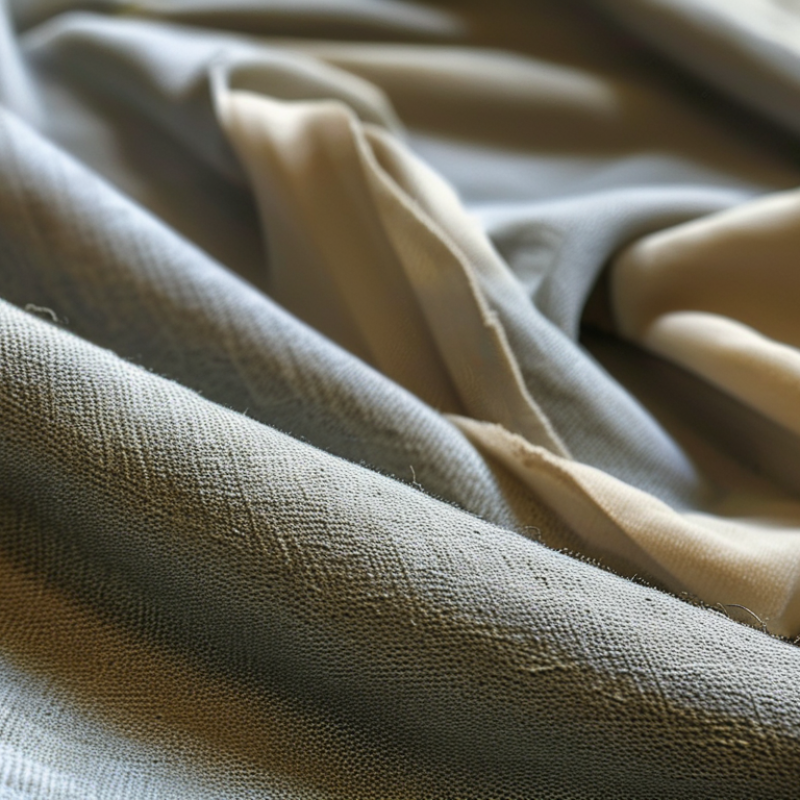
The Rise of Imitation Linen Fabric in the Global Market
The rise of imitation linen fabric in the global market reflects changing consumer preferences. As sustainability becomes more important, this fabric offers an eco-friendly alternative. Made from synthetic fibers, imitation linen mimics the look and feel of traditional linen while being more affordable. Many buyers appreciate its durability and ease of maintenance, making it a popular choice for everyday use.
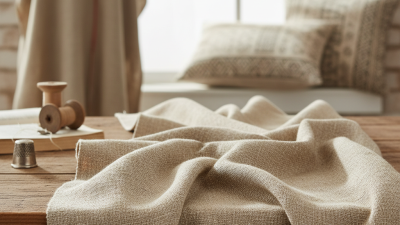
When selecting imitation linen, consider the texture and appearance. Not all fabrics are created equal. Some may appear lifeless or overly shiny. Aim for options that have a soft, natural feel. Look for products that contain a blend of fibers, as this can enhance the overall comfort and aesthetic.
Evaluate your purchasing sources. Reliable suppliers provide superior quality. Customer reviews can offer insights into the fabric's actual performance. Additionally, touch the fabric when possible. It's an essential aspect that sometimes gets overlooked. Embracing a thoughtful approach in your choices can lead to a more satisfying experience with imitation linen.
Key Characteristics of High-Quality Imitation Linen Fabrics
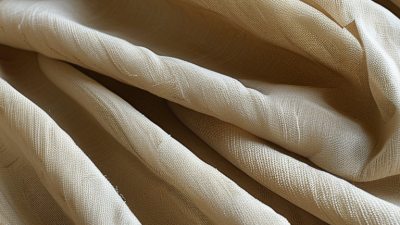
Imitation linen fabric has gained popularity for its unique texture and versatility. When evaluating high-quality imitation linen, consider several key characteristics. First, the fabric's feel and drape are crucial. Quality imitation linen should mimic the softness and natural flow of real linen. It should also have a slight sheen, reflecting light gently without looking synthetic.
Color retention is another important feature. A high-quality imitation linen should resist fading and maintain its vibrancy after multiple washes. Additionally, the durability of the fabric matters. Look for fabrics that withstand wear while remaining comfortable. Some imitation linens lack resilience and can tear easily, which is a reflection on their construction.
Lastly, the breathability of the fabric should not be overlooked. Quality imitation linen should allow air circulation, making it suitable for various climates. It’s essential to be cautious, though; some products may claim to be high-quality but fall short in performance. Inspect the fabric carefully before making decisions. Choosing the right imitation linen can enhance your projects while ensuring they last.
Sustainability Trends Driving Innovation in Imitation Linen Production
The surge in sustainability awareness is reshaping the imitation linen fabric market. Buyers are increasingly demanding eco-friendly materials. This is pushing manufacturers to innovate. New techniques are being developed to reduce waste in production. The focus is on using renewable resources and recycled materials.
Embracing sustainable practices is not straightforward. Many producers still rely on traditional processes. This raises questions about their long-term viability. Innovation must be balanced with practicality. Achieving this balance is crucial for the industry. The transition is gradual, with many bumps along the way.
Sustainable imitation linen can take various forms. Natural fibers blended with synthetic textiles are gaining popularity. These combinations often result in unique textures and durability. Buyers are eager for products that tell a story and reflect their values. The challenge lies in meeting these expectations while remaining cost-effective. This dynamic landscape continues to evolve, driven by consumer demand and environmental responsibility.
Comparative Analysis of Leading Suppliers in the Imitation Linen Industry
The imitation linen fabric market has seen significant growth. Buyers face many choices when selecting suppliers for these fabrics. A comparative analysis reveals critical aspects buyers should consider. The texture and durability of imitation linen differ widely among suppliers. Each provider has unique production methods that can influence the fabric quality.
Quality control processes vary greatly within the industry. Some manufacturers maintain rigorous standards, while others may overlook essential checks. Buyers must assess these processes to ensure they receive reliable products. Price points for imitation linen can be misleading. Lower prices do not always guarantee inferior quality, but they may signal less attention to detail.
Sustainability is becoming increasingly important. Many suppliers strive to implement eco-friendly practices, yet not all achieve their goals. Buyers should inquire about materials and sourcing methods. Transparency is key; understanding where and how fabric is made creates informed decisions. As the industry evolves, remaining vigilant about supplier practices benefits global buyers significantly.
Market Forecast: Growth Projections for Imitation Linen Fabric by 2026
The global market for imitation linen fabric is expected to experience significant growth by 2026. According to a recent market forecast, the demand for such textiles is projected to increase at a compound annual growth rate (CAGR) of approximately 5.2%. This growth is driven by the rising popularity of sustainable and cost-effective textiles among consumers and manufacturers alike. Imitation linen offers the appearance and feel of traditional linen without the higher price tag, making it an attractive option.
Various reports highlight key regions contributing to this expansion. North America and Europe, particularly, show a strong inclination towards eco-friendly fabrics. The market is also seeing advancements in production technology, making imitation linen more durable and versatile. However, challenges persist in obtaining consistent quality, which can affect brands and consumer trust.
Market analysts emphasize the need for companies to focus on innovation and sustainability. The potential for environmental impact reduction is significant. Yet, as manufacturers focus on efficiency, the balance between cost and quality remains a concern. Addressing these challenges may determine the trajectory of imitation linen fabric in the coming years.