2026 Best Recycled Polyester Fabric for Sustainable Fashion?
As sustainable fashion gains traction, understanding the role of Recycled Polyester Fabric becomes crucial. Industry expert Dr. Emily Chen states, "Recycled Polyester Fabric revolutionizes how we approach textile sustainability." This highlights the significance of recycling in the fabric industry.
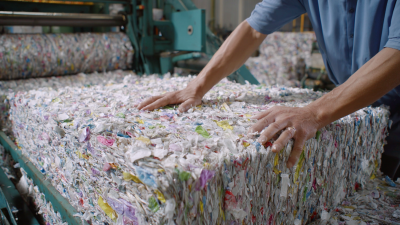
Recycled Polyester Fabric is made from post-consumer plastic bottles and waste. This process helps reduce landfill waste and conserves resources. However, the industry still struggles with educating consumers on its benefits. Many are unaware of how this fabric can contribute to a sustainable wardrobe.
While Recycled Polyester Fabric offers eco-friendly options, challenges remain. The recycling process needs improvement to ensure quality and performance. Additionally, consumers often question the durability and feel of these materials. As we move toward 2026, the focus must shift to refining these aspects while promoting awareness in sustainable fashion.

Understanding Recycled Polyester: Definition and Benefits
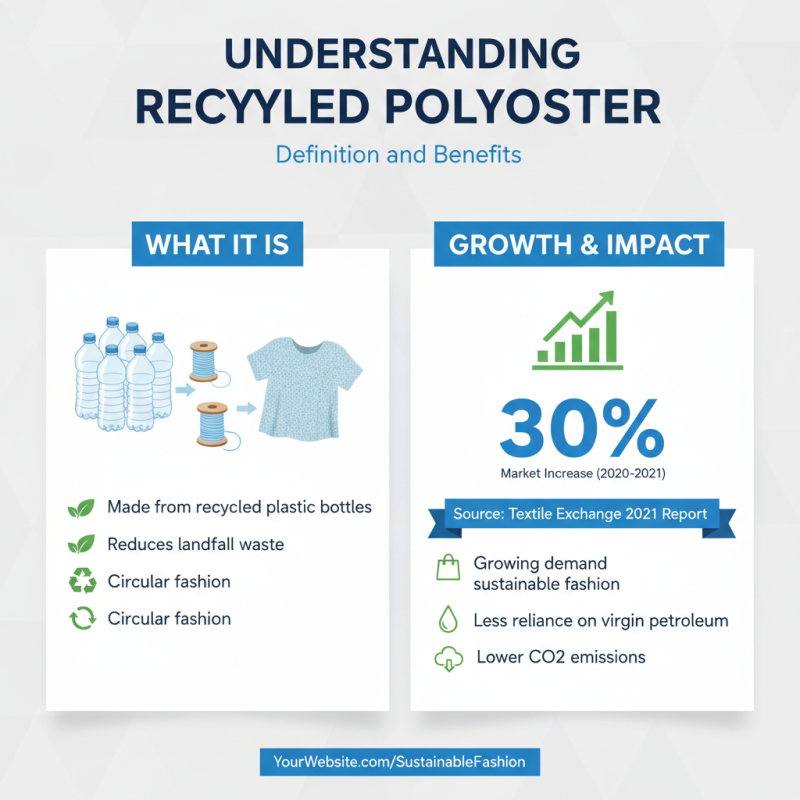
Recycled polyester has gained significant attention in the fashion industry. This fabric is made from recycled plastic bottles, reducing waste in landfills. According to the Textile Exchange's 2021 report, the market for recycled polyester increased by 30% in just one year. This growth highlights the demand for sustainable materials in fashion.
Understanding recycled polyester begins with defining its production process. It involves collecting, cleaning, and processing waste plastics into new fibers. This method conserves energy compared to virgin polyester production, reducing CO2 emissions by up to 70%. Still, challenges exist. The process can release microplastics into the environment. The long-term impacts of these tiny particles are still not fully understood.
The benefits of recycled polyester also extend to resource conservation. For instance, producing one ton of recycled polyester saves approximately 5,100 megajoules of energy, according to the Global Alliance for Sustainable Fashion. However, it's essential to address the quality concerns. Some recycled fabrics may not match the durability of their virgin counterparts. Balancing sustainability with performance remains a topic for ongoing improvement.
The Environmental Impact of Traditional Polyester Production
The environmental impact of traditional polyester production is alarming. This process begins with petroleum extraction, which is energy-intensive and harmful to ecosystems. The extraction contributes significantly to greenhouse gas emissions. Once extracted, the transformation into polyester involves toxic chemicals. These can leach into soil and water, leading to contamination.
Moreover, the production phase consumes vast amounts of water. This creates a strain on local water supplies, particularly in regions already facing water scarcity. The dyeing process adds another layer of environmental stress. Many dyes are not biodegradable and can lead to water pollution. This raises questions about the sustainability of traditional practices.
While recycling polyester presents a solution, it is not without flaws. Recycling processes can still use significant energy, and not all recycled materials are reused efficiently. Awareness and advancements in technology are crucial for improvement. A deeper understanding of these issues helps consumers make informed choices. Reducing reliance on traditional polyester is essential for a more sustainable future.
Key Manufacturers of Recycled Polyester Fabric in 2026
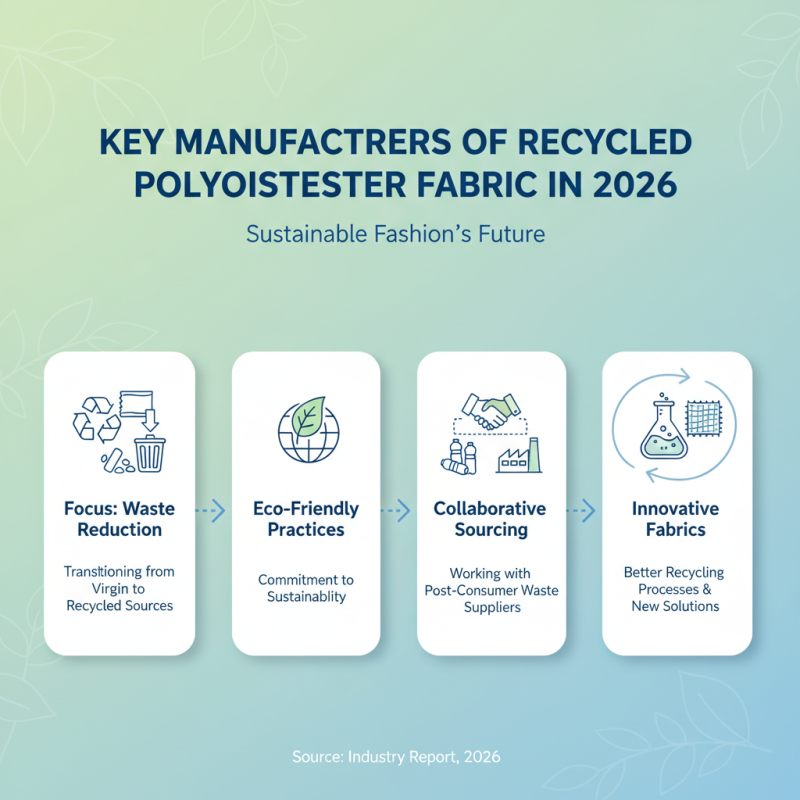
The world of sustainable fashion is evolving rapidly, with recycled polyester fabric taking center stage. Key manufacturers in 2026 are focusing on reducing waste and promoting eco-friendly practices. Many companies are transitioning from virgin polyester to recycled sources, increasing their commitment to sustainability. They work closely with suppliers to source post-consumer waste effectively. This collaborative approach leads to better recycling processes and innovative fabric solutions.
Contracting sustainable fabric production isn’t without challenges. Some manufacturers face difficulties in maintaining quality while using recycled materials. Additionally, the process can be resource-intensive, making it hard to scale up operations. Despite these hurdles, many organizations are investing in research and development. They are exploring new methods to improve the fabric's durability and performance. This ongoing innovation is essential for the future of sustainable textiles.
Awareness of the environmental impact is growing among consumers. They demand transparency in the production process. Manufacturers must address this demand and build trust. Each step taken towards sustainable practices can resonate well with eco-conscious customers. However, there is still a long journey ahead to balance ethics and profit in the industry.
Innovative Technologies in Recycled Polyester Fabric Production
Innovative technologies are transforming the production of recycled polyester fabric. This shift responds to the growing demand for sustainable fashion. According to the "Global Recycled Polyester Market Report 2023," the market is expected to grow by 12% annually through 2026. Such advancements reflect a shift in consumer preferences towards eco-friendly materials.
New processes, such as chemical recycling, allow for greater purity in the final product. This results in fabric quality that rivals virgin polyester. A 2022 study indicated that over 2 million tons of recycled polyester were produced globally, reducing reliance on petroleum-based sources. These initiatives also address the environmental impact of waste. However, the energy consumption during recycling remains a concern.
Not all recycled polyester is created equal. Variations in production methods can lead to inconsistencies in quality. This highlights the ongoing need for transparency within the industry. Future innovations are necessary to enhance both performance and sustainability. More research is essential to balance these factors effectively. The industry must reflect on current methods and improve to meet evolving standards.
2026 Best Recycled Polyester Fabric for Sustainable Fashion
This chart shows the production levels of different recycled polyester fabrics in tons for the year 2026. The data reflects the growing commitment to sustainable fashion and the innovative technologies being applied in recycled polyester fabric production.
Sustainable Fashion Trends: Integrating Recycled Polyester into Designs
Sustainable fashion is becoming increasingly important in today's world. Designers now look at materials like
recycled polyester for their collections. This fabric helps reduce plastic waste while offering versatile design options. It’s made from recycled plastic bottles, cutting down on new resource use.
Integrating recycled polyester into designs presents challenges. The texture and feel can differ from traditional fabrics. While many consumers prefer that luxurious touch, brands can educate them about the benefits.
Recycled polyester can also be dyed in various colors, allowing for creativity in design. However, sourcing high-quality recycled materials remains inconsistent.
The trend is growing, but some issues need attention. Not all recycled polyester is equally sustainable. It’s essential to verify where the materials come from.
Overall, while integrating recycled polyester is a step forward, continuous improvement and awareness are required. This journey in sustainable fashion is ongoing, and every effort counts.