2026 Best Rpet Fabric Options for Sustainable Buyers?
In recent years, sustainable fashion has gained immense popularity. Consumers are increasingly aware of their choices. Among these choices, Rpet fabric stands out for its eco-friendly characteristics. Made from recycled plastic bottles, Rpet fabric offers an innovative solution to reduce waste.
Selecting the right Rpet fabric can be challenging. Various options available in the market differ in quality, texture, and sustainability impact. Buyers often seek fabrics that not only look good but also contribute to environmental conservation. By exploring the best Rpet fabric options for 2026, we can better understand this material's potential and limitations.
As we dive into the choices available, it's crucial to reflect on our purchasing habits. Are we prioritizing style over sustainability? An informed decision can lead to a more sustainable wardrobe. Embracing Rpet fabric is a step toward reducing our carbon footprint, yet it requires thoughtful consideration. Making these eco-conscious choices is essential for a greener future.

The Importance of Recycled PET Fabric in Sustainable Fashion
The fashion industry is undergoing a significant shift toward sustainability.
Recycled PET (rPET) fabric plays a key role in this transformation. Made from recycled plastic bottles, rPET fabric reduces the demand for virgin materials.
This choice conserves resources and minimizes waste in landfills.
The environmental impact is crucial. Every piece of clothing influences the planet.
Choosing rPET doesn’t just benefit the environment; it also supports ethical fashion.
It addresses the plastic pollution crisis. By opting for rPET, consumers contribute to a circular economy.
This means reducing reliance on fossil fuels, which is essential for sustainability. It's important to remember that not all rPET fabrics are created equal.
Some may contain a small percentage of virgin materials. Research is vital here.
Tips: Look for certifications that guarantee the authenticity of rPET fabric.
Labels can sometimes be misleading, so do your homework. Connect with brands that prioritize transparency.
Explore local designers using rPET for unique finds. Engaging with sustainable fashion can seem daunting.
Start slow and learn as you go. Your choices matter.
Top Trends in Rpet Fabric for Eco-Conscious Consumers
In recent years, RPET fabric has gained traction among eco-conscious consumers seeking sustainable choices. According to a 2023 report from the Textile Exchange, the global RPET market is projected to reach $18 billion by 2026. This reflects a growing commitment to recycling plastic and reducing environmental impact. Consumers are now more aware of their textile choices, opting for materials that contribute to a circular economy.
Among the latest trends, innovative designs are emerging in RPET fabric. Some manufacturers are incorporating vibrant colors and patterns, showcasing the versatility of recycled materials. It’s noteworthy that while RPET is an excellent alternative to virgin plastics, challenges remain. The recycling process may compromise durability and texture compared to traditional fabrics. This calls for continued innovation in recycling technologies.
Additionally, transparency in sourcing is becoming crucial. A survey revealed that 65% of consumers want clarity on the origins of their fabrics. This demand for traceability urges brands to be accountable. However, not all producers are ready to meet these expectations. Ethical practices and environmental impact assessments become vital in ensuring that RPET options are genuinely sustainable. Addressing these complexities can further empower consumers in their choices.
2026 Best Rpet Fabric Options for Sustainable Buyers
| Fabric Type |
Recycled Content (%) |
Certifications |
Applications |
Durability Rating (1-5) |
| Eco-Friendly Polyester |
100% |
GOTS, OEKO-TEX |
Apparel, Home Textiles |
4 |
| Recycled Cotton Blend |
80% |
Fair Trade, GRS |
Fashion, Bags |
3 |
| RPET Canvas |
90% |
ISO 14001 |
Bags, Outdoor Gear |
4 |
| Recycled Nylon (Rnylon) |
75% |
RCS, GRS |
Activewear, Swimwear |
5 |
| Sustainable Fleece |
90% |
Oeko-Tex, Bluesign |
Outerwear, Athletic Gear |
4 |
Key Characteristics of Quality Rpet Fabrics
When selecting rPET fabrics, consider essential characteristics that define quality and sustainability. Recycled PET, or rPET, is derived from used plastic bottles. This process reduces waste and lowers environmental impact. Quality rPET fabrics are not only eco-friendly but also durable. They maintain their integrity through multiple washes and wear cycles.
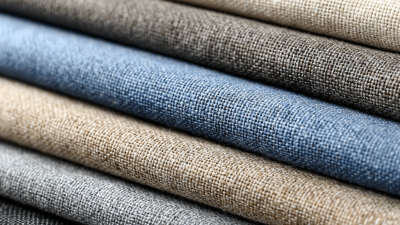
Look for fabrics with a soft texture. Quality rPET often mimics the feel of virgin polyester, providing comfort in daily wear. Pay attention to the weaving and finishing processes. High-quality rPET fabrics feature tight weaves and smooth finishes, enhancing both durability and aesthetic appeal. This attention to detail matters for long-lasting products.
Tips: Before purchasing, check for certifications like Global Recycle Standard. This ensures the material is genuinely recycled and sustainably processed. However, be cautious about claims. Some products might highlight eco-friendliness but lack transparency. Engage with suppliers to learn about their sourcing and production methods. It’s crucial to look beyond the label for authenticity.
Comparative Analysis of Popular Rpet Fabric Brands
In recent years, the demand for recycled PET (rPET) fabrics has surged. This shift is largely due to environmental concerns. According to the Textile Exchange, the global market for rPET is projected to grow by 20% annually. This reflects a growing awareness of sustainability among consumers and brands alike.
When comparing popular rPET fabric options, several key factors come into play. Firstly, versatility in applications can vary. Some fabrics excel in activewear, while others are better suited for home textiles. Performance levels also differ; moisture-wicking capabilities and breathability are crucial for athleisure. Yet, not all brands meet these standards consistently, leading to varying customer satisfaction.
Another important aspect is the transparency in sourcing. Many brands claim to use recycled materials, yet the percentage of rPET can remain unclear. For instance, a report from the Global Recycling Foundation highlighted that *only 8% of plastic waste is recycled into fabrics*. This raises questions about the authenticity of some fabric claims. Sustainable buyers need to dig deeper to make informed choices.
Future Innovations in Rpet Fabric Technology
The future of RPET (Recycled Polyethylene Terephthalate) fabric technology is promising. With rapid advancements, the industry aims to reduce waste and environmental impact significantly. Reports indicate that by 2025, the global RPET market could reach $10 billion, driven by increasing sustainability initiatives.
Recent innovations focus on improving the quality of RPET fibers. Enhanced textile processes enable better durability and softness in fabrics. Studies show that these innovations can cut energy consumption by up to 30%. This is crucial as the fashion industry continues to face scrutiny over its carbon footprint. However, challenges remain in scaling up these technologies for widespread use.
Furthermore, recycling advancements are a double-edged sword. While the recycling rate for PET bottles hit 29% in 2022, only a fraction is converted into high-quality fabrics. This raises questions about the lifecycle of materials and consumer responsibility. Addressing these issues will require cooperation across the supply chain. Only through collective efforts can we truly harness the potential of RPET fabrics for a sustainable future.
2026 Best Rpet Fabric Options for Sustainable Buyers