How to Choose the Best Yarn Dyed Fabric for Your Projects?
Choosing the right Yarn Dyed Fabric can transform your sewing projects. This fabric type offers vibrant colors that are woven into the yarn, not just printed on the surface. The result is a rich, textured look that lasts through washes and wear.
Consider the specific project you have in mind. For example, a lightweight, breathable cotton yarn dyed fabric is ideal for summer dresses. Alternatively, a heavier option works well for cozy winter garments. Texture matters too. Some pieces feel silky, while others boast a rustic touch. Pay attention to this when selecting.
However, not all yarn dyed fabrics are created equal. Some may fade over time or lose their shape after washing. Research is key. Check reviews and test swatches. By being mindful, you can avoid common pitfalls and choose the best yarn dyed fabric for your needs. Embrace the imperfections and learning curve that comes with sewing.
Understanding Yarn Dyed Fabric: Benefits and Uses in Various Projects
Yarn dyed fabric is a popular choice for many projects. Understanding its benefits is key to making the right decision. Its vibrant colors come from dyeing the yarn before weaving, resulting in rich textures. This process makes the colors last longer and resist fading. The result is fabric that looks stunning and stands up to wear.
One major use for yarn dyed fabric is in clothing. It adds depth to garments, making them visually appealing. Quilters also appreciate this fabric for its strong patterns. However, it can be challenging to match colors across different batches. It’s vital to buy enough fabric at once. This prevents color discrepancies that can ruin a project.
Yarn dyed fabric works well in home decor too. Think window treatments or decorative pillows. These projects allow for creativity while showcasing the fabric's qualities. Sometimes, the texture may frustrate beginners. Understanding how to sew with it requires practice. So, experimenting with various techniques is essential for success. Your skill will improve with each attempt.
Key Factors to Consider When Choosing Yarn Dyed Fabrics
When choosing the best yarn dyed fabric, several key factors come into play. The type of yarn used is essential. Natural fibers like cotton or linen often provide a softer touch. Synthetics can offer durability and vibrant colors. It’s vital to consider how the fabric will behave over time. Will it fade? Will it shrink?
Texture is another important aspect. Some yarn dyed fabrics feel smooth against the skin, while others can be coarse. This can greatly impact your final product. Think about the project and who will wear it. A soft touch might be more suitable for clothing, while a sturdier texture may work for home decor.
Tips: Always test a small swatch before fully committing. Washing and drying samples can reveal how the fabric reacts. Color consistency is also crucial. Variations may occur in different dye lots, leading to unexpected surprises. Consider these factors carefully. A thoughtful choice will enhance your project.
How to Choose the Best Yarn Dyed Fabric for Your Projects?
| Fabric Type |
Material Composition |
Weight (gsm) |
Best Use |
Care Instructions |
| Cotton Yarn Dyed |
100% Cotton |
150 |
T-Shirts, Dresses |
Machine washable |
| Linen Yarn Dyed |
100% Linen |
180 |
Shirts, Home Decor |
Hand wash recommended |
| Wool Yarn Dyed |
100% Wool |
200 |
Sweaters, Scarves |
Dry clean only |
| Polyester Yarn Dyed |
100% Polyester |
120 |
Activewear, Lining |
Machine washable |
| Silk Yarn Dyed |
100% Silk |
90 |
Luxury Garments, Scarves |
Dry clean only |
Types of Yarn Dyed Fabrics: An Overview of Patterns and Weaves
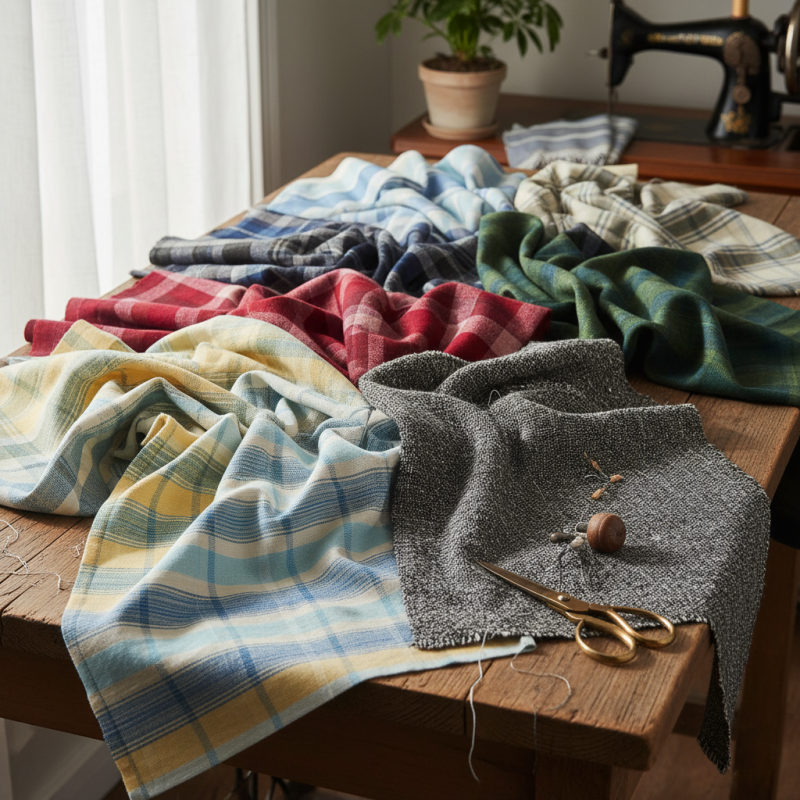
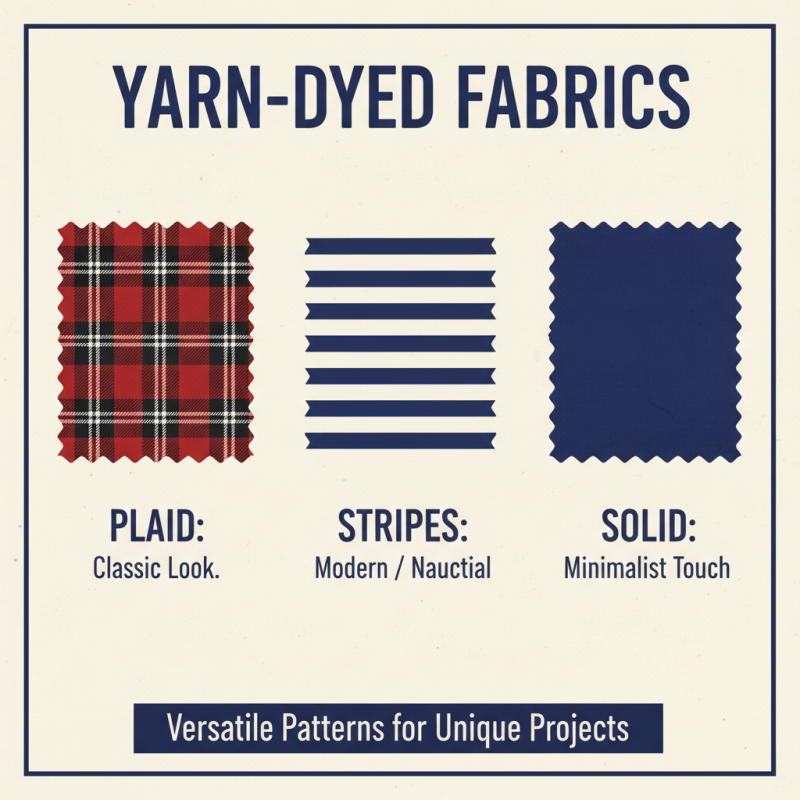
Yarn dyed fabrics offer a wide range of patterns and weaves, making them versatile for various projects. The common types include plaid, striped, and solid patterns. Each brings a unique charm. Plaid offers a classic look. Stripes can appear modern or nautical. Solid colors provide a minimalistic touch. Choosing the right type for your project matters.
Let's dive deeper into the weaves. Twill weave creates diagonal lines. It’s thick and durable. This makes it great for structured garments. On the other hand, satin weave has a smooth finish. It often feels luxurious and is perfect for evening wear. Each weave has its benefits and drawbacks. Sometimes, the drape may not meet your expectations. It's essential to test swatches before committing.
When exploring yarn dyed fabrics, consider your project's final use. Weight and texture can impact the look and feel. Fabrics can surprise you. They may look different when sewn compared to flat. So, take notes. Experimenting with various patterns and weaves can lead to unexpected outcomes. This process might challenge your initial vision, but it can inspire creativity.
Evaluating Colorfastness and Durability in Yarn Dyed Materials
When selecting yarn dyed fabrics, evaluating colorfastness is crucial. Colorfastness can vary widely based on dye type and fabric composition. According to a recent study by the Textile Institute, over 30% of consumers noted fading issues after only a few washes. Fabrics that retain color integrity often use reactive dyes, which bond better with the fibers. This results in vibrant hues that withstand washing.
Durability is another essential factor. Research indicates that yarn dyed fabrics are generally more durable than printed alternatives. The same Textile Institute study reveals that 70% of professionals recommend yarn dyed materials for items subjected to heavy wear. However, not all yarn dyed fabrics meet high durability standards. The weave, fiber type, and dyeing methods can significantly affect the overall lifespan. It's essential to test your chosen fabric under various conditions to understand its limits.
Consider the end-use of your project. If it’s for everyday wear, prioritize fabrics that showcase both colorfastness and durability. Sometimes, aesthetics might overpower practical concerns, leading to disappointment later on. Balancing looks with function can be tricky. Investing time in selecting the right materials will ultimately enhance your projects.
Comparing Cost and Quality: How to Maximize Your Budget for Fabrics
When it comes to selecting yarn dyed fabric, cost and quality matter significantly. Many assume that higher prices guarantee better quality, but this is not always the case. It's essential to understand the fabric content and the dyeing process. Some fabrics may look appealing but lack durability. A closer inspection of the weave and weight will reveal more about the fabric's longevity.
Budget-conscious crafters often face tough choices. You can still find quality fabric without overspending. Look for seasonal sales or clearance sections in fabric stores. Online marketplaces can also offer hidden gems at lower prices. It’s a good idea to compare different sources before making a decision. Yet, remember that cheaper options might come with compromises. Sometimes, a bargain fabric may fray easily or lose color over time.
When choosing your fabric, think about your project needs. If it is a garment, softness and breathability should be priorities. For home decor, durability might take precedence. The decision process isn't straightforward. Misjudging the fabric can lead to regrets later. Always ask questions and seek samples if possible. Understanding your fabric choices can truly enhance your crafting experience.