2025 How to Choose the Best Micro Fabric for Your Project
When embarking on a project that requires the perfect fabric choice, understanding the intricacies of Micro Fabric becomes crucial. According to renowned textile expert Dr. Emily Windsor, "The versatility and unique properties of Micro Fabric make it an excellent choice for a wide range of applications, from fashion to upholstery." This innovative material, renowned for its softness, durability, and lightweight nature, can transform a project when selected wisely.
In the ever-evolving world of textiles, Micro Fabric stands out not just for its aesthetic appeal, but also for its functional benefits. Whether you are designing a sleek garment or creating a durable outdoor product, knowing how to choose the right type of Micro Fabric can significantly impact the quality and success of your final outcome. As we delve into the details of selecting the best Micro Fabric for your project, we're set to explore essential considerations, such as fabric composition, texture, and intended use, all of which play a fundamental role in achieving the desired results.

Understanding Micro Fabric: Types and Characteristics
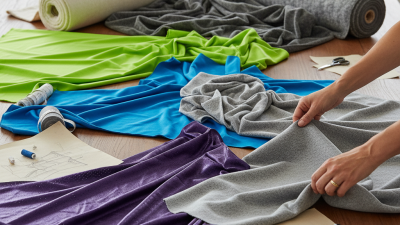
Micro fabrics are increasingly popular across various projects due to their versatility and unique characteristics. These fabrics are typically synthetic, composed of finely woven fibers that are softer and lighter than traditional fabrics. One of the most recognized types of micro fabric is microfiber, which is known for its exceptional softness, durability, and ability to wick moisture away from the skin. Another type is micro suede, which mimics the look and feel of real suede while being more affordable and easier to maintain. Each type of micro fabric brings its own set of characteristics, making it essential to select the right one for your specific project requirements.
When choosing micro fabric, consider the fabric’s weight and texture. Lighter micro fabrics are ideal for summer apparel or linings, while heavier variants serve well for outerwear or upholstery. Additionally, pay attention to the breathability of the fabric, especially for clothing intended for active use, as this can impact comfort during wear.
Tips: Always check the fabric’s care instructions before making a purchase. Some micro fabrics require special cleaning methods to maintain their appearance. Furthermore, test a small swatch for colorfastness and durability if the fabric will undergo heavy use. By focusing on these characteristics and tips, you can confidently select the best micro fabric tailored to your project needs.
Key Factors to Consider When Choosing Micro Fabric
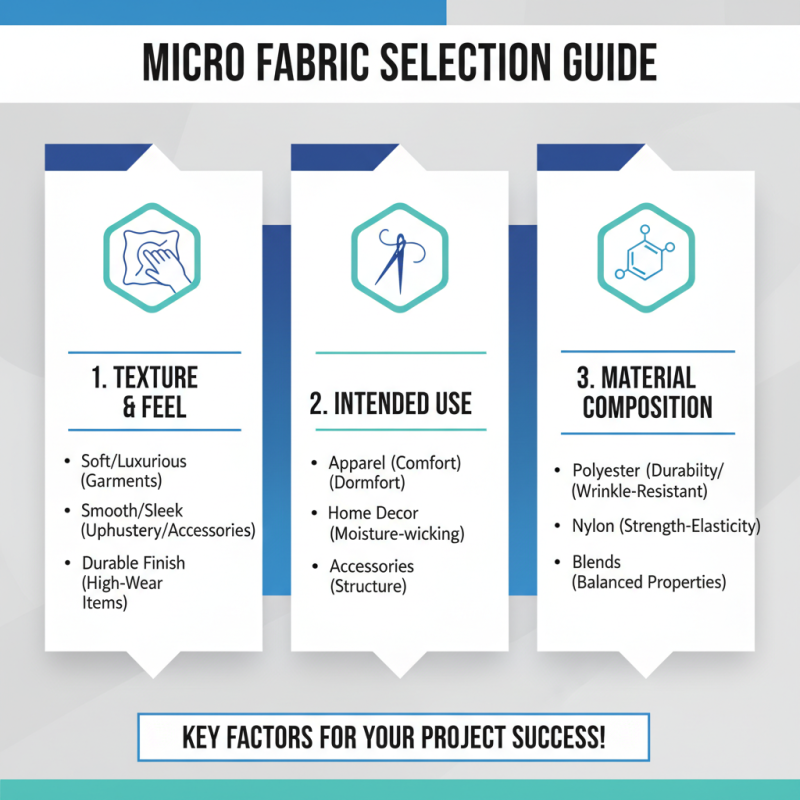
When choosing micro fabric for your project, there are several key factors to consider that can greatly impact your overall satisfaction with the final product. First and foremost, you should evaluate the fabric's texture and feel. Micro fabrics come in various textures, ranging from soft and luxurious to smooth and sleek. Consider the intended use of the fabric. For garments, a softer texture may be preferable, while for upholstery or accessories, a more durable finish might be required.
Another crucial aspect is the weight of the fabric. Heavier micro fabrics typically offer greater durability and insulation, making them suitable for outerwear and heavy textiles. Lighter options, on the other hand, are ideal for layering or applications where breathability is essential. Always think about the climate and setting in which the fabric will be used, as this can affect comfort and performance.
**Tips:** When testing micro fabrics, hold them up to the light to assess transparency and check for any imperfections. This simple step can help identify any inconsistencies that may affect your project. Additionally, always request samples before making a large purchase to ensure the fabric meets your specific needs and expectations. Finally, consider the ease of care; fabrics that are machine washable and stain-resistant can save time and effort in maintenance.
Applications of Micro Fabric in Various Projects
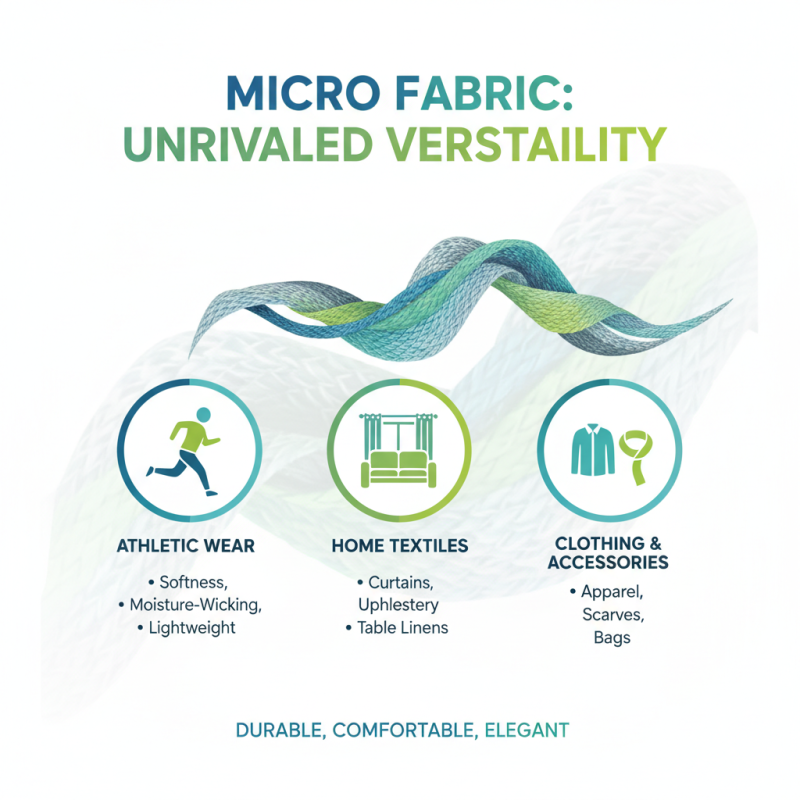
Micro fabric is an incredibly versatile material that finds applications across various projects due to its unique properties, including softness, durability, and moisture-wicking capabilities. One of the most common uses of micro fabric is in the textile industry, particularly for clothing and accessories. Its lightweight nature makes it ideal for athletic wear, ensuring comfort and performance during workouts. Additionally, micro fabric is frequently used in home textiles such as curtains, upholstery, and table linens, where its elegant texture adds a modern touch while still being easy to maintain.
When considering micro fabric for your project, it's essential to keep certain tips in mind. First, assess the purpose of your project. If durability is paramount, opt for a denser weave that can withstand wear and tear. For projects requiring breathability, such as activewear or bedding, lighter weights with moisture-wicking properties will be more suitable. Moreover, don’t overlook the importance of color and pattern in your design choices; micro fabric offers vibrant colors and custom prints that can enhance the aesthetic of your final product.
Another vital aspect is how to care for micro fabric items. Most micro fabrics are machine washable and quick-drying, making them practical for everyday use. However, always check the care instructions, as specific types may require special handling to maintain their features. By keeping these tips in mind, you can effectively choose micro fabric that enhances the functionality and appeal of your project.
Comparing Quality and Durability of Micro Fabrics
When selecting the best micro fabric for your project, understanding the quality and durability of different options is paramount. Micro fabrics are known for their lightweight and soft texture, making them a popular choice in various applications, from clothing to upholstery. According to a 2022 report by the Textiles and Apparel Research Institute, the market for micro fabrics is projected to grow by 6.5% annually over the next five years, driven by their increasing adoption in diverse industries. This growth underscores the importance of evaluating the characteristics that define quality and longevity in micro fabrics.
Quality in micro fabrics is often assessed based on several criteria, including fiber content, weave density, and finish. High-quality micro fabrics typically feature polyester or nylon blends, which offer enhanced durability and resistance to wear and tear. The American Fabric Manufacturers Association indicates that micro fabrics with a denier rating between 75 and 210 provide the ideal balance between lightweight properties and robustness. Additionally, durability can be measured by the fabric's ability to withstand abrasion, which is crucial in high-use applications. Fabrics that achieve an abrasion resistance rating above 50,000 cycles on the Martindale scale are considered exceptionally durable, making them suitable for long-lasting products. Understanding these metrics allows designers and consumers to select fabrics that not only meet aesthetic demands but also ensure sustainability through durability.
Comparison of Micro Fabric Quality and Durability
Care and Maintenance for Long-lasting Micro Fabric Use
Micro fabrics are known for their exceptional softness and durability, making them a popular choice for various projects, from upholstery to clothing. However, to ensure the longevity of your micro fabric items, proper care and maintenance are essential. Regular cleaning is key; using a gentle detergent and avoiding harsh chemicals will help preserve the fabric’s integrity and color vibrancy. It's also advisable to wash micro fabrics using cold water and a delicate cycle to prevent any damage during laundering.
In addition to regular cleaning, storing micro fabric items correctly is crucial. Make sure to keep them in a cool, dry place away from direct sunlight to avoid fading. If you need to store items for an extended period, consider using breathable storage bags instead of plastic, which can trap moisture and lead to mildew. Finally, be cautious when dealing with spills and stains; blotting immediately with a clean cloth will prevent the stain from setting in, ensuring your micro fabric stays looking fresh and new for years to come.
2025 How to Choose the Best Micro Fabric for Your Project - Care and Maintenance for Long-lasting Micro Fabric Use
| Fabric Type |
Best Use Cases |
Care Instructions |
Durability Rating |
Maintenance Tips |
| Microfiber |
Upholstery, Cleaning Cloths |
Machine wash cold, tumble dry low |
High |
Avoid fabric softeners; air dry to maintain softness |
| Luxury Microfleece |
Blankets, Throws |
Hand wash or delicate cycle, no bleach |
Medium |
Store in a cool, dry place to prevent mildew |
| Micro Suede |
Clothing, Accessories |
Spot clean with mild detergent |
High |
Use a lint roller to remove dust and lint |
| Microfiber Toweling |
Bath Mats, Towels |
Wash separately, warm water |
Medium |
Do not overload dryer to prevent clumping |