How to Choose the Best Recycled Polyester Fabric for Your Needs?
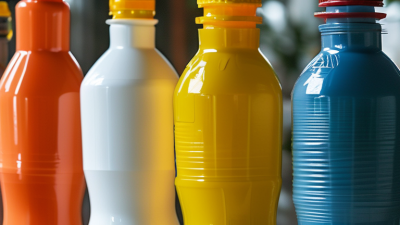
When it comes to sustainable fashion, choosing the right Recycled Polyester Fabric is crucial. The global market for recycled polyester is experiencing rapid growth. According to a 2021 report by Grand View Research, the market is expected to reach $12.89 billion by 2028. This fabric, derived from recycled plastic bottles and textiles, reduces landfill waste and conserves resources.
Industry expert Dr. Jane Smith states, "Selecting quality Recycled Polyester Fabric can significantly reduce environmental impact." Her words highlight the importance of making informed choices. Not all recycled fabrics are created equal. Some may not meet durability or performance standards. Buyers need to consider various factors, such as fabric weight, texture, and manufacturing processes.
Navigating this market can be challenging. Many options exist, and distinguishing between brands can be overwhelming. It's essential to research suppliers’ certifications and sustainability practices. The journey of finding the perfect Recycled Polyester Fabric requires both patience and thoughtfulness. Understanding the fabric’s impact on the environment and society is essential for making conscious decisions.
Understanding Recycled Polyester: Features and Benefits
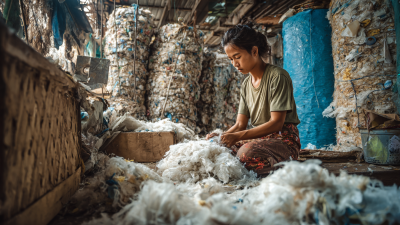
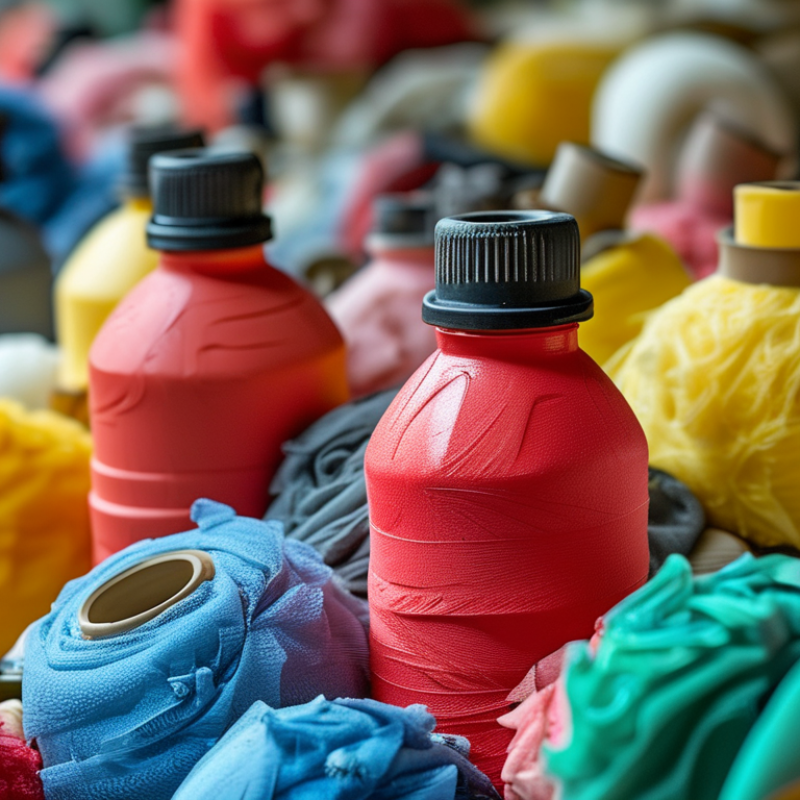
Recycled polyester offers a sustainable alternative to conventional fabrics. It is made from post-consumer plastic waste, such as bottles and containers. This process not only diverts waste from landfills but also reduces the need for new petroleum products. The result is a fabric that significantly decreases environmental impact while delivering high performance.
One of the standout features of recycled polyester is its durability. It resists shrinking, stretching, and fading, making it suitable for various applications. However, not all recycled polyester is created equal. Some products may still contain traces of harmful chemicals or lack the desired breathability. Careful selection is essential to ensure safety and comfort in your projects.
Additionally, the texture can vary widely. Some recycled polyester feels soft and luxurious, while others may have a rough finish. This inconsistency can affect the overall aesthetic and function of the final product. Always seek samples before committing to a bulk order. Understanding these nuances can help you make an informed choice that aligns with your sustainability goals.
Identifying Different Types of Recycled Polyester Fabrics
Recycled polyester fabrics come in various types, each suited for different needs. Understanding these variations will help you make informed choices. Common types include rPET, which is made from recycled PET bottles, and blends that incorporate organic materials. Both options are eco-friendly but perform differently.
Tips: Always check the fabric’s source. Ask about the recycling process. This will ensure you choose a high-quality fabric.
Another type is RPET fleece. It offers excellent insulation and is great for activewear. While cozy, its environmental impact can vary. Some manufacturers use less harmful dyes. Researching their methods can be crucial.
Tips: Look for certifications when selecting fabrics. Certifications can indicate the sustainability and safety of the material.
You may also encounter performance recycled polyester fabrics. These are engineered for durability and moisture-wicking. They are often used in athletic apparel but may have a higher carbon footprint. Testing the fabric's feel and performance can provide insights into quality.
Evaluating Quality: Key Factors to Look for in Recycled Polyester
When evaluating recycled polyester fabric, several key factors come into play. The first aspect to consider is the fabric's weight and thickness. Lighter fabrics are often suitable for summer clothing, while thicker options work well for winter wear. Test the fabric by holding it up to the light; you should see no unevenness in the weave. This uniformity indicates a higher quality fabric.
Another crucial factor is the feel of the fabric. It should be soft yet durable. Rubbing the fabric against your skin can help determine its comfort level. A fabric that feels scratchy may not be the best choice for clothing worn close to the skin. Pay attention to any fabric pilling, which is an indicator of lower quality materials.
Tips:
- Always check for certifications that indicate the fabric is indeed recycled.
- Perform a stretch test; quality fabric should retain its shape after stretching.
- Consider the fabric's care requirements, as some recycled polyester may need special washing methods.
Evaluating the colorfastness is important as well. Fabrics that fade with washing may not hold up over time. Additionally, ensure that the dyeing process aligns with eco-friendly standards. This reinforces your commitment to sustainable fashion while ensuring the quality of your choice.
Sourcing Recycled Polyester: Where to Find the Best Options
When sourcing recycled polyester, knowing where to find the best options is crucial. The global market for recycled polyester is growing rapidly, projected to reach $20 billion by 2025. This growth signifies an increase in demand for sustainable textiles. Many manufacturers now offer recycled polyester fabrics derived from post-consumer waste like plastic bottles. This transition helps reduce the impact on landfills and conserves resources.
Finding reliable suppliers is essential. Look for companies that provide transparency about their materials and sourcing. Certifications such as Global Recycled Standard (GRS) indicate verified recycled materials. In 2022, only 14% of polyester produced worldwide was recycled. This highlights the importance of supporting businesses that prioritize sustainability. Engage with industry reports, which often reveal valuable data on supplier performance and material quality.
Networking with industry professionals can also yield insights. Conferences and trade shows often feature exhibitors dedicated to eco-friendly textiles. Forums and online communities provide platforms for sharing experiences. These interactions can guide you toward reputable suppliers and innovative fabric options. Remember, while many choices exist, critical evaluation is necessary to ensure genuineness and quality. Choosing the right recycled polyester fabric takes time and research, but the benefits are substantial.
Sustainability Considerations in Choosing Recycled Polyester Fabrics
When choosing recycled polyester fabrics, sustainability is a vital consideration. According to the Textile Exchange, the global recycled polyester market is projected to reach 3 million tons by 2025, driven by increasing eco-conscious consumer demand. This fabric significantly reduces carbon emissions—by up to 32% compared to virgin polyester. Such data emphasizes the importance of seeking fabrics that do not only claim to be recycled but can also demonstrate lower environmental impacts.
Consider that not all recycled polyester is created equal. The quality of the fabric depends on its source materials and the recycling process. Some recycled polyester is derived from post-consumer waste, while others come from industrial waste. The former often has a lower environmental footprint. However, it's crucial to verify the authenticity of the claims. Look for third-party certifications like Global Recycled Standard or OEKO-TEX to ensure that the fabric meets sustainability criteria.
Tips: Prioritize fabrics that are transparent about their origins. Research manufacturers’ sustainability practices. Assess whether they conduct life cycle assessments to highlight their environmental efforts. Keep in mind that recycling technologies are still evolving, and some fabrics may still include additives that affect biodegradability. Reflecting on these aspects can lead to more informed choices in your fabric selection.
Recycled Polyester Fabric Sustainability Metrics