How to Choose the Best Yarn Dyed Fabric for Your Projects?
Choosing the right yarn dyed fabric can greatly enhance your projects. The versatility of these fabrics offers endless possibilities for designers and crafters alike. According to a report by Market Research Future, the global fabric dyeing market is expected to grow by 3.5% annually. This highlights the demand for quality dye techniques like yarn dyeing.
Yarn dyed fabric is produced by dyeing the yarn before weaving. This method allows colors to penetrate deeply, leading to vibrant, lasting shades. However, not all yarn dyed fabrics are created equal. Quality can vary significantly based on the source and dyeing process. It’s essential to consider factors such as fiber content and durability.
While many opt for popular brands, it’s crucial to research carefully. Consumer reports often reveal inconsistencies in quality between batches. This reinforces the need for attention to detail when selecting yarn dyed fabrics. Understanding these nuances can lead to better choices, ensuring that your projects truly stand out.
Understanding Yarn Dyed Fabric: Definition and Characteristics
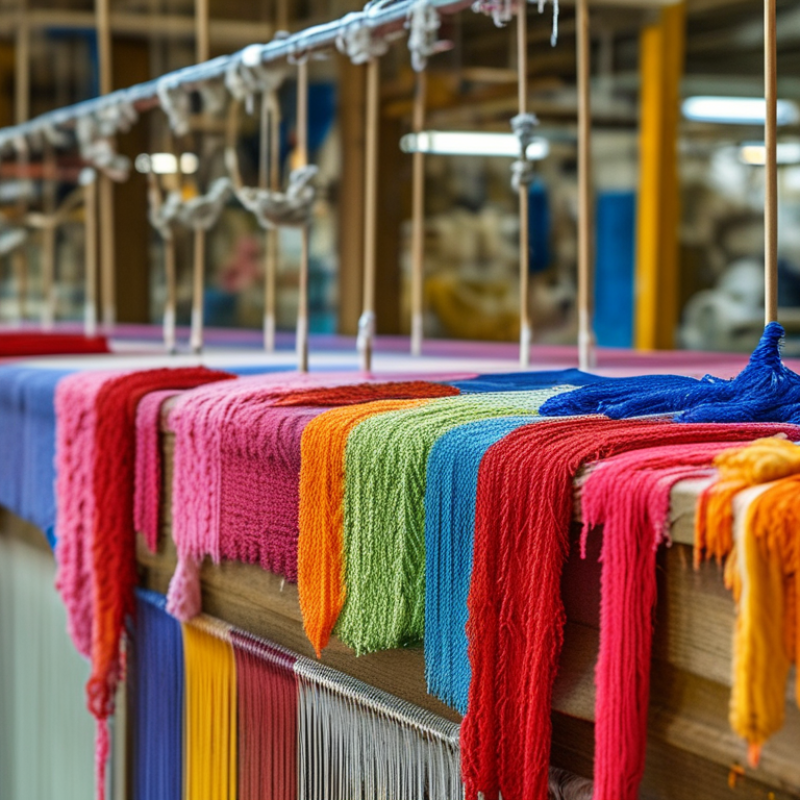
Yarn dyed fabric is a popular choice among crafters. It is made by dyeing the yarn before weaving or knitting. This process creates vibrant colors and unique patterns. The dyeing technique allows for better colorfastness and longevity. Many textile artists prefer this fabric, as it provides depth and complexity to their projects.
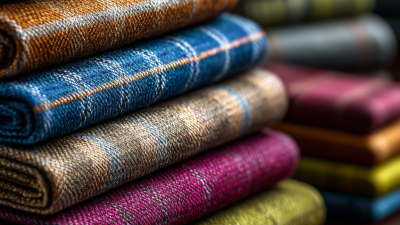
The characteristics of yarn dyed fabric are distinct. It offers rich color variations, making each piece unique. The fabric can react differently depending on the lighting and angle. This unpredictability can be a double-edged sword. While it enhances creativity, it may not always align with the original vision. Additionally, yarn dyed fabrics can drape differently compared to other fabrics. This can affect the final look of a garment or project. Being aware of these factors can guide your selection process.
Crafting with yarn dyed fabric requires thoughtful consideration. Understanding the characteristics helps you make informed choices. If you’re unsure about a particular fabric, testing a swatch is beneficial. It allows you to see how the yarn behaves in your specific project. Embracing this material’s unpredictability can lead to surprising, beautiful outcomes. It enhances your craft, making the entire process more engaging.
Exploring Different Types of Yarn Dyed Fabrics and Their Uses
Yarn dyed fabrics are popular among crafters and designers. Choosing the right type can affect your project significantly. Different types serve various purposes in fashion and home décor.
One common type is chambray, known for its lightweight and breathable qualities. It’s often used in shirts and summer dresses. According to industry reports, chambray continues to grow in popularity, with a 15% increase in usage among textile manufacturers over the past two years. Its fine texture and soft feel make it appealing for everyday wear.
On the other hand, twill fabrics offer a different advantage. They are known for their durability and a unique diagonal rib pattern. This makes them suitable for heavier garments and upholstery. A study revealed that twill fabrics contribute to a growing segment, accounting for 20% of the market share in home textiles. However, twill can feel stiff initially, making it essential to consider washing and softening techniques before use.
Understanding the characteristics of each fabric type is crucial. Each has strengths and weaknesses, which can influence your final result. Consider how the fabric interacts with your design to make informed choices.
Factors to Consider When Choosing Yarn Dyed Fabric for Your Project
When selecting yarn dyed fabric, several factors demand attention. The first consideration is the fabric's fiber content. Cotton, linen, and wool possess different textures and qualities. Cotton, for example, offers breathability. Meanwhile, wool retains warmth. According to the Textile Exchange, 75% of consumers prefer natural fibers for sustainable projects. Therefore, the choice of fiber is paramount.
Colorfastness is another vital factor. How well does the fabric hold color? This can impact the longevity of your project. Poor colorfastness may lead to fading after washing. The American Association of Textile Chemists and Colorists reports that about 30% of dyed fabrics experience color loss. This statistic reveals the importance of testing fabric samples before committing to a larger purchase.
Texture plays a crucial role in your project's final appearance. A smooth, even texture provides a polished look. Alternatively, textured fabrics can add depth. However, the texture must align with the intended use of the fabric. For example, a heavy texture may work well for upholstery but not for apparel. Evaluating these factors ensures that your yarn dyed fabric meets the project's needs.
Evaluating Fabric Quality: What to Look for in Yarn Dyed Fabrics
When selecting yarn dyed fabrics, fabric quality is critical. You need to assess several aspects to ensure you choose the right material for your projects. The feel of the fabric is paramount. High-quality yarn dyed fabrics should feel soft and have a pleasant texture. If the fabric feels rough or irritating, it may not be suitable for clothing or close-to-skin items. Check the weave as well. A tight, even weave often indicates better durability.
**Tips:** Always run your fingers along the fabric to gauge its texture. A quick wash test can also reveal how well the color holds after laundering.
Take a close look at the color. High-quality yarn dyed fabrics maintain their vibrancy. Colors that fade easily might indicate lower quality dyeing processes. Check for color consistency across the fabric. Inconsistencies can lead to disappointment in your finished project, especially in large cuts.
**Tips:** Hold the fabric up to light. Look for variations that signal poor dyeing practices. This simple check can save you from unwanted surprises.
Lastly, consider the weight of the fabric. Heavier fabrics may offer sturdiness but could lack drape. Lighter fabrics might flow beautifully but can be less durable. Understanding your project's needs can help you make the right choice.
How to Choose the Best Yarn Dyed Fabric for Your Projects?
| Characteristic |
Description |
Importance Level |
| Fabric Weight |
Refers to the thickness of the fabric, which affects draping and durability. |
High |
| Fiber Content |
Natural vs synthetic fibers can greatly influence the texture and feel. |
High |
| Color Fastness |
The ability of the fabric to retain its color when exposed to washing and sunlight. |
Medium |
| Weave Type |
Different weaves can influence the texture and durability. |
Medium |
| Pre-shrunk Treatment |
Treatment that prevents fabric from shrinking after washing. |
High |
| Softness |
The hand feel of the fabric, which affects comfort in wear. |
Medium |
| Durability |
The long-lasting quality of the fabric under stress and wear. |
High |
Matching Yarn Dyed Fabrics with Your Project's Design and Purpose
When selecting yarn dyed fabrics, consider their design and purpose. The choice of colors and patterns should resonate with your project's intent. A vibrant plaid may be ideal for a casual shirt, while a subtle herringbone works best in formal wear. Pay attention to how colors evoke emotions. For instance, warm tones can create a welcoming feel, whereas cool tones offer serenity.
Think about the fabric's texture and drape, as these also play a vital role in the overall aesthetic. A heavier fabric like yarn dyed twill adds structure, perfect for jackets. Lightweight fabrics, such as yarn dyed poplin, flow beautifully for dresses. Reflect on your project’s audience and setting. Will it be worn daily or for special occasions?
Don't forget to test fabric swatches alongside your design sketches. This process helps visualize the final product. Sometimes, the perfect fabric may not click right away. Maintain flexibility in your choices. Embrace the potential for change as your project evolves. Each fabric holds unique qualities that can surprise you.