How to Choose Recycled Polyester Fabric for Sustainable Fashion?
The fashion industry is one of the largest contributors to global waste. According to a 2022 report by the Ellen MacArthur Foundation, the textile sector generates 92 million tons of waste annually. Amid this crisis, recycled polyester fabric is emerging as a sustainable solution. This fabric is derived from recycled plastic bottles, offering a second life to discarded materials.
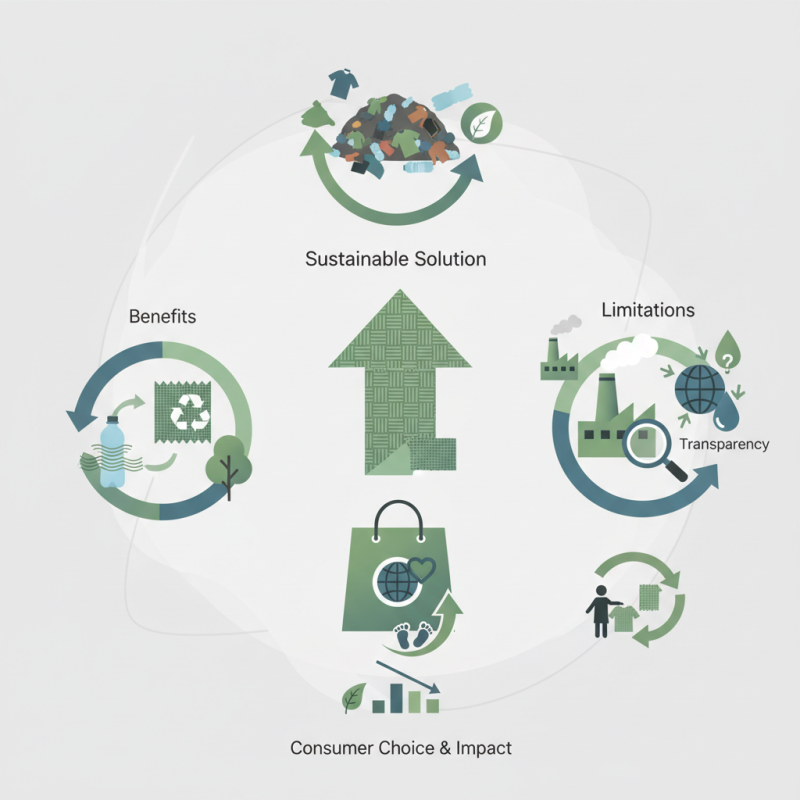
When selecting recycled polyester fabric, it's crucial to understand its benefits and limitations. While it helps reduce reliance on virgin resources, some processes may still harm the environment. Transparency in sourcing and production is vital. Brands must critically assess their supply chains and the recycling processes they employ.
As consumers, our choices directly impact sustainability. The Global Fashion Agenda reveals that adopting recycled materials could significantly decrease fashion’s carbon footprint. Embracing recycled polyester fabric is a step towards eco-conscious living but requires continuous reflection on our consumption patterns and industry practices.
Understanding Recycled Polyester Fabric and Its Environmental Impact
Recycled polyester fabric is gaining attention in sustainable fashion. It is made from post-consumer plastic bottles and waste. By transforming these materials, we can significantly reduce landfill waste. However, the process isn't without its challenges. While recycled polyester helps to lower the carbon footprint, it still relies on energy-intensive production methods.
Environmental impact varies considerably. Some recycled fabrics are treated with harmful chemicals during processing. These can seep into waterways and harm aquatic life. Additionally, microfibers from polyester can enter oceans when washed, contributing to pollution. The benefit of using recycled materials is clear, but the ecological cost needs consideration.
Choosing recycled polyester responsibly requires research. Look for suppliers who disclose their production methods. Transparency is crucial in making informed choices. Not all recycled polyester is created equal, and not every process is sustainable. Reflect on the life cycle of the fabric you choose and its impact on the planet. Small actions can lead to meaningful change.
Key Factors to Consider When Choosing Recycled Polyester for Fashion
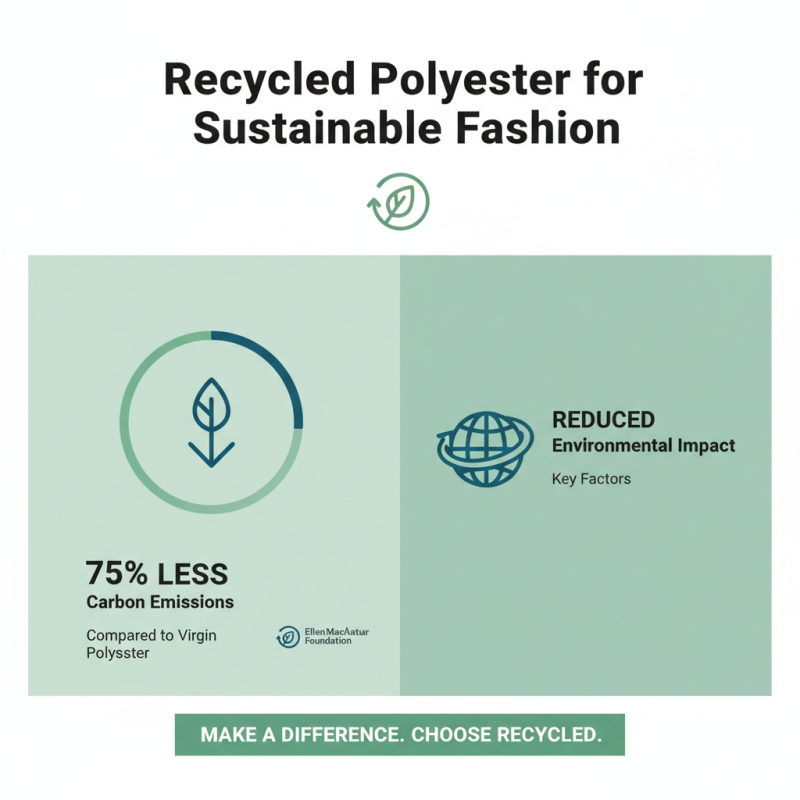
When choosing recycled polyester fabric for sustainable fashion, several key factors should be considered. The fabric's environmental impact is paramount. According to the Ellen MacArthur Foundation, using recycled polyester can reduce carbon emissions by up to 75% compared to virgin polyester. This significant reduction contributes to a more sustainable fashion industry.
Durability is another aspect to evaluate. Recycled polyester fabrics can vary in quality. Some may not withstand wear and tear as effectively. Consider testing samples for their resilience. A strong fabric not only lasts longer but also minimizes waste. Remember to check for certifications, such as GRS (Global Recycle Standard), which ensure responsible sourcing and manufacturing processes.
**Tip:** Research the sourcing chain of the recycled polyester. Transparency in production can reveal potential environmental issues.
The aesthetic of the fabric is also crucial. Some recycled materials can appear different from traditional polyester, affecting dye retention and texture. It's essential to select a fabric that meets both ethical and aesthetic standards. Be open to experimenting with various textures and finishes. Balancing style and sustainability can be a challenge, but it’s necessary for crafting a responsible wardrobe.
**Tip:** Visit fabric trade shows to explore various options and gather insights from industry experts.
Evaluating Quality and Performance of Recycled Polyester Fabrics
When evaluating recycled polyester fabrics, focus on their quality and performance. The feel of the fabric matters. A soft texture often indicates a better quality. Check for consistency in thickness and color. Variations may affect the overall appearance of your garments.
Next, consider how the fabric performs. Look for breathability and moisture-wicking properties. These features enhance comfort during wear. Test the fabric for durability as well. High-quality recycled polyester should resist wear and tear over time. However, many recycled options can still feel flimsy. This is an area to reflect on, as appearances can be misleading.
Be aware of certifications. Some fabrics may claim to be sustainable without proper backing. Research is essential here. Not all recycled polyester is equal. Always investigate the manufacturing process used. It can greatly affect both quality and environmental impact. Such details may clarify the fabric's true performance and sustainability.
Sourcing and Certification: Ensuring Authenticity in Recycled Polyester
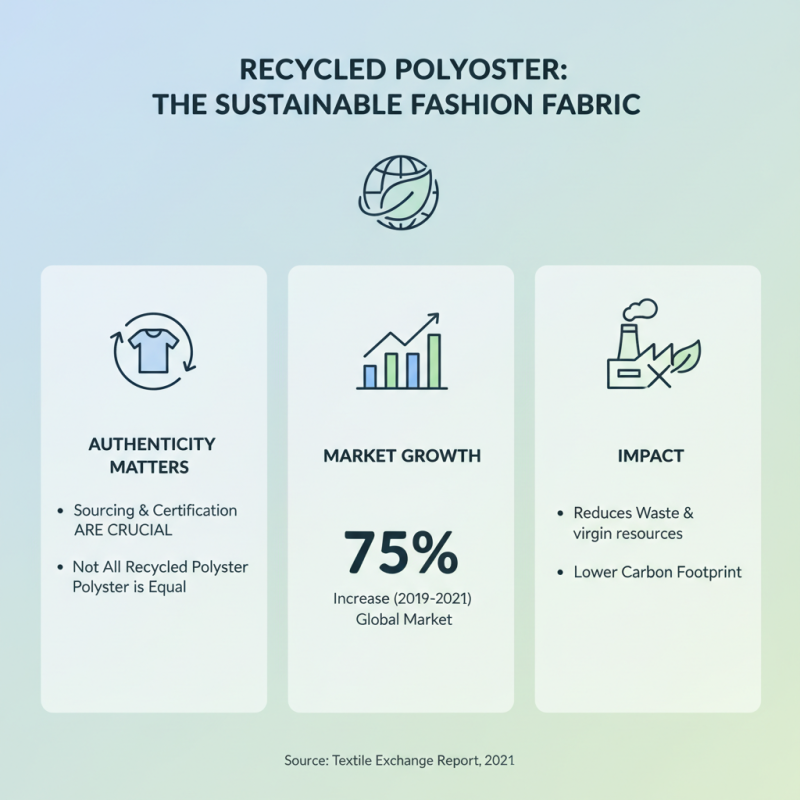
When selecting recycled polyester fabric for sustainable fashion, sourcing and certification are crucial. The authenticity of recycled materials can significantly impact the overall sustainability of a product. According to a recent report by the Textile Exchange, the global recycled polyester market is growing, with an increase of approximately 75% from 2019 to 2021. However, not all recycled polyester is created equal.
It is essential to seek certifications from reputable organizations. Certifications like Global Recycled Standard (GRS) and Recycled Content Standard (RCS) ensure that the material is genuinely recycled. These certifications provide transparency and traceability throughout the supply chain. Before making a purchase, review the supply chain details. Ask about the recycling process and the sources of the materials.
Tips: Always request certification documents from suppliers. Ensure that they can provide proof. Engage with brands that offer clear insights into their sourcing practices. This can help mitigate the risks of greenwashing in the industry. While many brands may claim to offer recycled polyester, it’s vital to verify their claims.
Not every product labeled as recycled is sustainable. Some may contain blends that diminish the environmental impact. Reflect on your choices and consider the life cycle of the fabric. Make informed decisions by scrutinizing data and asking hard questions about the source of recycled materials.
Best Practices for Incorporating Recycled Polyester into Fashion Designs
Recycled polyester fabric is gaining traction in sustainable fashion. Choosing the right type involves careful consideration. Look for fabrics that are certified and transparent. These ensure the material is genuinely recycled. Not all recycled polyester is created equal. Some may still have harmful additives. Investigating the supply chain is crucial.
When incorporating recycled polyester into designs, creativity is key. Explore textures and colors that enhance the fabric's unique characteristics. Think about mixing it with organic cotton for a balanced feel. Sometimes, the fabric can feel different than traditional polyester. It may require adjustments in the design process.
Consider the end-of-life stage of your garments. Will they be easily recyclable themselves? Aligning with circular fashion principles is essential. There is room for improvement in finding better recycling methods. Constant reflection on design choices will lead to innovative solutions. Embrace these imperfections as opportunities for growth.
How to Choose Recycled Polyester Fabric for Sustainable Fashion? - Best Practices for Incorporating Recycled Polyester into Fashion Designs
| Criteria |
Best Practices |
Benefits |
| Source of Recycled Material |
Choose fabrics made from post-consumer waste. |
Reduces landfill waste and conserves resources. |
| Fabric Certification |
Look for certifications like Global Recycled Standard (GRS). |
Ensures credibility and compliance with sustainability standards. |
| Durability |
Select high-quality recycled polyester for long-lasting use. |
Enhances product lifespan and reduces waste. |
| Environmental Impact |
Assess the overall lifecycle impact including production processes. |
Minimizes negative ecological footprint. |
| End-of-Life Options |
Plan for recycling or upcycling at the product's end-of-life. |
Promotes a circular economy and reduces waste. |