Why Choose Rpet Fabric for Sustainable Business Solutions?
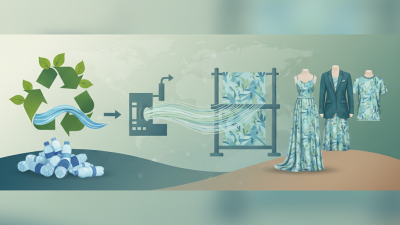
In recent years, the textile industry has witnessed a significant shift towards sustainability. One of the most promising materials leading this change is Rpet Fabric. This recyclable polyester fabric is made from recycled plastic bottles, reducing waste and conserving resources. According to a 2021 report by the Ellen MacArthur Foundation, the global fashion industry produces over 92 million tons of waste annually. By integrating Rpet Fabric into production, businesses can actively combat this alarming statistic.
Choosing Rpet Fabric also aligns with consumer demand for transparency and sustainability. A study by Nielsen in 2020 found that 73% of millennials are willing to pay more for sustainable products. This underscores the importance of integrating eco-friendly materials in business strategies. However, transitioning to Rpet Fabric is not without challenges. Companies must navigate supply chain complexities and ensure quality standards are met.
The potential for Rpet Fabric to drive sustainable business solutions is immense. As businesses strive for greener practices, Rpet Fabric stands out as a viable option. Yet, the industry must remain vigilant in addressing the ongoing environmental impacts of production processes. Embracing Rpet Fabric could mark a significant step forward, but commitment to continuous improvement is essential.

Benefits of RPET Fabric for Sustainable Business Practices
RPET fabric, made from recycled plastic bottles, is gaining traction in sustainable business practices.
This fabric reduces waste by converting plastic into high-quality materials.
According to the 2022 Circular Economy Report, using RPET cuts carbon emissions by up to
55% compared to virgin polyester.
In addition to environmental benefits, RPET provides economic advantages.
Businesses can often reduce costs by using recycled materials.
A study from the Sustainable Fabric Association indicated that companies switching to RPET reported a
30% reduction in materials costs over five years.
This not only supports sustainability but also improves the bottom line.
Tips:
Consider conducting a cost-benefit analysis when transitioning to RPET. This can help identify potential savings.
Encourage suppliers to adopt sustainable practices as well.
Collaboration can amplify the positive impact of using RPET. Remember, not all RPET products are created equally;
some may still have limitations in durability or performance. It's crucial to research before making a commitment.
Comparative Analysis: RPET Fabric vs. Traditional Fabrics
RPET fabric is gaining attention as a sustainable alternative to traditional textiles. Made from recycled plastics, it significantly reduces environmental impact. This innovative material utilizes discarded bottles, turning waste into valuable products. Traditional fabrics such as cotton or polyester often rely on harmful agricultural and production processes. They consume vast amounts of water and fossil fuels. In contrast, RPET fabric helps to mitigate these issues, offering a more eco-friendly option.
When comparing RPET fabric and traditional fabrics, key differences emerge. RPET fabric is lightweight yet durable. It resists fading and retains its shape over time. Traditional fabrics may require more frequent replacements, leading to increased waste. Additionally, the production of RPET consumes less energy. However, the recycling process still needs improvement. Not all plastics can be effectively processed into RPET.
Sustainability in textiles is complex. While RPET offers benefits, it also has limitations. The demand for RPET may lead to over-reliance on single-use plastics. Businesses need to balance innovation with responsibility. By understanding these nuances, brands can make informed choices. This reflection can lead to more effective sustainable practices in the textile industry.
Environmental Impact of Using RPET in Manufacturing Processes
RPET fabric is gaining attention for its role in sustainable business solutions. By utilizing recycled PET plastic, companies can significantly reduce their environmental footprint. Manufacturing RPET requires less energy than producing virgin polyester. This process conserves resources and minimizes greenhouse gas emissions. Moreover, RPET helps divert plastic waste from landfills and oceans.
The impact of RPET extends beyond lightweight fabrics. It supports a circular economy by encouraging recycling and reducing reliance on fossil fuels. This approach not only benefits the environment but can also enhance a company’s brand image. However, the initial processing of RPET can still involve some eco-unfriendly practices. Companies must consider the entire life cycle of products. Addressing these challenges is crucial to ensure a genuinely sustainable approach.
Investing in RPET fabric may present dilemmas. While the immediate benefits are evident, the long-term effects require careful evaluation. Are companies ready to face the challenges that come with sustainable practices? As the demand for eco-friendly solutions grows, so do the complexities in the manufacturing process. The journey toward sustainability is still unfolding, inviting further reflection and improvement.
Economic Advantages of Implementing RPET in Business Solutions
The economic advantages of using RPET fabric in business solutions are compelling. A report by the Ellen MacArthur Foundation highlights that the global market for recycled textiles is projected to reach $6 billion by 2025. This growth reflects an increasing consumer demand for sustainable products. Companies adopting RPET often experience reduced production costs. For instance, repurposing plastic bottles into fabric can save up to 80% in energy compared to virgin materials.
Additionally, RPET can enhance a company’s brand image. A survey from Nielsen indicates that 66% of consumers are willing to pay more for sustainable brands. This shift creates not only a competitive edge but also increases customer loyalty. However, adopting RPET can present challenges. Sourcing quality recycled materials may be inconsistent. Businesses must navigate the complexities of supply chains, which can impact reliability.
Investments in RPET technology can be significant. Companies face upfront costs in research and development. Yet, the long-term savings on raw materials and potential market growth can outweigh these initial expenditures. Balancing these costs with consumer expectations poses a constant challenge for businesses. The path to sustainability is not always straightforward.
Case Studies: Successful Brands Using RPET for Sustainability
Numerous brands are embracing RPET fabric to drive their sustainability efforts. Many have successfully integrated this material into their products. They choose RPET because it reduces waste and conserves resources. This is crucial in a world grappling with pollution and climate change.
One notable case involves a clothing brand that transitioned to RPET for its entire collection. The shift led to a notable reduction in their carbon footprint. Customers appreciated their commitment to sustainability. However, challenges arose. Some designs were limited due to the material's properties. Thus, innovation was necessary to find the right balance.
Another brand focused on using RPET for packaging. They replaced traditional plastic with RPET bottles. This move helped enhance their eco-friendly image. Yet, they faced difficulties in sourcing quality RPET. Constant quality checks were needed to ensure durability. This process highlighted the importance of collaboration with suppliers. Through these challenges, brands become more aware of their environmental responsibilities.