How to Choose the Right Micro Fabric for Your Needs
In the ever-evolving textile industry, micro fabric has emerged as a significant player, known for its unique qualities such as lightweight, softness, and breathability. According to a report by Market Research Future, the global micro fabric market is projected to grow at a compound annual growth rate (CAGR) of 7.5% from 2021 to 2028, emphasizing the increasing demand for versatile materials in sportswear, home textiles, and upholstery. As consumers become more discerning about fabric choices, understanding how to select the appropriate micro fabric for specific needs is crucial.
Dr. Emily Thompson, a renowned textile expert, highlights the importance of making informed decisions in this field. She states, "Choosing the right micro fabric can significantly impact not only the performance of a product but also its durability and ecological footprint." This underscores the necessity of not only considering the tactile and aesthetic qualities of micro fabric but also evaluating its functionality and sustainability. As we delve deeper into the nuances of micro fabric, recognizing its strengths and potential applications will empower consumers and manufacturers alike to make choices that align with both their practical requirements and ethical values.

Understanding Micro Fabric Types: An Overview
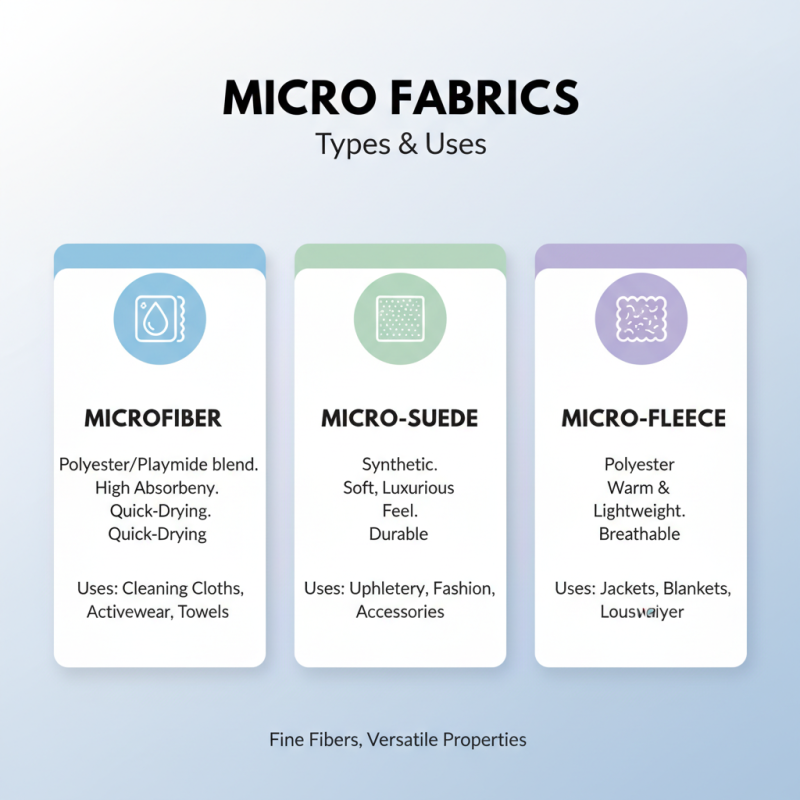
Micro fabrics, often characterized by their fine fibers and lightweight structure, come in various types, each offering unique properties and applications. Commonly used micro fabrics include microfiber, micro-suede, and micro-fleece. Microfiber, made from polyester or polyamide, is particularly famous for its high absorbency and quick-drying capabilities, making it ideal for various textiles, from cleaning cloths to activewear. In contrast, micro-suede offers a soft, luxurious touch and is often used in upholstery and fashion, providing a synthetic alternative to traditional suede.
Another popular option, micro-fleece, is known for its warmth and lightweight nature. This fabric, typically composed of polyester, is often found in outdoor apparel and blankets, providing thermal insulation without bulk. When choosing a micro fabric, consider the intended use: for activewear, prioritize moisture-wicking and breathability; for household items, look for durability and ease of care. Understanding the distinctive qualities of each micro fabric type will help you make an informed decision tailored to your specific needs.
Evaluating the Characteristics of Different Micro Fabrics
When selecting the right micro fabric for your specific needs, it’s essential to evaluate the unique characteristics of various options available in the market. Micro fabrics, which are fine synthetic textiles often used in clothing, upholstery, and cleaning materials, vary significantly in their properties including durability, breathability, and moisture-wicking capabilities. According to a report by the Textile Association, microfibers demonstrate ten times the strength of traditional fibers while remaining lightweight, making them particularly suitable for outdoor gear and activewear.
Another critical characteristic to consider is the fabric's breathability. Studies, such as those published by the International Journal of Clothing Science and Technology, indicate that micro fabrics with a higher denier count tend to offer better air circulation, which is paramount for comfort in hot weather. In addition, moisture-wicking properties are vital for performance fabrics. The ability of micro fibers to absorb and quickly disperse moisture can enhance the wearer's experience, especially in athletic contexts. Research suggests that fabrics with effective moisture management can improve athletic performance by up to 10% during high-intensity activities, underscoring the significance of selecting the right type based on these characteristics.
How to Choose the Right Micro Fabric for Your Needs - Evaluating the Characteristics of Different Micro Fabrics
| Fabric Type |
Weight (g/m²) |
Breathability |
Durability (cycles) |
Common Uses |
| Microfiber Polyester |
120 |
High |
30,000 |
Cleaning, Upholstery |
| Microfiber Nylon |
140 |
Medium |
50,000 |
Outdoor Gear, Apparel |
| Microfiber Bamboo |
110 |
High |
25,000 |
Linens, Baby Products |
| Microfiber Suede |
160 |
Low |
40,000 |
Fashion Items, Accessories |
| Microfiber Velour |
130 |
Medium |
35,000 |
Theater Fabrics, Soft Furnishings |
Identifying Your Specific Needs and Applications
When selecting the right micro fabric, understanding your specific needs and applications is paramount. Micro fabrics come in various compositions and weaves, each designed for distinct uses ranging from apparel to home textiles. For example, the global microfibre market was valued at approximately $1.7 billion in 2020 and is expected to reach $2.4 billion by 2025, underscoring the growing demand for specialized micro fabrics. Depending on the application, certain characteristics such as breathability, absorption, and durability become critical factors to consider.
For individuals or businesses focusing on apparel, it is essential to recognize the intended use of the fabric. Activewear, for instance, often requires moisture-wicking properties and flexibility, thus micro fabrics that incorporate specific polyester blends or hydrophobic treatments should be prioritized. Conversely, if the application leans towards upholstery, evaluating the fabric's durability and stain resistance becomes vital, as data indicates that over 30% of consumer complaints in textiles relate to wear and tear. Moreover, understanding the environmental impact can influence your choice, as 2022 reports highlighted that around 40% of global consumers are willing to pay a premium for sustainable micro fabrics. In essence, a tailored approach to evaluating your needs will significantly enhance your selection process, leading to the optimal use of micro fabrics in your projects.
Comparative Analysis of Micro Fabrics in Various Industries
When examining micro fabrics across various industries, it's essential to consider their unique properties and applications.
From the fashion and automotive sectors to medical and home textiles, micro fabrics exhibit distinct characteristics that cater to specific needs.
In the fashion industry, lightweight and breathable microfibers are often favored for their comfort and drape, while in automotive applications, durability and ease of cleaning are paramount, making polyester blends popular choices.
For the medical industry, micro fabrics must meet stringent health standards. Antimicrobial and liquid-repellent microfibers are crucial for creating protective garments and drapes that ensure the safety of both patients and healthcare providers.
Meanwhile, in home textiles, softness and hypoallergenic properties can enhance the appeal of products like bedding and upholstery.
Tips for Choosing the Right Micro Fabric:
- Identify Your Requirements: Determine the primary function of the fabric—whether it's for fashion, upholstery, or functional medical applications. This will guide you in selecting the appropriate type.
- Assess Durability: Look for materials that can withstand wear and tear, particularly in high-traffic areas or for active use.
- Consider Maintenance: Choose micro fabrics that are easy to clean and maintain, especially for home textiles and fashion items that require frequent washing.
Tips for Selecting and Maintaining Micro Fabric Products
When selecting micro fabric products, it is essential to consider their maintenance to ensure longevity and optimal performance. Micro fabrics, known for their durability and versatility, require specific care guidelines based on their unique properties. A report from the Textile Care Industry Association indicates that proper maintenance can increase the lifespan of micro fabric products by up to 50%, making it a crucial step in the selection process.
Here are some tips for maintaining your micro fabric items effectively. First, always follow the care label instructions—these provide essential guidelines tailored to the specific fabric blend. Regularly brushing the fabric with a soft-bristle brush can help maintain its appearance by preventing matting and removing dirt. Additionally, using a gentle detergent without harsh chemicals ensures that the micro fibers remain intact and functional, preserving their softness and moisture-wicking abilities.
Another important factor is washing frequency. According to studies conducted by the American Cleaning Institute, over-washing can degrade micro fabrics faster, resulting in decreased performance. Washing micro fabrics only when necessary not only protects their quality but also helps in reducing environmental impact through limited water and energy usage. By following these maintenance tips, you can better enjoy the benefits of micro fabrics while prolonging their life and performance.