10 Essential Tips for Choosing the Best Rpet Fabric for Your Projects
In recent years, the textile industry has witnessed a remarkable shift towards sustainability, with RPET (recycled polyethylene terephthalate) fabric emerging as a significant player. This innovative material, made from recycled plastic bottles, not only helps reduce plastic waste but also contributes to lower carbon emissions compared to conventional polyester. According to a report by the Global Recycling Foundation, the demand for RPET fabrics is projected to grow by 15% annually as more brands and designers commit to eco-friendly practices. Choosing the right RPET fabric for various projects is essential for ensuring both quality and sustainability.
Expert in sustainable textiles, Dr. Emily Carter, emphasizes the importance of informed choices in this evolving market. She asserts, "The selection of the right RPET fabric can significantly impact the overall sustainability of a project, elevating brand integrity and consumer trust." With several options available in terms of texture, durability, and applications, understanding the nuances of RPET fabrics becomes crucial for designers and manufacturers alike. This article outlines ten essential tips to help you navigate the selection process, ensuring that your projects not only meet aesthetic demands but also contribute positively to the environment.

Understanding Rpet Fabric: What It Is and Why It Matters
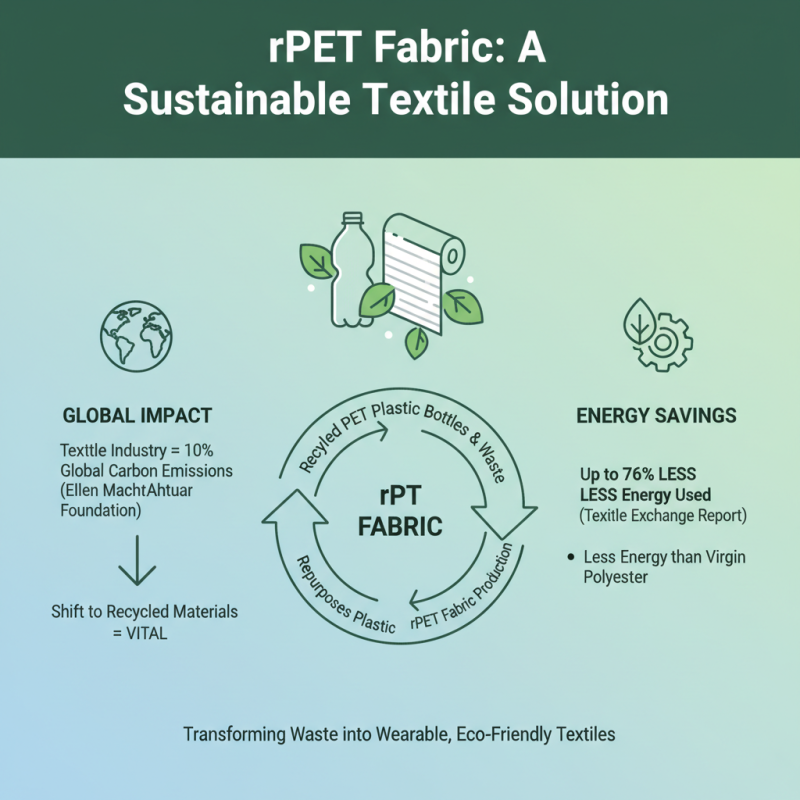
rPET fabric, derived from recycled PET plastic, has emerged as a significant player in the sustainable textile industry. According to the Ellen MacArthur Foundation, the textile industry is responsible for 10% of global carbon emissions, and the shift to recycled materials is vital for reducing this impact. rPET fabric not only repurposes plastic bottles and other waste, but it also requires less energy to produce compared to virgin polyester. In fact, a report from the Textile Exchange indicates that using rPET can save up to 76% more energy, making it a compelling choice for environmentally-conscious projects.
Understanding rPET fabric's benefits extends beyond its ecological impact. This material is versatile and durable, with performance characteristics that are often comparable to traditional polyester. A study by the Global Recycling Foundation highlights that utilizing rPET can also help reduce the volume of plastic waste entering landfills and oceans. With an increasing consumer demand for sustainable products, integrating rPET fabric into projects not only supports responsible sourcing practices but also aligns with a growing trend toward environmental accountability. As industries make strides toward sustainability, the choice of rPET fabric exemplifies a significant step in the right direction.
Key Characteristics to Look for in Rpet Fabric
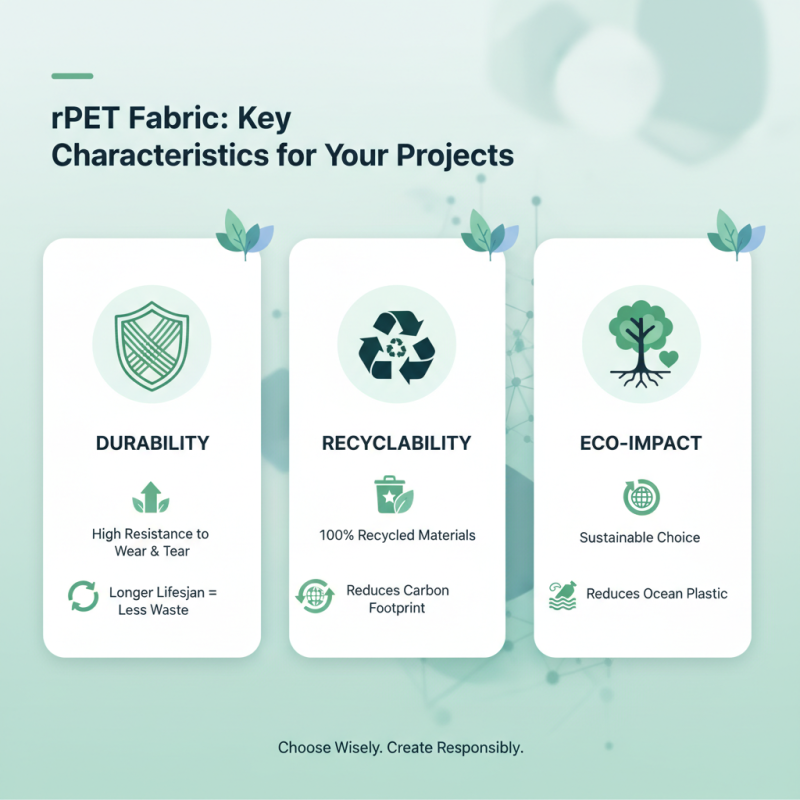
When it comes to selecting the best rPET fabric for your projects, understanding its key characteristics is vital. First and foremost, the fabric’s environmental impact can be assessed by its durability and recyclability. Look for rPET fabrics that boast high resistance to wear and tear, as these materials not only last longer but also contribute to reducing waste in the long run. Fabrics that are made from 100% recycled materials tend to have a smaller carbon footprint, making them a responsible choice for eco-conscious projects.
Another important characteristic to consider is the feel and versatility of the fabric. The texture can significantly impact the final product's appeal, so ensure the rPET fabric provides the desired softness or sturdiness for your specific application. Additionally, investigate the fabric's moisture-wicking properties if your project involves activewear or outdoor gear. Lastly, pay attention to colorfastness and ease of dyeing, as these factors will affect the fabric’s overall aesthetics and performance in your intended use. By focusing on these essential characteristics, you can confidently choose the right rPET fabric to suit your project’s needs.
Evaluating Environmental Impact: Sustainability in Fabric Choices
When selecting rPET fabric for your projects, sustainability should take center stage.
Evaluating the environmental impact of your fabric choice is crucial in today’s eco-conscious world.
Recycled PET (rPET) is derived from post-consumer plastic bottles, making it an excellent alternative to traditional materials that contribute to pollution and resource depletion.
By opting for rPET, you contribute to a circular economy, reducing waste and energy consumption associated with new fabric production.
One essential tip is to check the percentage of recycled content in the fabric.
Higher percentages not only support waste reduction but also often result in fewer chemical treatments during production, minimizing the environmental footprint.
Another important consideration is the supply chain transparency of the fabric.
Investigating the source of rPET and the manufacturing processes involved ensures that your fabric meets your sustainability standards.
Incorporating additional eco-friendly practices into your fabric selection can further enhance your project's sustainability.
For instance, consider fabrics that are dyed using low-impact methods or that have certifications for environmental responsibility.
This not only improves the overall sustainability of your project but also aligns your work with the growing demand for environmentally friendly products in the market.
Assessing Durability and Performance for Your Specific Projects
When selecting RPET fabric for your projects, assessing durability and performance is crucial to ensure that the material meets your specific needs. The first factor to consider is the intended use of the fabric. For projects that demand resilience, such as outdoor gear or bags exposed to varying weather conditions, opt for fabrics with a higher denier count, indicating increased strength and resistance to wear. Evaluate the fabric’s water-resistance qualities and UV stability, as these elements will significantly affect its longevity and overall performance across different environments.
Another essential aspect to examine is the fabric's care and maintenance requirements. Some RPET fabrics may be easily machine washable and resistant to fading, while others could require special care to maintain their appearance and functionality. Additionally, consider the breathability and flexibility of the fabric, especially if the project involves clothing or items that will be worn frequently. By thoroughly assessing these performance characteristics, you can choose the best RPET fabric that will not only withstand the rigors of use but also meet the aesthetic and functional standards of your project.
Design Considerations: Colors, Patterns, and Textures in Rpet Fabric
When selecting RPET fabric for your projects, design considerations such as color, pattern, and texture play a crucial role. The right color can evoke emotions and set the tone for your project. Bold and vibrant hues can create a lively atmosphere, while softer pastel shades may impart a sense of calmness. Consider the intended audience and purpose of your project to choose colors that resonate well. Additionally, experimenting with color combinations can enhance the overall aesthetic appeal of your fabric choice.
Patterns in RPET fabric can significantly influence the final look of your project. Whether you opt for classic prints, geometric designs, or nature-inspired motifs, the selected patterns should complement the project's theme. For instance, floral patterns might be ideal for casual wear or home décor, while abstract designs could suit modern, urban styles. Remember that patterns can also play a role in concealing wear and tear, helping your project maintain its appearance over time.
Finally, texture is another essential factor when choosing RPET fabric. A varied texture can add depth and interest to your project, making it more engaging. Consider the tactile experience that different textures can bring; smoother fabrics may lend themselves well to sleek designs, while textured options might be better suited for more rustic or handmade aesthetics. Always keep in mind the functional aspects of the texture as well, ensuring it meets both the aesthetic and practical needs of your project.
10 Essential Tips for Choosing the Best Rpet Fabric for Your Projects
| Tip Number |
Consideration |
Description |
Example Colors |
Example Patterns |
Example Textures |
| 1 |
Color Choice |
Select colors that align with your brand identity. |
Blue, Green, Earth Tones |
Florals, Geometric |
Smooth, Woven |
| 2 |
Pattern Selection |
Choose patterns that are visually appealing and fit the project. |
Vibrant Colors, Muted Tones |
Stripes, Dots |
Canvas, Felt |
| 3 |
Texture Consideration |
Think about how the fabric's texture will affect the final product. |
Soft, Rugged |
Abstract Prints, Solid |
Textured, Smooth |
| 4 |
Durability |
Ensure the fabric can withstand the intended use. |
Deep Colors |
Classic Patterns |
Denim-like, Heavyweight |
| 5 |
Comfort |
Consider how comfortable the fabric will feel on the skin. |
Pastel Colors |
Minimalist |
Silky, Soft |
| 6 |
Environmental Impact |
Opt for eco-friendly fabrics that promote sustainability. |
Natural Colors |
Earthy Patterns |
Organic Textures |
| 7 |
Cost |
Evaluate the cost of the fabric to fit your budget. |
Neutral Shades |
Simple Prints |
Standard Weaves |
| 8 |
Care Instructions |
Look into how easy it is to care for the fabric. |
Bold Colors |
Contemporary Designs |
Easy-Clean Textures |
| 9 |
Availability |
Check the availability of the fabric in your preferred colors and patterns. |
Seasonal Shades |
Seasonal Patterns |
Seasonal Textures |
| 10 |
Supplier Reputation |
Choose reputable suppliers for reliable quality. |
Consistency |
Trusted Patterns |
Consistent Textures |