2025 How to Choose the Best Micro Fabric for Your Projects and Needs
In the world of textiles, the choice of fabric plays a pivotal role in the success of any project. When it comes to selecting the right material, "Micro Fabric" has garnered attention from designers, manufacturers, and hobbyists alike. As expert textile designer Jane Thompson notes, "The right micro fabric can transform your vision into reality, offering unmatched versatility and comfort." This emphasizes the importance of understanding the unique properties and potential applications of micro fabrics.
Micro fabrics are not just about softness; they encompass a range of characteristics including durability, breathability, and easy maintenance, making them an ideal choice for various projects. Whether you're creating high-performance sportswear, stylish upholstery, or innovative fashion pieces, the selection process can be daunting due to the vast array of options available.
This guide aims to simplify your decision-making journey by highlighting key factors to consider when choosing micro fabrics, ensuring that your selections align with your specific project needs and aesthetic preferences. By understanding the nuances of micro fabrics, you can elevate your work to new heights and create pieces that not only look great but also function effectively.
Understanding Micro Fabric Types and Their Properties
When selecting the best micro fabric for specific projects, it’s crucial to understand the various types and their unique properties. Micro fabrics, known for their ultra-fine fiber construction, can be categorized into polyester, nylon, and blended fabrics. According to the Textile Research Journal, polyester microfibers boast superior moisture-wicking capabilities and are resistant to shrinking and stretching, making them ideal for activewear and upholstery. On the other hand, nylon micro fabrics are acknowledged for their strength and durability, offering exceptional abrasion resistance, which is beneficial in applications such as outdoor gear and industrial textiles.
Furthermore, blend fabrics, which often combine polyester and nylon, leverage the advantageous properties of both materials, providing a balance of strength and softness. A study conducted by the American Society for Testing and Materials highlighted that these blends are increasingly favored in contemporary fashion due to their versatility and comfort. Each micro fabric type exhibits distinctive qualities related to weight, durability, and breathability, allowing designers and manufacturers to tailor their material choices according to the specific requirements of their projects. Understanding these characteristics is essential in ensuring optimal performance and satisfaction in the final product.
2025 How to Choose the Best Micro Fabric for Your Projects and Needs
| Micro Fabric Type |
Properties |
Best Uses |
Care Instructions |
| Microfiber |
Soft, durable, highly absorbent |
Cleaning cloths, bedding, apparel |
Machine wash, tumble dry low |
| Micropolyester |
Lightweight, moisture-wicking, quick-drying |
Activewear, sportswear, outdoor gear |
Machine wash, no bleach |
| Microfleece |
Warm, soft, breathable |
Jackets, blankets, linings |
Machine wash, low heat dry |
| Micro suede |
Soft, luxurious, stain-resistant |
Upholstery, fashion accessories |
Spot clean, avoid water |
| Micro-ripstop |
Lightweight, tear-resistant |
Outdoor gear, bags, tents |
Machine wash, hang dry |
Identifying Your Project Needs and Requirements
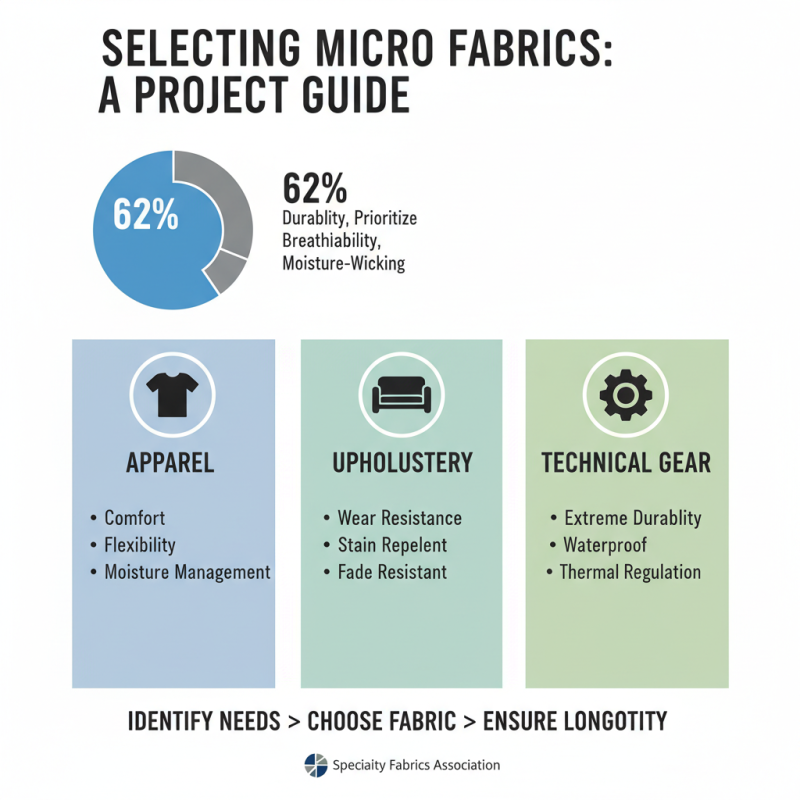
When selecting the best micro fabric for your projects, it is essential to first identify your specific needs and requirements. According to a report by the Specialty Fabrics Association, 62% of fabric users prioritize performance characteristics such as durability, breathability, and moisture-wicking properties. Whether you're designing apparel, upholstery, or technical gear, understanding these aspects is crucial, as they directly affect the performance and longevity of your project.
Moreover, the end-use context significantly influences your fabric choice. For instance, if you're working on outdoor gear, you may require micro fabrics with enhanced weather resistance and UV protection. A study by the Outdoor Industry Association notes that the use of innovative micro fibers in outdoor applications has improved product performance by up to 30%. Alternatively, for home textiles, factors like softness, washability, and eco-friendliness may take precedence, making it vital to define your project goals clearly. By assessing these requirements in detail, you can streamline your options and ensure that the selected micro fabric aligns perfectly with the intended use and desired outcomes.
Evaluating Durability and Maintenance of Micro Fabrics
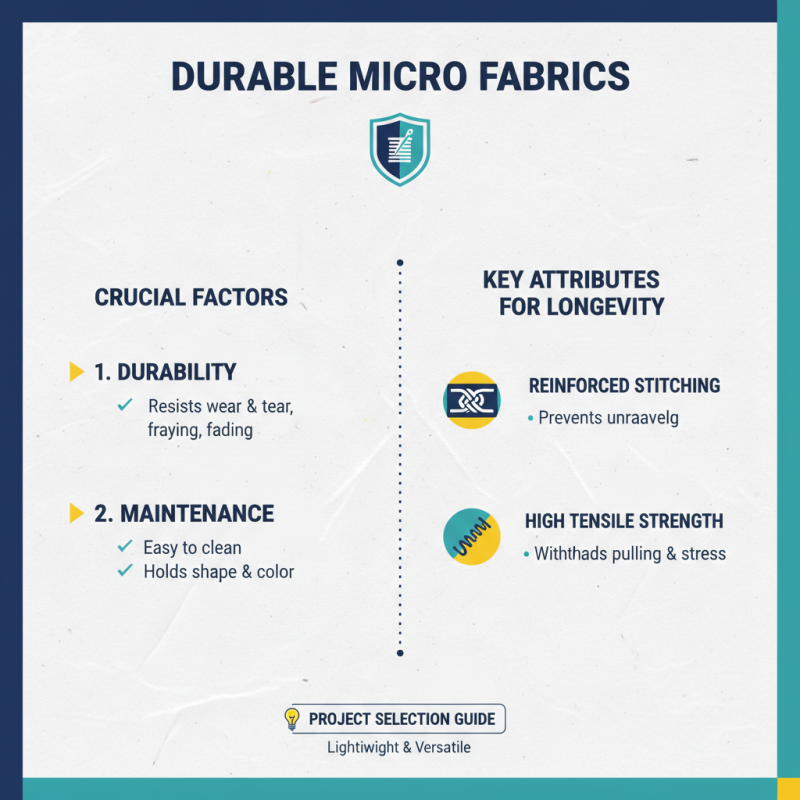
When selecting micro fabrics for your projects, evaluating their durability and maintenance requirements is crucial. Micro fabrics, known for their lightweight and versatile qualities, can vary significantly in how they withstand wear and tear. To ensure longevity, look for fabrics that feature reinforced stitching and high tensile strength. These attributes can help resist fraying and fading over time, providing a more durable solution for everyday use.
Maintaining micro fabrics is another essential factor to consider. Many of these materials can be machine washed, but it's important to check care labels for specific instructions. To protect their structure and appearance, use gentle detergents and avoid bleach. Additionally, air drying is often recommended over tumble drying to prevent potential shrinkage and preserve the fabric's integrity.
Tips: When choosing a micro fabric, always prioritize fibers that are resistant to stains and easy to clean. Incorporating water-repellent treatments can also enhance durability and simplify maintenance, making your projects not only stylish but practical as well. Another great tip is to test a small swatch of the fabric for any colorfastness before committing to a larger piece; this ensures that your chosen fabric will retain its original look through wear and washing.
Comparing Cost and Value of Different Micro Fabrics
When selecting micro fabrics for your projects, understanding the cost versus value is crucial.
Different types of micro fabrics can vary widely in price, often reflecting the quality, durability, and specific applications for which they are suited.
Generally, cheaper options may tempt you with their low upfront costs, but they could lack the durability and performance needed for long-term use.
Higher-priced micro fabrics often feature advanced technologies, such as moisture-wicking or antimicrobial properties, significantly enhancing their functionality.
However, the real key to making a sound decision lies in assessing how the fabric aligns with your specific needs.
Consider what you require the fabric to achieve—whether it's for clothing, upholstery, or another purpose.
Weighing initial costs against the longevity and performance of the fabric can lead to better value in the long run.
By investing in higher-quality micro fabrics that meet your project demands, you can ensure that your choice not only delivers satisfactory results but also provides cost-efficiency over time.
Exploring Eco-Friendly Options in Micro Fabric Selection
When selecting micro fabrics for your projects, exploring eco-friendly options can significantly impact your overall sustainability goals. As the global textile market increasingly shifts towards sustainable practices, micro fabrics made from recycled materials, such as PET bottles or discarded textiles, are becoming more prevalent. According to a report by the Global Sustainability Textile Coalition, around 70 million barrels of oil are used annually in the production of conventional polyester textiles, highlighting a pressing need for alternatives. Eco-friendly micro fabrics not only reduce reliance on virgin resources but also contribute to lowering the environmental footprint of textile production.
Moreover, the market for sustainable micro fabrics is projected to grow significantly, with a forecast by Textile Exchange estimating that the demand for recycled polyester could climb by over 30% in the next five years. Innovative companies are also developing bio-based micro fabrics derived from renewable sources like algae or agricultural byproducts. These materials not only minimize plastic waste but also promote a circular economy in the textile industry. By prioritizing eco-friendly micro fabrics, designers and consumers alike can play an essential role in fostering a more sustainable future for clothing and accessories, aligning their projects with the increased consumer demand for responsible practices.