What is Micro Fabric and How is it Used in Everyday Life?
Micro Fabric is becoming increasingly prominent in daily life. This advanced material is widely used in clothing, cleaning products, and home textiles. According to a report by Market Research Future, the global microfiber market is projected to reach $10 billion by 2025. This growth shows the rising importance of Micro Fabric in modern applications.
Expert Dr. Jane Thompson, a noted textile scientist, states, "Micro Fabric is revolutionizing our world through its versatility and efficiency." From outdoor gear to luxury home furnishings, these fabrics offer durability and comfort. Yet, there are challenges to consider. Micro Fibers can shed during washing, contributing to environmental issues. This raises questions about sustainability and responsibility in production processes.
As consumers, we must reflect on how we use Micro Fabric. While it provides benefits, we should be aware of its impact. Striking a balance between convenience and eco-consciousness is essential. The future of Micro Fabric lies in innovation and responsible practices. The journey ahead is filled with both opportunities and challenges.

Definition and Composition of Micro Fabric
Micro fabric is a finely woven material made from synthetic fibers. The typical composition includes polyester or nylon, which creates a soft texture. This thin fabric is often lightweight and durable, making it ideal for various uses. The tight weave also helps repel water and dirt.
In everyday life, micro fabric appears in many forms. You might find it in clothing, such as activewear, due to its breathability and comfort. It’s also popular in household items like cleaning cloths. These cloths trap dirt effectively, which can lead to a cleaner home. However, micro fabrics can release tiny fibers into the water system when washed, raising environmental concerns.
Despite its advantages, there are downsides. Micro fabric can wear down over time, losing its original softness and effectiveness. Also, some people may experience allergic reactions to synthetic fibers. These issues highlight the need for careful consideration when choosing fabrics for daily use.
What is Micro Fabric and How is it Used in Everyday Life? - Definition and Composition of Micro Fabric
| Dimension |
Details |
| Definition |
Micro fabric is a synthetic fabric made from fibers that are less than one denier in diameter, making it exceptionally soft and lightweight. |
| Composition |
Typically composed of polyester or nylon, blended sometimes with other materials for specific properties. |
| Common Uses |
Used in clothing, cleaning cloths, upholstery, outdoor gear, and various accessories due to its durability and ease of care. |
| Benefits |
Softness, lightweight, breathability, quick drying, and resistance to wrinkling and shrinking. |
| Environmental Considerations |
Microfiber can cause microplastic pollution in water systems; efforts are being made to create more sustainable options. |
| Care Instructions |
Machine washable, typically not recommended to use fabric softeners, and air drying is preferred to maintain quality. |
Applications of Micro Fabric in Clothing and Fashion
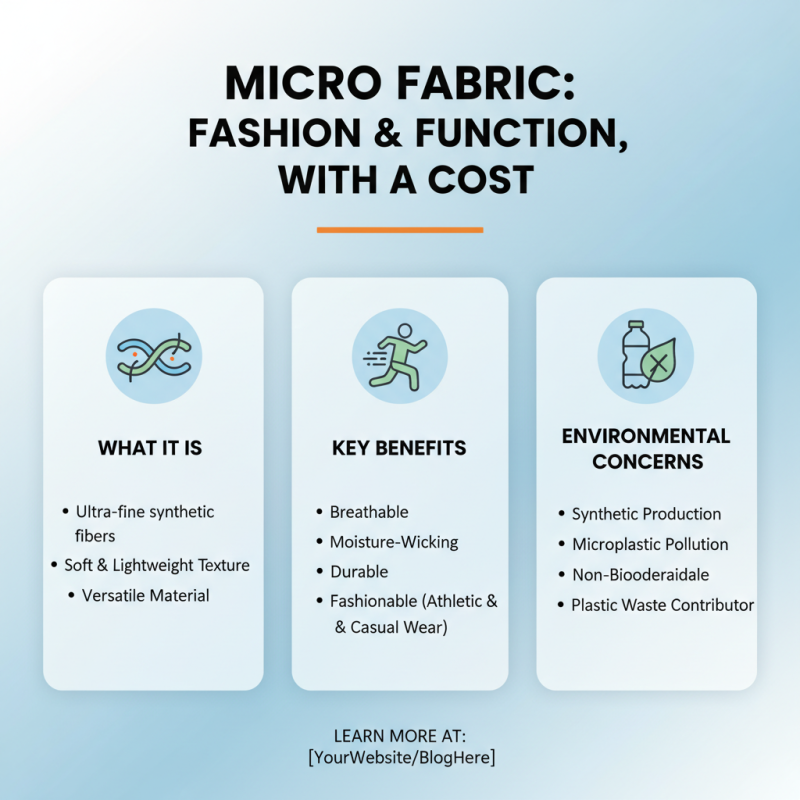
Micro fabric offers a soft, lightweight texture. It is made from ultra-fine synthetic fibers. This material is not only functional but also fashionable. Many clothing brands use it to create versatile styles. It is often used in athletic wear due to its breathability and moisture-wicking properties. However, these benefits come with environmental concerns. The production of synthetic fibers contributes to plastic waste.
In the fashion industry, micro fabric finds its place in everyday wear. It is often used in jackets, dresses, and activewear. The fabric's smooth surface allows for vibrant colors and patterns. However, one must consider durability. Some micro fabric items may wear out faster than expected. Consumers sometimes overlook this aspect when shopping. It’s essential to reflect on the longevity of such garments. While they may look appealing, they might not last as long. Choosing quality over quantity is crucial in sustainable fashion.
Micro Fabric in Home Textiles and Furnishings
Micro fabric has become a popular choice for home textiles and furnishings. This lightweight material is soft and durable. It offers an elegant finish while providing practical benefits. Micro fabric is often used in curtains, upholstery, and bedding. Its fine fibers help resist stains and repel water. This makes cleaning easier, a core requirement for busy households.
Many people admire the way micro fabric feels. It can mimic the appearance of more expensive materials like silk or suede. However, some may find it less breathable than natural fabrics. This can lead to discomfort in warmer seasons. Also, the longevity of micro fabric can be a concern. While it withstands wear and tear, it may not age gracefully. Over time, it can show signs of pilling or fading.
When considering micro fabric for home décor, balance is essential. Have you thought about how it blends with your other furnishings? The color choices are vast but can be overwhelming. Every decision shapes the atmosphere of your space. Choosing the right texture and pattern is crucial. Reflect on how these elements speak to your personal style. Even in its popularity, micro fabric demands thoughtful consideration.
Environmental Impact and Sustainability of Micro Fabric
Micro fabric has become a staple in the textile industry. Its lightweight and soft feel attract many consumers. However, we must consider the environmental impact it creates. Micro fabric is often made from synthetic fibers like polyester. These materials can take hundreds of years to decompose. They contribute to landfill waste significantly.
Additionally, the production of micro fabric often involves harmful processes. Manufacturing can release toxic chemicals into water systems. This not only affects local ecosystems but also human health. Another concern is microplastics. When washed, micro fabric releases tiny particles into waterways. These microplastics are now found in oceans and even in drinking water. The scale of this issue raises questions about sustainability in manufacturing practices.
There are alternative materials that can reduce environmental damage. For example, organic cotton and bamboo fabrics offer more eco-friendly options. Yet, these alternatives still face challenges in production and cost. Shifting to sustainable practices requires collective efforts from consumers and manufacturers alike. It’s important to reflect on the choices we make daily regarding micro fabric use. Our decisions can significantly influence environmental sustainability.
Care and Maintenance of Micro Fabric Products
Micro fabric is a popular choice for various products like clothing, upholstery, and accessories. It is lightweight and durable, making it an ideal material for these applications. However, caring for micro fabric is essential to maintain its quality and longevity.
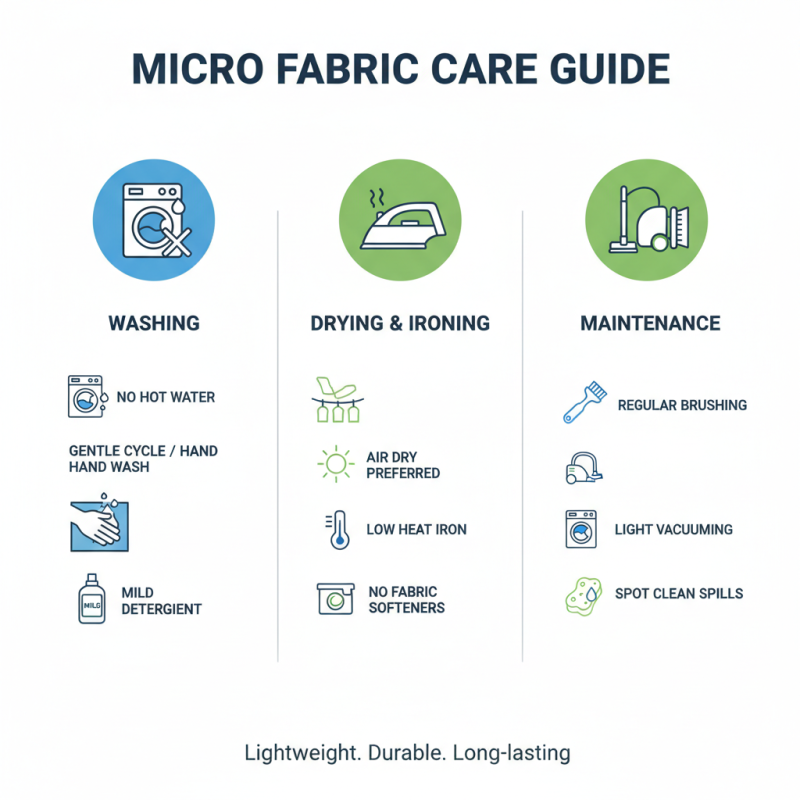
Cleaning micro fabric can be tricky. It often requires gentle treatment. Use a soft brush or cloth to remove dust and dirt. For stains, a mild soap solution is usually enough. Rinse well and avoid harsh chemicals. These can damage the fabric fibers.
Tips: Always check labels for care instructions. If unsure, test cleaning methods on a small area first. Store micro fabric items in a cool, dry place to prevent moisture damage. This helps avoid mold and mildew growth. Remember, care routines can vary by product type.
Regular maintenance also matters. Vacuuming fabric items helps remove dirt and allergens. For furniture, consider using a lint roller for easy upkeep. While micro fabric is resistant to wrinkles, it can attract static. Use anti-static sprays for a smoother finish. Reflecting on these care practices ensures your micro fabric stays looking its best.