What is Micro Fabric and Why is it Popular for Sourcing?
Micro Fabric has gained rapid popularity in the textile industry, revolutionizing how we approach sourcing. According to a recent report from Statista, the global demand for micro fabrics is projected to grow by 12% annually through 2025. This growth is attributed to its lightweight nature, durability, and moisture-wicking properties. Industry expert Dr. Emily Chen notes, "Micro Fabric is not just a trend; it is a game-changer for sustainable sourcing."
In addition to its functional benefits, Micro Fabric offers versatility for various applications, from sportswear to home textiles. Its ability to blend comfort and performance speaks to a consumer desire for quality. However, the rise in demand also raises questions about sustainability and material sourcing challenges. Brands must navigate the fine line between innovation and responsible production.
As the market expands, it becomes vital to evaluate the sourcing strategies that prioritize environmental impact. While Micro Fabric presents exciting possibilities, there remains a need for ongoing dialogue about its long-term effects on the planet and consumer well-being. Balancing these factors is critical in the evolving landscape of textile sourcing.
What is Micro Fabric?
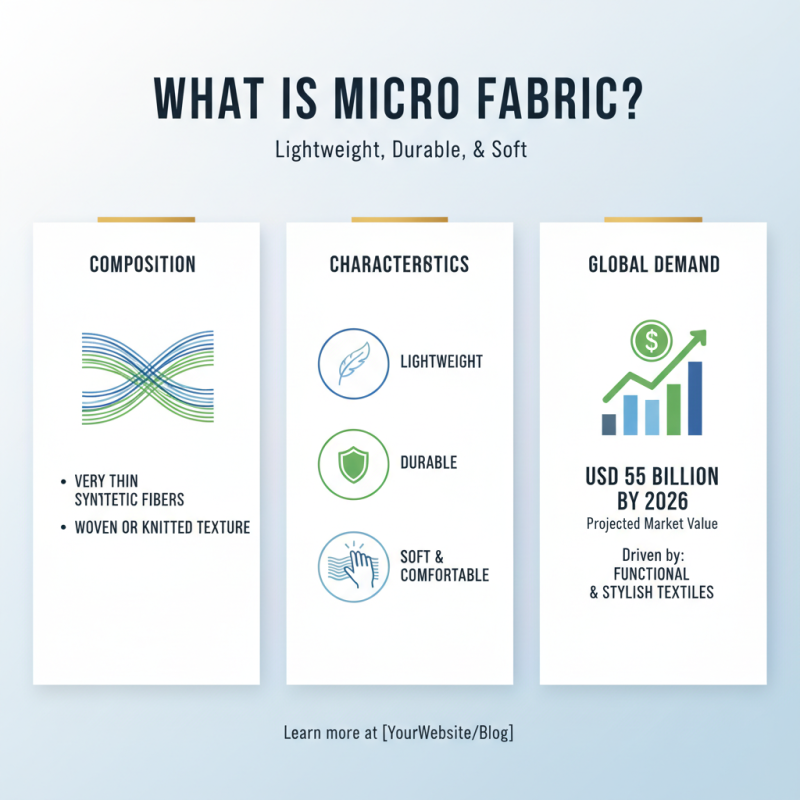
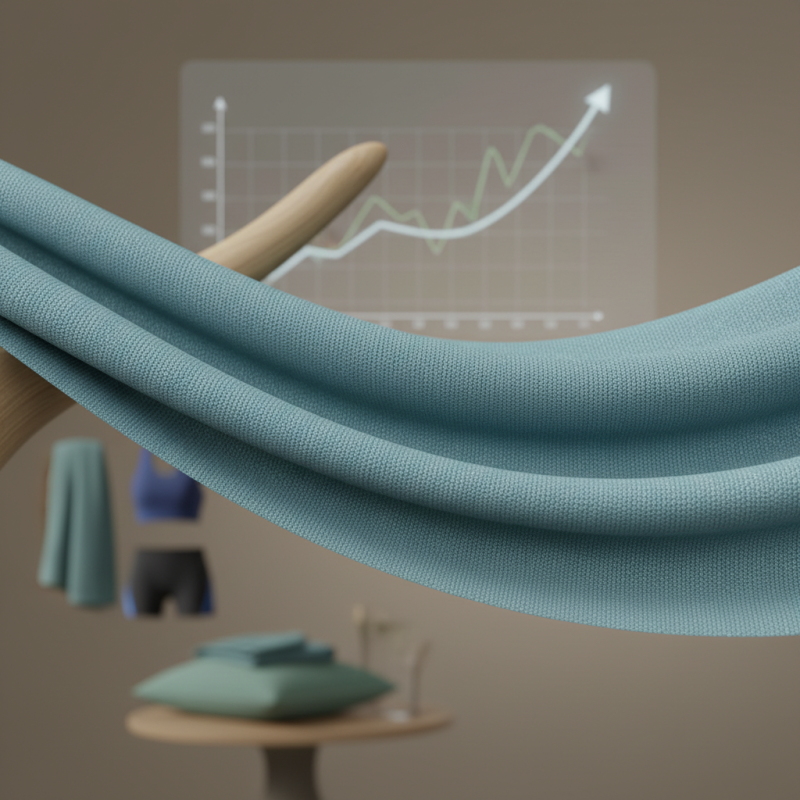
Micro fabric has gained traction in various industries due to its unique characteristics. This material typically consists of very thin synthetic fibers, making it lightweight yet durable. Micro fabrics can be woven or knitted, resulting in a soft texture that is comfortable against the skin. According to industry reports, the global demand for micro fabrics is projected to reach USD 55 billion by 2026. This projection reflects consumer preferences for functional and stylish textiles.
The versatility of micro fabric enhances its appeal. It is used in everything from activewear to home textiles. For instance, it is moisture-wicking, which aids in temperature regulation and keeps wearers dry during physical activities. Moreover, it resists wrinkling and fading, adding to its long-term reliability. The fabric’s lightweight nature makes it ideal for both travel and daily wear, aligning with modern consumer needs for convenience and performance.
Despite its many advantages, challenges in sourcing micro fabrics exist. Availability can fluctuate based on raw material production. Environmental concerns regarding synthetic fibers remain prevalent. Sustainable sourcing methods are a growing focus. As eco-friendly practices gain more attention, the industry must address these issues head-on. The evolution of micro fabric is ongoing, and keeping pace with sustainability trends is vital.
The Composition and Structure of Micro Fabric
Micro fabric has gained significant attention in textile sourcing due to its unique composition and structure. Primarily made from synthetic fibers, micro fabric combines polyester and nylon, offering a soft touch while maintaining durability. According to a report by Textile World, microfabrics can be 100 times finer than human hair, allowing for breathable, lightweight designs. The fine denier typically ranges from 0.5 to 1.5, leading to enhanced performance characteristics.
The construction of micro fabric involves tightly woven fibers, resulting in a dense structure that is water-resistant and stain-repellent. This unique property is backed by research from the American Association of Textile Chemists and Colorists, which indicates that micro fabrics often feature a higher liquid repellency rate than traditional fabrics. Users appreciate this, especially in performance apparel and home textiles. However, some experts express concern about the environmental impact of synthetic fiber production. Ongoing debates address the balance between durability and sustainability in fabric sourcing.
While micro fabric's versatility makes it popular, challenges remain. The production process can lead to microplastics in water systems. Addressing this issue requires innovation in recycling and production techniques. Furthermore, the market's demand for eco-friendly alternatives is growing, pressing manufacturers to reconsider sourcing strategies. It’s crucial for the industry to continue evolving, ensuring that micro fabric remains a responsible choice in textile sourcing.
What is Micro Fabric and Why is it Popular for Sourcing?
| Property |
Description |
Usage |
Benefits |
| Composition |
Microfiber is a synthetic fiber, typically made from polyester and polyamide. |
Used in textiles, cleaning products, and clothing. |
Highly absorbent and quick-drying. |
| Structure |
Microfibers are finer than silk, allowing for a denser weave. |
Common in sportswear and outerwear due to breathability. |
Provides a soft, luxurious feel while being durable. |
| Sustainability |
Some microfibers are made from recycled materials. |
Increasingly used in eco-friendly product lines. |
Reduces waste and environmental impact. |
| Care |
Requires gentle washing to maintain integrity. |
Used in products that require frequent washing. |
Longevity and retaining quality through washes. |
Advantages of Micro Fabric in Textile Sourcing
Micro fabric has gained significant traction in the textile sourcing industry. Its lightweight yet durable nature makes it an appealing option for many manufacturers. According to a recent industry report, the global demand for micro fabrics is projected to grow by 7% annually. This growth reflects the growing interest in modern, versatile textiles.
One of the main advantages of micro fabric is its excellent moisture-wicking properties. This feature is vital for activewear and outdoor apparel. Additionally, micro fabrics are often environmentally friendly. Many manufacturers now produce them from recycled materials. In fact, over 60% of brands surveyed reported increased consumer interest in sustainable materials. This shift highlights the importance of innovation in sourcing.
However, not all micro fabrics are created equal. Quality can vary significantly between suppliers. Some may compromise durability for softness. This inconsistency can lead to consumer dissatisfaction. As sourcing professionals, it’s crucial to evaluate suppliers thoroughly. Ensuring long-term reliability is a challenge that requires ongoing attention. The textile industry must prioritize both performance and sustainability to meet rising consumer expectations.
Popularity of Micro Fabric in Textile Sourcing
Applications of Micro Fabric in Fashion and Industry
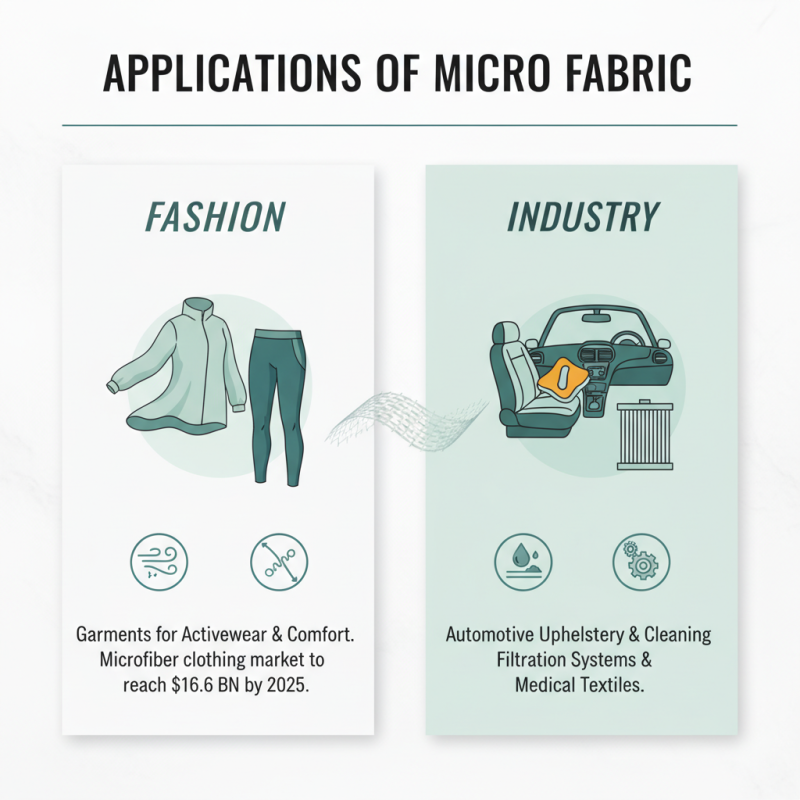
Micro fabric, with its fine and lightweight texture, is increasingly favored in both fashion and industry. Its unique properties make it suitable for various applications. In the fashion world, micro fabrics, such as microfibers, are used for garments that require breathability and flexibility. According to a report by Grand View Research, the global microfiber market is projected to reach USD 16.6 billion by 2025, highlighting its growing popularity in clothing.
In the industrial sector, micro fabric is utilized in filtration and cleaning products. The fine fibers capture tiny particles, making them effective for dust filters and mops. Reports by the Industrial Fabrics Association International indicate that the demand for advanced filtration systems will drive growth in this segment. This versatility makes micro fabric an attractive option for brands seeking sustainable solutions.
However, the production process for micro fabrics raises concerns. The environmental impact of microplastics is a pressing issue. Each wash can release tiny plastic fibers into water systems. As the industry moves toward sustainability, it's vital to address these challenges. Exploring alternatives or enhancing recycling processes could balance the benefits of micro fabrics with ecological responsibilities.
Sustainability and Environmental Impact of Micro Fabric
Micro fabric has gained popularity due to its lightweight and durable properties. However, its sustainability and environmental impact are critical considerations amid rising ecological concerns. According to a 2021 report by the Textile Exchange, approximately 35% of the global fiber market comprises synthetic fibers, including micro fabric. These materials can take hundreds of years to decompose, significantly contributing to environmental pollution.
Micro fabrics are often made from polyester and nylon, which are derived from petroleum. The production process relies heavily on fossil fuels, raising questions about long-term sustainability. Moreover, the washing of micro fabric garments releases microplastics into waterways. Research from the Nova Institute indicates that over 500,000 tons of microplastics enter the ocean each year from laundry. This not only threatens marine life but also ends up in our food chain.
Tips: Opt for washing micro fabric clothing in cold water to reduce microplastic shedding. Use a Guppyfriend bag or similar products to capture microfibers during laundry. Investing in high-quality items can also extend the life of your micro fabric garments, fostering sustainability. Consider alternatives like organic cotton or recycled materials when possible. Balancing convenience with ecological responsibility is essential in today’s fashion landscape.