What is Recycled Nylon Fabric and Why Should You Use It?
Recycled Nylon Fabric is making waves in the textile industry. As environmental concerns grow, this innovative material offers a sustainable alternative to traditional nylon. According to a report by the Textile Recycling Association, approximately 70 million tons of nylon waste are produced annually. This statistic highlights the urgent need for recycling efforts. Industry expert Dr. Emily Carter states, "Recycled Nylon Fabric is not just eco-friendly; it can also outperform virgin materials in durability and versatility."
Using Recycled Nylon Fabric not only reduces landfill waste but also conserves resources. For instance, producing recycled nylon uses up to 88% less water and reduces energy consumption by 90% compared to virgin nylon. Yet, awareness remains low. Many consumers overlook these benefits, limiting the potential impact on sustainability in fashion.
There's still room for improvement in the recycling processes and consumer education. The textiles sector must work harder to communicate these advantages. As we embrace sustainable clothing options, Recycled Nylon Fabric stands out as a responsible choice. Yet, more collaboration and innovation are needed to fully realize its potential.

Definition and Composition of Recycled Nylon Fabric
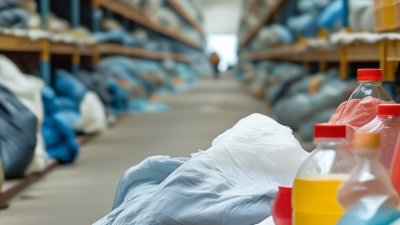
Recycled nylon fabric has become increasingly popular due to its sustainability and environmentally friendly composition. This fabric is primarily made from post-consumer waste, such as discarded fishing nets and fabric scraps. According to the Ellen MacArthur Foundation, the fashion industry generates about 92 million tons of textile waste each year. By using recycled nylon, we can significantly reduce this waste and lower our environmental impact.
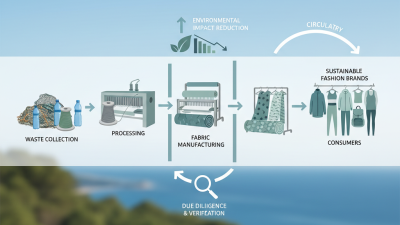
The production process of recycled nylon involves breaking down these waste materials and reforming them into new fibers. This method requires less energy compared to producing virgin nylon, resulting in up to 80% lower carbon emissions, as reported by the Textile Exchange. Despite its advantages, challenges remain. The quality of recycled nylon can vary based on the source material and processing methods. Some recycled fabrics may not perform as well as their virgin counterparts in specific applications, leading to concerns within the industry.
With ongoing improvements in technology and processing techniques, the reliability of recycled nylon is expected to increase. As brands aim for circularity, the demand for high-quality recycled textiles will grow. Though not perfect, recycled nylon represents a step towards a more sustainable future. Engaging with this material aligns with a broader commitment to environmental stewardship, essential for the industry’s evolution.
Environmental Benefits of Using Recycled Nylon Fabric
Recycled nylon fabric offers significant environmental benefits. Manufacturing new nylon typically involves high energy consumption and carbon emissions. According to the Textile Exchange, producing recycled nylon reduces energy usage by up to 90%. This reduction is crucial in addressing climate change.
Using recycled nylon also lessens dependence on petroleum, the primary raw material for virgin nylon. Approximately 4% of global oil production is used for nylon production. By shifting to recycled materials, we can conserve valuable resources and decrease pollution. The Ocean Conservancy reported that reducing plastic waste in oceans could save marine life and ecosystems.
However, the recycling process itself is not without challenges. Quality control can vary, impacting the durability of finished products. Additionally, awareness about recycled materials is still growing. Many consumers remain hesitant to choose recycled options. These factors highlight the need for continued education and innovation in the textile industry.
Applications and Uses of Recycled Nylon in Fashion Industry
Recycled nylon fabric has become increasingly popular in the fashion industry. Its unique qualities make it a sustainable choice for various applications. Designers are now leveraging recycled nylon in activewear, swimwear, and outerwear. This shift promotes environmental responsibility while maintaining performance.
Activewear brands appreciate recycled nylon for its durability and flexibility. The fabric is lightweight and breathable, ideal for sports. Swimwear made from recycled nylon offers the same sleek look as conventional options, but with a reduced environmental impact. Additionally, outerwear made with this material provides excellent insulation and weather resistance.
While the benefits are clear, challenges remain. The recycling process can be energy-intensive, questioning its overall sustainability. Consumers might also hesitate to embrace recycled materials due to misconceptions about quality. Education on these issues is crucial for wider acceptance and informed choices in fashion.
Recycled Nylon Fabric Usage in the Fashion Industry (2023)
The chart above illustrates the percentage of recycled nylon fabric usage across various segments of the fashion industry in 2023. Activewear leads with the highest usage, followed by swimwear and outerwear. This reflects a growing trend towards sustainability in fashion apparel.
Comparing Recycled Nylon with Conventional Nylon Fabrics
When comparing recycled nylon with conventional nylon fabrics, significant distinctions emerge. Conventional nylon production is energy-intensive. It traditionally involves petrochemical resources, demanding substantial fossil fuel usage. According to a report by the Textile Exchange, the production of virgin nylon generates about 6.6 kg of CO2 emissions per kilogram of fabric. In contrast, recycled nylon reduces these emissions by up to 80%. This striking difference highlights the environmental benefits of recycled options.
Recycled nylon, often made from ocean waste or discarded textiles, offers similar durability and performance. Fabric experts note its resistance to abrasion and moisture. Additionally, the energy saved in recycling is notable. A study published in the Journal of Cleaner Production states that recycling nylon uses 90% less energy than producing new nylon. However, quality control can sometimes be uneven in recycled fabrics, leading to variations. It's essential to choose reputable suppliers.
Tips: When buying fabric, seek certifications indicating recycled content. Verify claims with third-party tests. Always consider the environmental impact of your fabric choices to support sustainable practices. Choose wisely for better outcomes!
Future Trends and Innovations in Recycled Nylon Fabric Technology
The world of recycled nylon fabric is evolving rapidly. Innovations in technology are transforming waste into valuable resources. According to the Textile Exchange's 2022 report, recycled nylon usage in the apparel industry has increased by 12%, which indicates growing interest. This shift shows a commitment to sustainability.
Notably, advancements in processing techniques are enhancing the quality of recycled nylon. New methods significantly reduce energy consumption. For example, a study found that producing recycled nylon uses 80% less energy than virgin nylon. Consumers are increasingly aware of their choices. They prefer fabrics that reduce environmental impact while maintaining quality.
However, challenges remain. The technology for recycling nylon is still developing. Not all waste materials can be effectively converted. The industry must address these limitations to meet rising demand. Further research and investment are essential. A more sustainable future for recycled nylon fabric hinges on continued innovation and collaboration among stakeholders.
What is Recycled Nylon Fabric and Why Should You Use It? - Future Trends and Innovations in Recycled Nylon Fabric Technology
| Feature |
Details |
Benefits |
| Source Materials |
Recycled materials, such as discarded fishing nets, fabric scraps, and industrial waste. |
Reduces waste and limits reliance on virgin materials. |
| Production Process |
Mechanical recycling and chemical recycling methods. |
Energy-efficient and minimizes pollution compared to traditional nylon production. |
| Durability |
Comparable to virgin nylon in strength and durability. |
Long-lasting products reduce the need for frequent replacements. |
| Environmental Impact |
Lower carbon footprint due to reduced resource extraction. |
Helps combat climate change and conserve natural resources. |
| Applications |
Clothing, accessories, upholstery, and industrial applications. |
Versatile use opens avenues for sustainable fashion and products. |
| Future Innovations |
Advanced recycling technologies and improved material quality. |
Enhancements in performance and sustainability over time. |