What is Recycled Pet Fabric and Why is it Important in 2026?
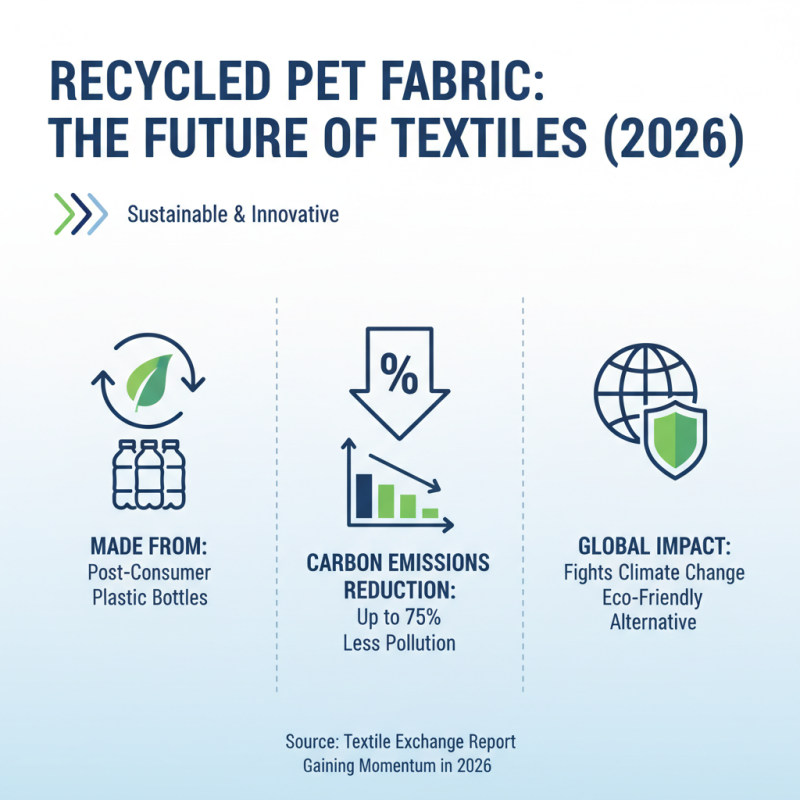
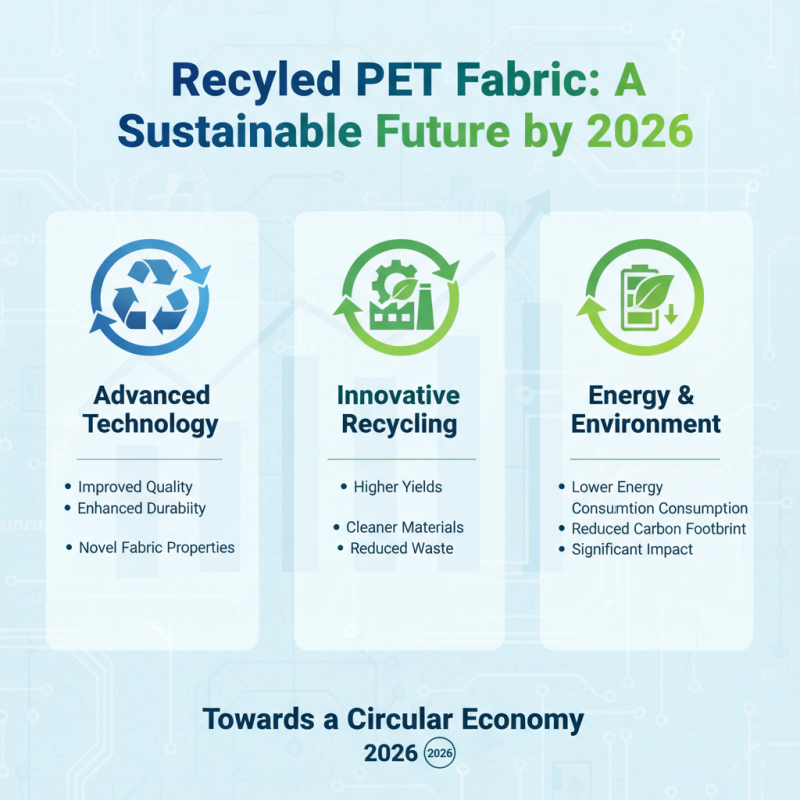
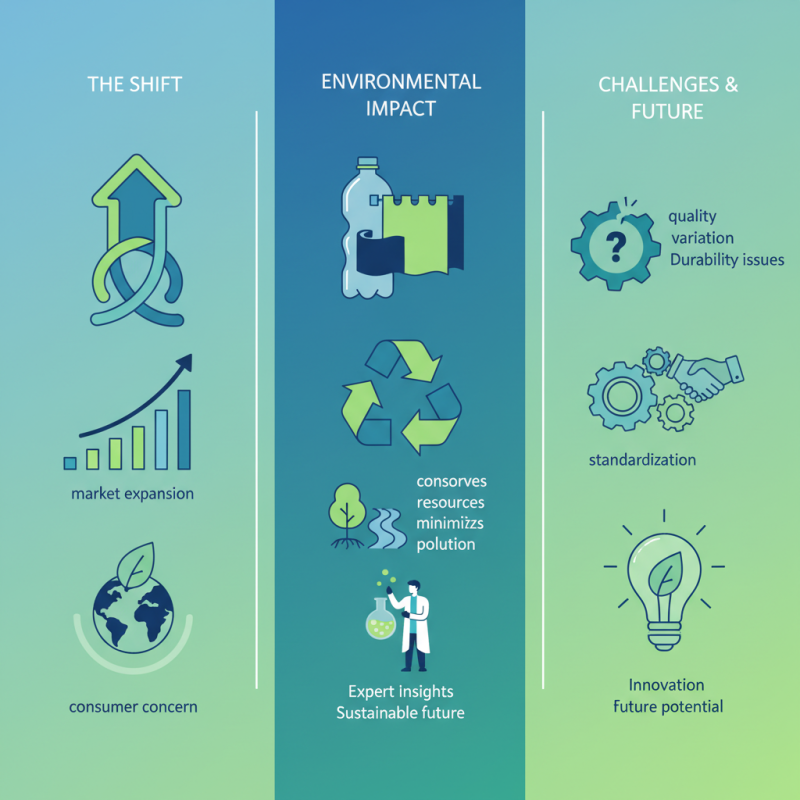
The rise of Recycled Pet Fabric marks a significant shift in the textile industry. In 2026, the demand for sustainable materials is expected to grow. Reports from the Global Sustainability Textile Report indicate that the market for recycled materials will expand by over 20% annually. This shift reflects consumers’ growing concern for the environment.
Experts predict that using Recycled Pet Fabric can reduce plastic waste significantly. Dr. Sarah Green, a leading environmental scientist, emphasizes, “Recycling PET fabric is a crucial step towards a sustainable future.” Her insights highlight the urgency of transitioning from traditional textiles to recycled alternatives. The process of transforming discarded plastic bottles into fabric not only conserves resources but also minimizes pollution.
However, challenges remain. The quality of recycled materials often varies. Some manufacturers struggle to ensure durability and performance. There is a need for standardization across the industry. Continuous innovation and collaboration are essential to overcome these hurdles. As the market evolves, the true potential of Recycled Pet Fabric will become clearer.
Understanding Recycled PET Fabric: Definition and Composition
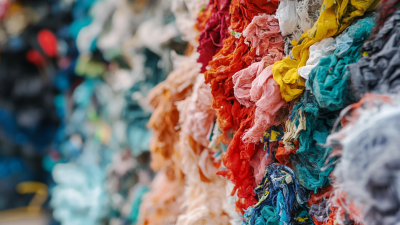
Recycled PET fabric is made from post-consumer plastic bottles. This fabric plays a significant role in sustainable fashion. In 2026, the demand for eco-friendly materials will soar. The global market for recycled PET is projected to reach USD 8 billion by 2026, highlighting its growing importance.
The composition of recycled PET fabric includes around 40% to 70% recycled materials. This varies based on the manufacturer and intended use. Recycled PET fibers are lightweight and durable. They require less energy to produce compared to virgin polyester. However, the recycling process is not perfect. Some chemicals can remain in the fabric, raising concerns about safety and environmental impact.
Recycled PET helps reduce plastic waste. Each ton of recycled PET can save more than 3 tons of CO2 emissions. Yet, the industry faces challenges. Sorting and processing plastics remain labor-intensive and inefficient. Improvements are needed to minimize waste. As we move toward a sustainable future, understanding recycled PET's composition and its impacts is crucial.
Understanding Recycled PET Fabric in 2026
This chart illustrates the projected growth of recycled PET fabric usage across different industries in 2026. The data represents the estimated percentage of usage across textiles, automotive, and consumer products.
The Process of Recycling PET Material into Fabric
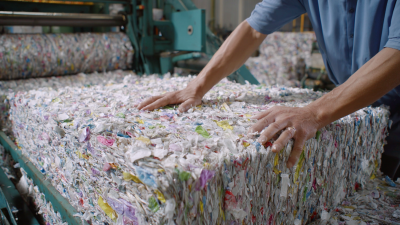
The process of recycling PET material into fabric begins with collecting discarded PET bottles. In 2021, about 9 million tons of PET waste were generated globally. This plastic is sorted, cleaned, and shredded into small flakes. These flakes are then melted down and extruded into fibers.
According to industry reports, recycled PET (rPET) reduces energy consumption by about 70% compared to virgin polyester production.
Next, creating fabric from rPET fibers involves weaving or knitting them into textiles. This method also helps reduce landfill waste. In 2021, only 20% of plastic bottles were recycled into new products. The need for rPET fabric is growing, as nearly 1 million plastic bottles are purchased every minute worldwide. The fashion industry is increasingly embracing sustainable practices, yet the challenge lies in maintaining quality and durability.
Despite these advancements, the cycle isn’t perfect. Recycling rates fluctuate, and some rPET fabrics still contain contaminants. It's a complex issue that raises questions about sustainability truly being sustainable. Growth in rPET use reflects a commitment to environmental responsibility. However, more consistent supply chains and cleaner recycling processes are essential for the future.
Environmental Benefits of Using Recycled PET Fabric
Recycled PET fabric is gaining momentum in 2026. This material is made from post-consumer plastic bottles, providing a sustainable alternative to traditional textiles. According to a report by the Textile Exchange, using recycled PET can reduce greenhouse gas emissions by up to 75%. This significant reduction is crucial in the fight against climate change.
The environmental benefits of recycled PET fabric are compelling. Producing it consumes 60% less energy compared to virgin polyester. This energy savings can significantly decrease our reliance on fossil fuels. Moreover, a staggering 8 million tons of plastic enter oceans every year. By recycling PET, we can divert plastic waste from landfills and marine environments. It offers real hope for cleaner oceans.
However, challenges remain. The recycling process itself can be energy-intensive. Moreover, not all PET waste is collected or processed efficiently. Many still end up in landfills despite recycling options available. Addressing these inefficiencies is vital for maximizing the benefits of recycled PET fabric. The journey toward sustainability is ongoing, and every step counts.
Applications of Recycled PET Fabric in Various Industries
Recycled PET fabric plays a crucial role across various industries in 2026. Its applications are becoming more evident as sustainability takes precedence. According to a recent market analysis, the demand for recycled PET fabric is forecasted to grow by 25% over the next five years. This surge highlights its value and importance in combatting plastic waste.
In the fashion industry, recycled PET fabric is transforming clothing production. Many brands are opting for this eco-friendly material, which helps reduce landfill contributions. A staggering 90 million tons of plastic waste are produced globally each year. By using recycled PET, companies divert substantial amounts of waste from landfills, addressing environmental concerns effectively.
The automotive industry is also embracing recycled PET. Suppliers are integrating it into car interiors, reducing reliance on virgin plastics. This shift could save significant energy, as recycling consumes less energy than producing new materials. Interestingly, studies show that replacing just one kilogram of new plastic with recycled content can reduce CO2 emissions by up to 70%.
Tips: Always look for reputable certifications when purchasing recycled products. Not all recycled materials are created equal. Researching the supply chain is essential for ensuring authenticity. The journey towards sustainability requires transparency and awareness.
What is Recycled PET Fabric and Why is it Important in 2026? - Applications of Recycled PET Fabric in Various Industries
| Industry |
Application |
Environmental Benefits |
Market Growth (2023-2026) |
| Fashion |
Clothing and accessories |
Reduces plastic waste and carbon footprint |
15% |
| Automotive |
Upholstery and interior components |
Decreases energy consumption in manufacturing |
10% |
| Home Textiles |
Bedding, curtains, and furniture |
Promotes sustainable living |
12% |
| Sports Goods |
Athletic wear and gear |
Enhances recycling practices in the industry |
20% |
| Packaging |
Bags and wrappers |
Reduces landfill waste and promotes circular economy |
18% |