What is Rpet Fabric and Why is it Essential for 2026 Fashion?
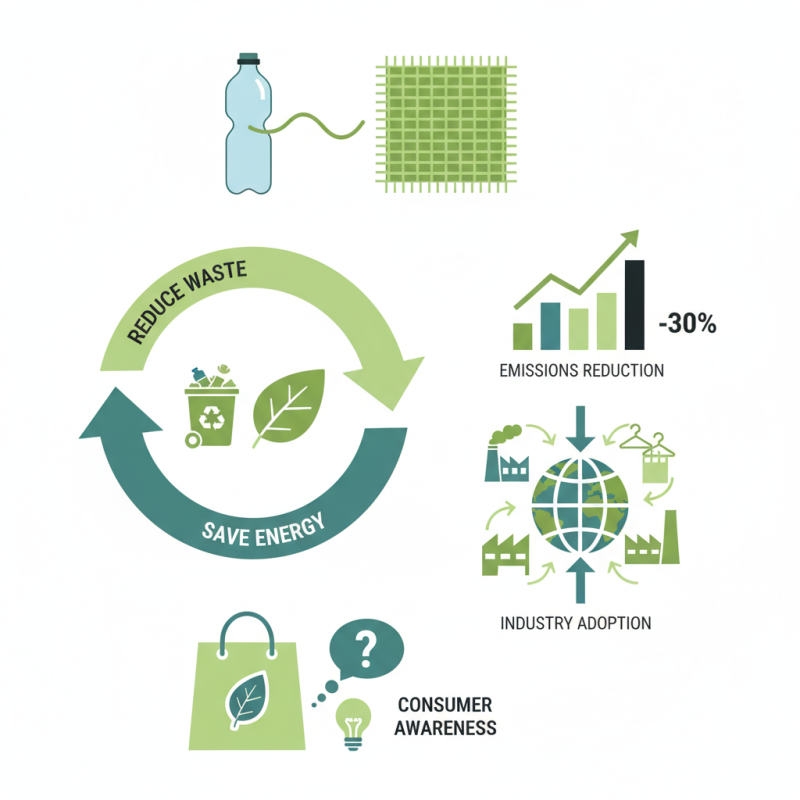
As the fashion industry evolves, sustainability becomes paramount. Rpet Fabric, or recycled polyethylene terephthalate, offers a solution that aligns with eco-conscious trends. It is produced from recycled plastic bottles, reducing waste and energy consumption. According to a recent report by the Global Fashion Agenda, the use of recycled materials can decrease carbon emissions by 30%.
Manufacturers and brands are increasingly adopting Rpet Fabric to meet consumer demand for sustainable products. In 2021, the market for recycled textiles surged, with Rpet Fabric representing a significant portion. Yet, challenges remain. Many companies struggle to maintain quality while scaling up production. Additionally, consumer awareness and acceptance of recycled materials still need improvement.
Ultimately, the integration of Rpet Fabric in fashion for 2026 is not only beneficial but essential. It reflects a shift towards responsible consumption. Nonetheless, continuous efforts are needed to educate consumers about its benefits and limitations. The journey towards a sustainable future is complex but necessary.
Definition and Composition of RPET Fabric in Fashion Industry
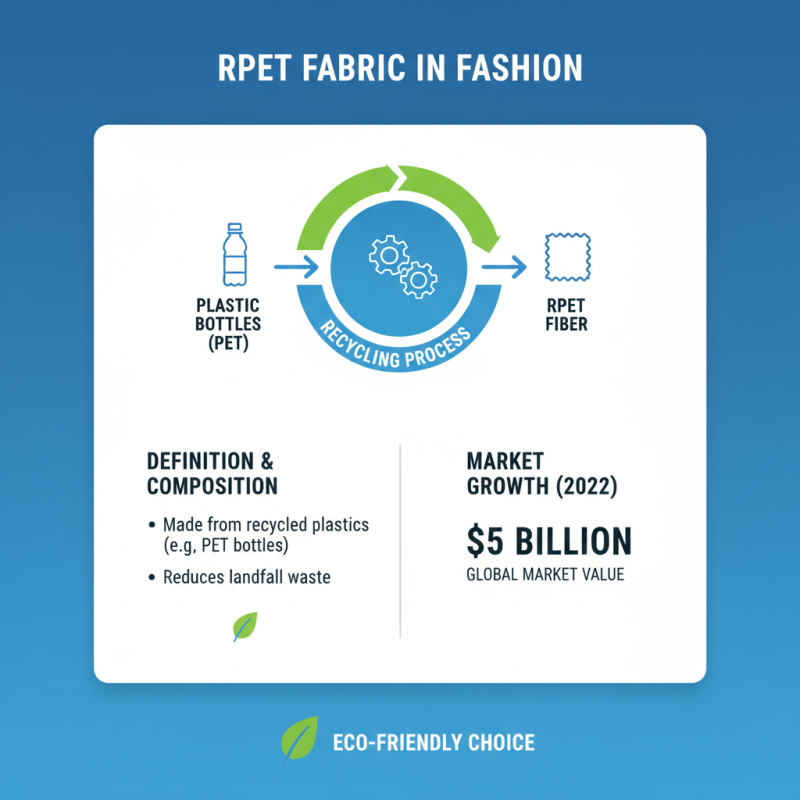
RPET fabric, or recycled polyethylene terephthalate, is making waves in the fashion industry. This material is derived from recycled plastics, often PET bottles. It’s an eco-friendly choice that reduces waste. In 2022, the global RPET market was valued at approximately $5 billion, showcasing its growing relevance.
The composition of RPET fabric is primarily polyester, which retains the durability and softness of virgin polyester. Industry reports indicate that RPET production can reduce carbon emissions by up to 70% compared to conventional polyester. However, challenges remain. The recycling process is not without flaws. Contaminants can affect the quality, leading to fabric that may not meet all consumer expectations.
Fashion brands are increasingly adopting RPET, yet the awareness of its benefits is still low among consumers. Many are unaware of the environmental impact of their clothing choices. This gap offers a compelling opportunity for educational initiatives. Organizations estimate that, by 2026, RPET fabric could account for 40% of the polyester market. Nevertheless, sustainable sourcing and recycling processes must improve to fully realize this potential.
Environmental Impact of RPET Fabric Compared to Traditional Materials
RPET fabric, made from recycled plastic bottles, is gaining traction in the fashion industry. Unlike traditional materials, RPET significantly reduces waste. It decreases the need for virgin polyester, which contributes to oil extraction and pollution.
Each ton of RPET production can save approximately 3.2 tons of carbon emissions. This is crucial in 2026, as climate-conscious consumers demand sustainable options.
However, RPET is not without its flaws. The recycling process can still use energy and water, raising questions about its overall sustainability. Some argue that the quality of RPET may not match that of virgin polyester.
The texture and feel can differ, leading to mixed opinions among designers and consumers alike. Despite these concerns, the environmental benefits are undeniable when considering the impact of waste from traditional fibers.
Fashion's shift toward RPET is essential, but it's not perfect. We must continually evaluate its processes and find ways to improve them. As the industry evolves, adopting RPET fabric could be a step toward a more sustainable future.
Yet, we should keep pushing for advancements that make this fabric even more eco-friendly.
Applications of RPET Fabric in 2026 Fashion Trends
RPET fabric is gaining traction in the fashion industry, especially for the 2026 trends. This material is made from recycled PET plastic bottles, a sustainable alternative to traditional fabrics. According to a recent industry report, the global RPET market is projected to reach $5 billion by 2026, highlighting its growing importance. Brands are increasingly utilizing RPET for clothing, accessories, and home textiles, aiming to reduce waste and promote eco-friendliness.
In 2026, RPET will dominate various fashion applications. The athleisure segment is particularly noteworthy, as consumers seek sustainable activewear. Fashionful designs combined with functional attributes make RPET a preferred choice. For example, many garments made from RPET are lightweight and moisture-wicking, which appeals to eco-conscious athletes. Moreover, 70% of fashion companies aim to incorporate recycling practices into their operations, reflecting a significant shift towards sustainability.
However, not everything is perfect. The production of RPET can still produce carbon emissions and energy usage challenges. It’s essential for the industry to continually innovate and address these issues. There are concerns about the durability and quality of RPET fabrics compared to virgin materials. As we move closer to 2026, it’s crucial for brands and consumers to reassess their manufacturing choices. Reducing the impact on the planet should remain a priority.
Benefits of Using RPET Fabric for Sustainable Fashion Brands
RPET fabric, made from recycled PET bottles, is gaining attention in the fashion industry. It offers a sustainable alternative to conventional fabrics. Using RPET reduces waste, which is a pressing issue today. Many brands are turning to this material to lessen their impact on the environment.
The benefits of RPET fabric extend beyond recycling. This fabric is durable and lightweight, making it suitable for various fashion items. It often feels similar to traditional polyester. The vibrant colors and patterns can attract consumers. Yet, there are challenges. Not all RPET fabrics are created equal. Some may still contain traces of virgin materials, which dilutes sustainability efforts.
Sustainable fashion brands face the task of educating consumers. It’s vital to communicate the importance of RPET in reducing landfill waste. However, not everyone understands the environmental impact of their choices. Therefore, brands must engage in transparent practices. This can help in building trust and encouraging more mindful purchases.
Future Prospects of RPET Fabric in Fashion Industry Innovations
RPET fabric, made from recycled PET bottles, is gaining traction in the fashion industry. By 2026, it is expected to dominate sustainable textiles. According to a report by Research and Markets, the global RPET market is projected to reach $9.13 billion by 2025. This growth is fueled by rising consumer demand for eco-friendly products.
The integration of RPET in fashion reflects a shift toward sustainability. However, challenges remain. The recycling process can be energy-intensive, sometimes offsetting environmental benefits. Brands must focus on improving production methods to minimize waste. Additionally, not all consumers understand the value of RPET. Education and transparency are crucial for market acceptance.
Future innovations in RPET fabric include blending it with organic cotton or hemp. These blends can offer enhanced durability and comfort. The potential to create high-performance activewear is significant. Yet, brands must ensure the life cycle of these products is sustainable. As the industry evolves, the focus on circular fashion will be essential. Tracking the impact of RPET through various stages is key to achieving true sustainability.