What is Silk Satin Fabric? An In-Depth Guide to Quality, Uses, and Care
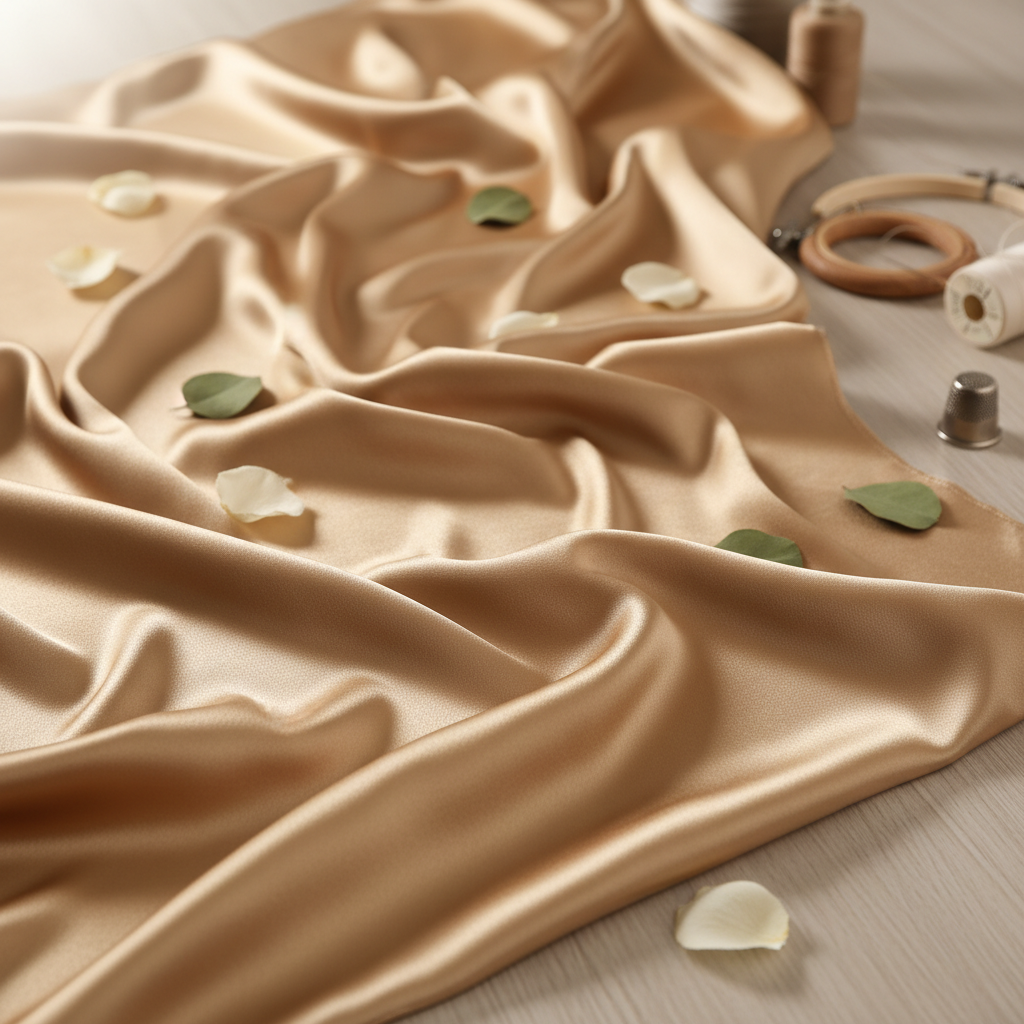
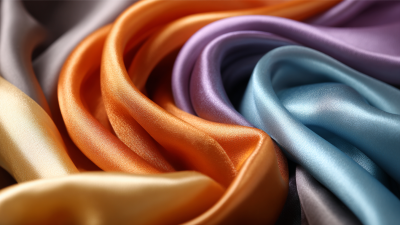
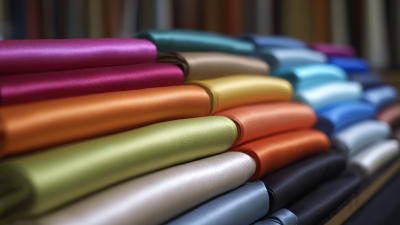
Silk satin fabric is a luxurious and versatile material that has captivated fashion designers and consumers alike for centuries. Renowned for its intricate sheen and soft texture, silk satin is a favorite choice for everything from evening gowns to high-end upholstery. According to Dr. Emily Turner, a leading expert in textile science, “Silk satin fabric embodies elegance and sophistication, making it a timeless choice for various applications in fashion and décor.”
In this comprehensive guide, we will delve into the quality, uses, and care of silk satin fabric, equipping you with the knowledge needed to appreciate and maintain this exquisite textile. Understanding the origins and properties of silk satin will not only enhance your purchasing decisions but also empower you to care for your garments and home textiles properly.
Whether you are a fashion enthusiast, a seamstress, or simply someone who appreciates fine materials, this exploration of silk satin fabric promises to enlighten and inspire. Join us as we uncover the captivating world of silk satin and its many luxurious possibilities.
Understanding Silk Satin Fabric: Composition and Characteristics
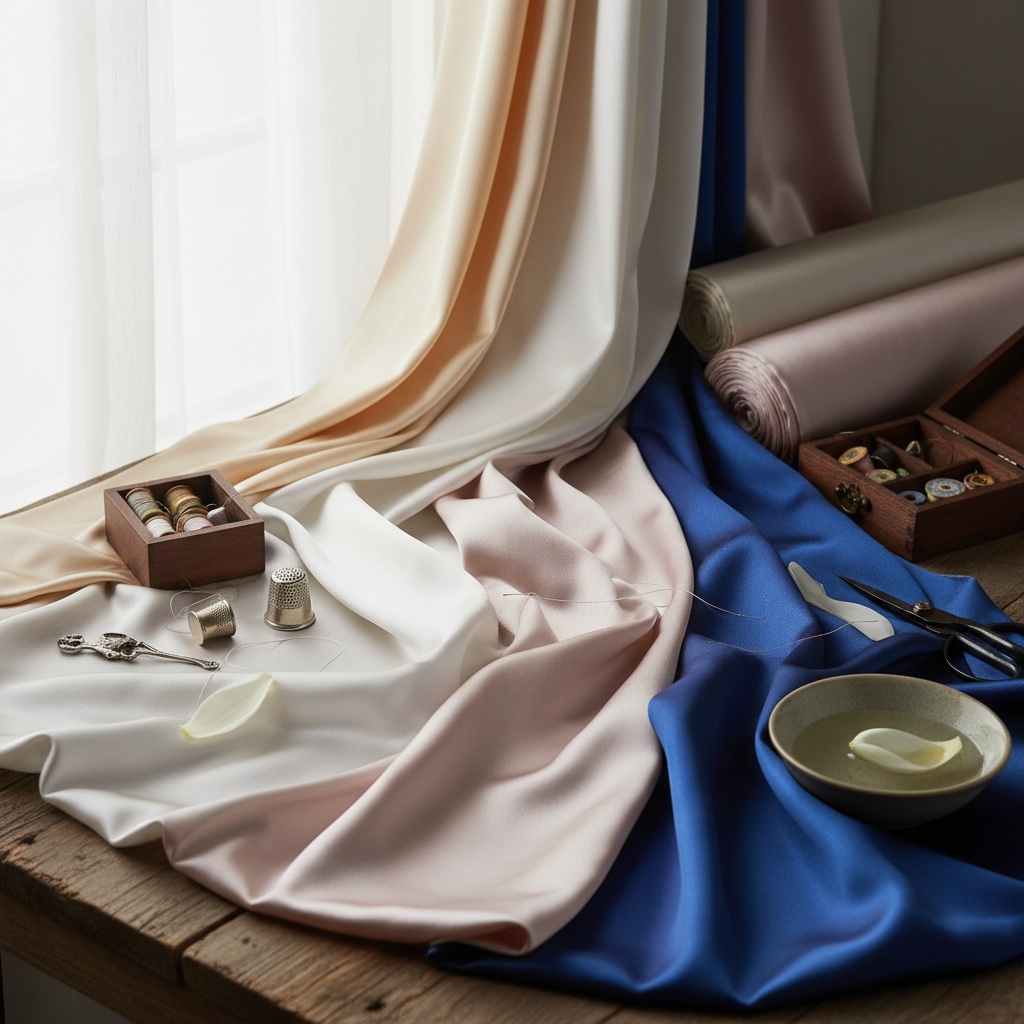 Silk satin fabric is renowned for its luxurious feel and high-gloss finish, resulting from its unique weaving technique that combines the smoothness of silk with the sheen characteristic of satin. Comprising primarily of natural silk fibers, this fabric typically contains around 90% silk, with the remaining percentage often made up of synthetic fibers like polyester to enhance durability. According to the Textile Industry Association, the global silk market is projected to reach a value of $18 billion by 2025, thanks in part to the increasing popularity of silk-based fabrics, including silk satin.
The characteristics of silk satin go beyond just aesthetics. The fabric has a soft drape and exhibits excellent breathability, making it suitable for various applications, from evening gowns to luxury bed linens. Its thermal properties allow it to keep the wearer cool in warm weather while providing warmth in colder climates. A study published in the Journal of Textile Science highlights that silk fabrics can absorb up to 30% of their weight in moisture, providing comfort and reducing irritation against the skin. This unique combination of qualities makes silk satin a favored choice among designers and consumers alike, ensuring its place in the fashion industry for years to come.
The Historical Significance of Silk Satin in Fashion and Textiles
Silk satin fabric has a rich history that intertwines with the evolution of fashion and textiles. Originating in ancient China, silk was initially reserved for royalty and the elite due to its luxurious feel and labor-intensive production process. By the time it reached Europe in the Middle Ages, silk satin became synonymous with opulence. According to a report by the Textile Exchange, the global silk market, valued at approximately $18.3 billion in 2020, highlights the enduring popularity and significance of silk fabrics in the high-end fashion sector.
Throughout history, silk satin has played a pivotal role in defining fashion trends. The fabric’s smooth surface and reflective qualities make it a favorite for formal wear and evening gowns. In the 18th century, it was widely used in creating garments for the affluent, paving the way for the lavish styles of the Victorian era. A study from the Fashion Institute of Technology notes that silk satin’s allure endures, with a projected growth rate of 4.5% annually in luxury textiles, indicating a sustained demand within the industry. This enduring appreciation of silk satin underscores its historical significance and vital role in shaping contemporary fashion.
Silk Satin Fabric Characteristics and Uses
Quality Grades of Silk Satin: How to Identify Top-tier Fabrics
When selecting silk satin fabric, understanding its quality grades is crucial for choosing the best material for your needs. The highest quality silk satin is made from pure mulberry silk, exhibiting a luxurious sheen and a soft, smooth texture. Look for a fabric that drapes well and feels lightweight yet durable. A grade may also refer to the density of the fabric; higher-density silks will be heavier and more opaque, indicating greater durability and better quality.
**Tips**: When shopping for silk satin, always check the weave and feel. Gently run your fingers across the fabric; high-quality silk satin should feel cool and smooth. Furthermore, check for any irregularities in the weave, which can indicate lower quality. Additionally, pay attention to the label; reputable manufacturers will provide details about the silk's origin and grading.
Another way to identify top-tier silk satin is by examining its luster. Premium silk satin reflects light beautifully, giving it a radiant appearance. Avoid fabrics that appear dull or have a rough texture, as these often suggest inferior quality. Remember, high-quality silk satin will maintain its beauty even after multiple washes if cared for properly.
**Tips**: Always follow care instructions meticulously. Hand washing or using a gentle cycle with cold water is recommended to preserve the fabric's luster. Avoid exposure to direct sunlight, as this can fade the vibrant colors over time. These practices will ensure your silk satin remains as exquisite as the day you acquired it.
Common Uses of Silk Satin in Apparel and Interior Design
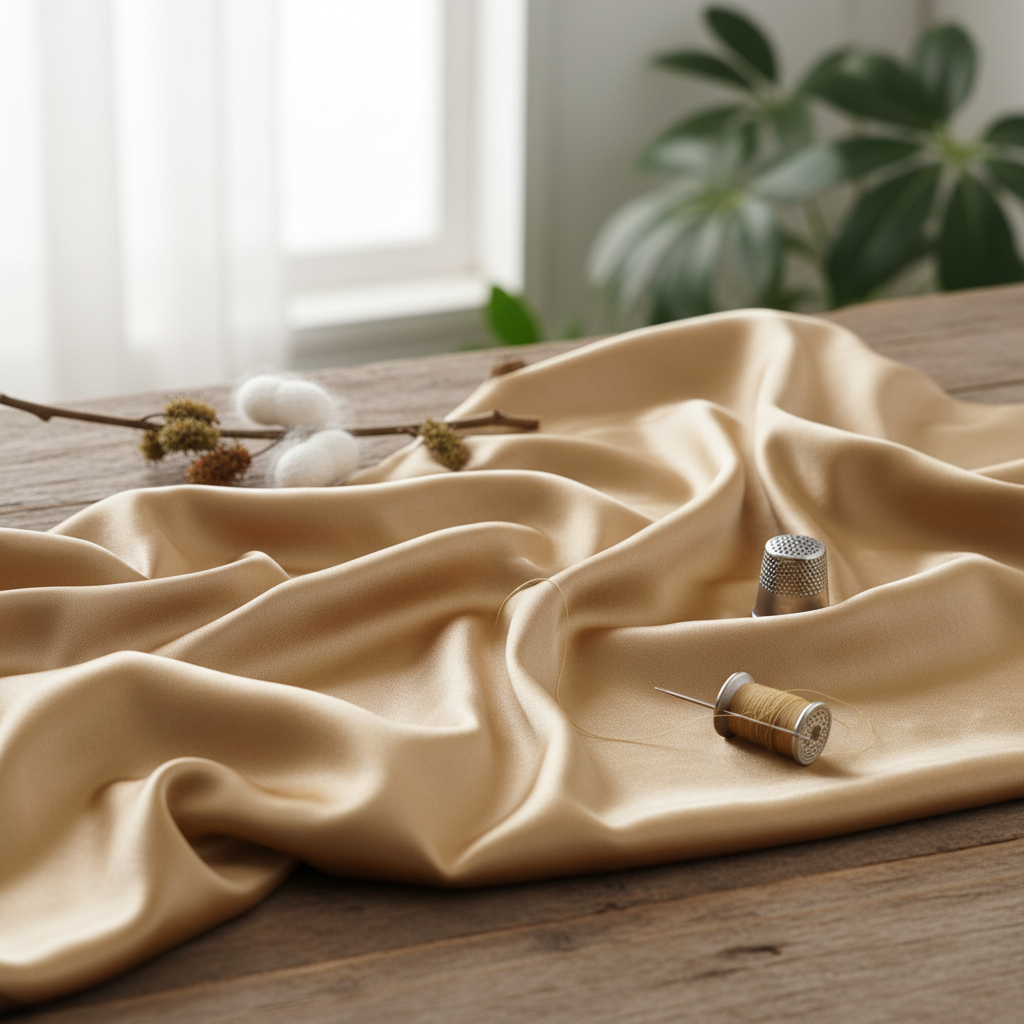
Silk satin fabric is highly sought after in both apparel and interior design for its luxurious texture and aesthetic appeal. In fashion, silk satin is often utilized in elegant dresses, blouses, and accessories, providing a graceful drape and a soft sheen that enhances the wearer's appearance. Recently, this fabric has gained popularity in items like satin-lined beanies, which not only keep hair looking smooth and frizz-free during the colder months but also add a stylish touch to winter attire.
In the realm of interior design, silk satin's use extends to upholstery and decorative accents. Its rich, lustrous finish can elevate the look of a room, making it a favored choice for cushions, curtains, and throw pillows that bring a sense of opulence to a space. The recent unveiling of designer collaborations emphasizes how fashion and interior design continue to intersect, creating a dynamic environment where silk satin plays a pivotal role in enhancing both personal style and home aesthetics.
Essential Care Tips for Maintaining the Quality of Silk Satin Fabrics
Silk satin fabric, renowned for its luxurious sheen and soft texture, requires special care to maintain its quality over time. When washing silk satin, it is advisable to use cold water and a gentle detergent specifically designed for delicate fabrics. Avoid machine washing whenever possible; instead, opt for hand washing to minimize the risk of damage. If you must use a washing machine, select the delicate cycle and place the fabric in a mesh laundry bag to offer an additional layer of protection.
Drying silk satin should also be approached with caution. Never wring or twist the fabric, as this can lead to unsightly creases and damage. Instead, lay the fabric flat on a clean, dry towel and gently press to absorb excess moisture. When it comes to ironing, use a low heat setting and place a cloth between the iron and the satin to prevent direct contact, which can scorch the fabric. With these essential care tips, you can enjoy the beauty of silk satin while preserving its exquisite quality for years to come.
What is Silk Satin Fabric? An In-Depth Guide to Quality, Uses, and Care
| Dimension |
Details |
| Material |
Silk blended with polyester |
| Features |
Soft, smooth, glossy finish |
| Common Uses |
Dresses, lingerie, linings, bedding |
| Care Instructions |
Dry cleaning recommended; hand wash with mild detergent |
| Durability |
Moderate, can snag easily |
| Color Retention |
Excellent; colors remain vibrant |
| Breathability |
Good, allows airflow |