What is Stretch Fabric and How to Choose the Right One for Your Needs
Stretch fabric has become an essential material in various industries, significantly impacting fashion, athletics, and interior design. This innovative fabric is characterized by its ability to stretch and recover its shape, offering unparalleled comfort and versatility. As demand for activewear and tailored clothing grows, understanding the properties of stretch fabric is crucial for both consumers and designers alike. Whether you are selecting materials for a new clothing line or looking for the perfect fabric for a personal project, recognizing the different types of stretch fabric available on the market is key to making an informed decision.
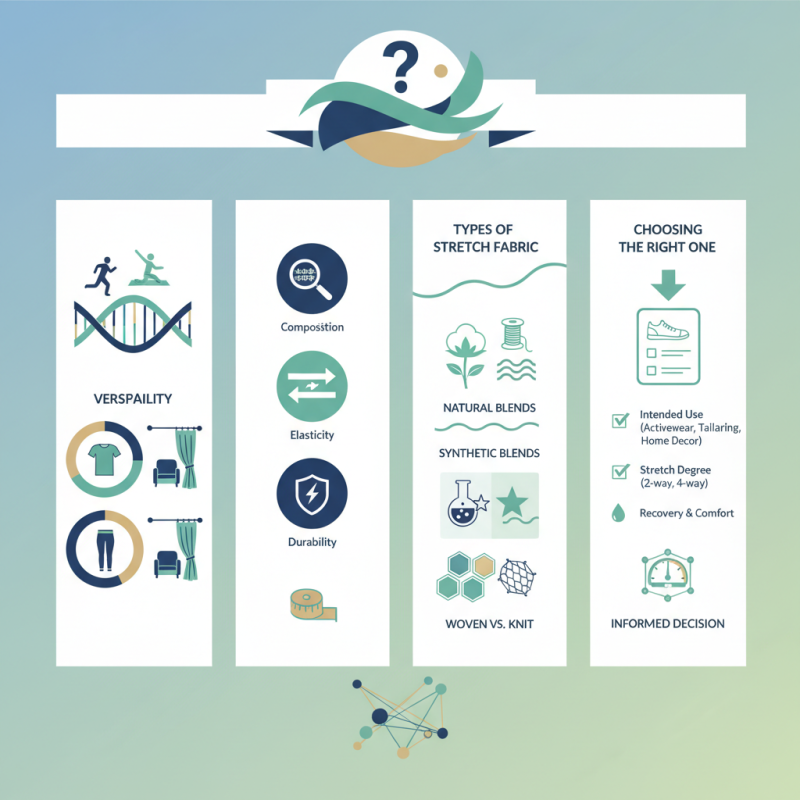
Choosing the right stretch fabric involves considering several factors, such as composition, elasticity, durability, and intended use. Different blends of fibers can affect how a fabric performs, while varying degrees of stretch can provide distinct benefits for diverse applications. This guide aims to explore the intricacies of stretch fabric, offering insights into its various types and features, as well as tips on how to choose the most suitable option for your specific needs. With the right knowledge, you can confidently navigate the world of stretch fabrics and select materials that enhance both aesthetic appeal and functionality in your projects.
Understanding Stretch Fabric: Definition and Characteristics
Stretch fabric is a type of textile known for its ability to elongate and return to its original shape, which makes it ideal for a wide range of applications, from activewear to casual clothing. These fabrics are typically made from materials such as spandex, elastane, or a blend with other fibers. According to a report by Technavio, the global stretch fabric market is expected to grow by over 9% annually between now and 2026, highlighting the increasing demand for innovative clothing options that offer comfort and flexibility.
When selecting the right stretch fabric for your needs, it’s important to consider its characteristics, such as elasticity, breathability, and durability. Fabrics with a higher percentage of spandex will offer more stretch, but they may also retain heat, making them less suitable for warmer climates. On the other hand, woven stretch fabrics provide more structure and can be a great choice for tailored garments. The key is to match the fabric properties with the intended use of the clothing.
Tips: Always check the fabric composition; for high-intensity activities, opt for materials that combine stretch with moisture-wicking properties. Additionally, consider the weight of the fabric; lighter fabrics are better for layering, while heavier ones provide more coverage and support. Lastly, always test the stretch and recovery of the fabric; a good stretch fabric should return to its original shape after being stretched.
Types of Stretch Fabrics: A Comprehensive Overview
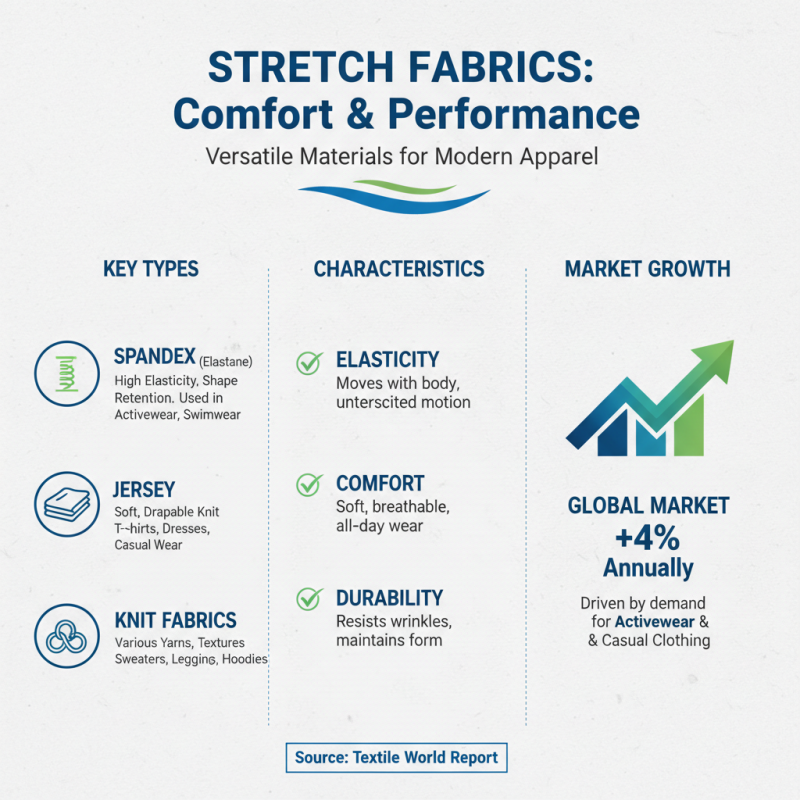
Stretch fabrics are a versatile category encompassing various materials that offer elasticity and comfort, making them popular in both fashion and functional apparel. The primary types of stretch fabrics include spandex (or elastane), jersey, and knit fabrics. According to a report by Textile World, the global market for stretch fabrics is expected to grow by over 4% annually, driven by the rising demand for comfortable and performance-oriented clothing.
Spandex, often blended with other fibers, is renowned for its exceptional elasticity, allowing garments to maintain their shape even under rigorous use. Jersey fabrics, made from interlocking knit stitches, provide a soft feel and good drape, suitable for casual wear and activewear. Additionally, knit fabrics come in various forms, including ribbed and interlock, which enhance breathability and overall comfort. The choice of fabric largely depends on the intended use; for instance, activewear typically requires moisture-wicking properties, while fashion apparel may prioritize aesthetic appeal. Understanding the specific qualities and uses of these stretch fabrics can lead to better performance and satisfaction for consumers.
Key Factors to Consider When Choosing Stretch Fabric
When choosing the right stretch fabric, several key factors should be considered to ensure it meets your specific needs. First and foremost, the type of yarn used in the fabric significantly influences its elasticity and durability. Fabrics made with spandex or elastane typically offer excellent stretch, making them ideal for activewear and fitted garments. Understanding the blend of materials is crucial; for instance, a cotton-spandex blend provides both comfort and flexibility, while synthetic fibers may offer added strength and moisture-wicking properties.
Another important factor is the fabric's weight and thickness, as these characteristics affect its drape, opacity, and suitability for different applications. Light-weight stretch fabrics are great for layering and breathable clothing, while heavier options might be better for structured garments. Additionally, consider the fabric's recovery ability, which determines how well it returns to its original shape after being stretched. Finally, pay attention to the fabric's care requirements and overall feel; comfort against the skin and maintenance ease can significantly influence your choice, especially for everyday wear.
Applications of Stretch Fabric in Various Industries
Stretch fabrics are increasingly utilized across various industries, thanks to their unique properties that offer both comfort and flexibility. In the fashion and apparel sector, for instance, the global market for stretch fabrics was valued at approximately $15 billion in 2021 and is projected to grow at a CAGR of 7% through 2027. These fabrics are particularly popular in activewear, where the demand for movement-friendly materials is crucial. The ability to stretch without losing shape makes these fabrics ideal for sportswear, yoga apparel, and outerwear, providing consumers with both functionality and style.
In the healthcare industry, stretch fabrics are pivotal in the development of medical applications such as surgical gowns and patient garments. According to a report by the Textile Research Journal, the use of stretchable materials in medical textiles enhances patient comfort and mobility while also maintaining protective barriers against infections. Additionally, the automotive sector has embraced stretch fabrics for seat covers and interior linings, where durability and comfort are essential. The global automotive textiles market is expected to surpass $30 billion by 2025, with stretch fabrics playing a significant role in meeting consumer expectations for high-performance and aesthetically pleasing interiors.
What is Stretch Fabric and How to Choose the Right One for Your Needs - Applications of Stretch Fabric in Various Industries
| Application Area |
Common Characteristics |
Examples of Use |
Suitable Fabrics |
| Athletic Wear |
Breathable, moisture-wicking, high elasticity |
Leggings, sports bras, running shorts |
Spandex blends, polyester-elastane |
| Fashion Clothing |
Soft, stylish, form-fitting |
Dresses, tops, fitted suits |
Lycra, jersey stretch fabric |
| Medical Textiles |
Durable, skin-friendly, easy to clean |
Compression garments, surgical clothing |
Nylon-elastane, polyester-spandex |
| Home Textiles |
Flexible, easy to maintain, aesthetic |
Cushion covers, curtains, bedding |
Stretch velvet, elastic cotton blends |
| Industrial Applications |
Resistant to wear, versatile usage |
Protective gear, safety jackets |
Nylon-cotton blends, heavy-duty elastane |
Care and Maintenance Tips for Stretch Fabric Items
When caring for stretch fabric, proper maintenance is essential to preserve its elasticity and appearance. Firstly, always check the care label for specific washing instructions. Generally, it's advisable to wash stretch fabric items in cold water to prevent shrinking and fading. Machine washing on a gentle cycle or hand washing can help maintain the fabric’s integrity. Additionally, avoid using harsh detergents; instead, opt for a mild detergent that will clean effectively without damaging the fibers.
Drying stretch fabric properly is just as important as washing it. To prevent overstretching, air drying is recommended, as high heat from dryers can lead to loss of elasticity. If you must use a dryer, select a low heat setting and remove the items while they are still slightly damp. When storing stretch fabric garments, ensure they are hung in a way that avoids creasing or stretching out of shape. By following these care tips, you can extend the life of your stretch fabric items while keeping them looking great.