
Leave Your Message

7 Tips for Buying Silk Satin Fabric Wholesale

Buying Silk Satin Fabric wholesale is not simply a search for the lowest meter price. It is a material decision involving fiber quality, weave construction, finishing, supply reliability, and customer expectations. The Textile Exchange Materials Market Report 2024 states that global fiber production reached approximately 124 million tonnes in 2023 and may approach 160 million tonnes by 2030. That growth increases pressure on traceability and responsible sourcing, even for premium silk products. Silk remains a smaller, specialized category, so inconsistent batches can affect costs quickly.

A practical buying process should examine more than photographs. Check fiber composition, momme weight, satin face, reverse texture, width, shrinkage, colorfastness, and crease recovery. Request a physical sample. Touch it under daylight. Some fabrics look luxurious online but feel thin, oily, or uneven in person. The International Textile Manufacturers Federation regularly highlights supply-chain transparency and production efficiency as continuing industry concerns. These issues matter when evaluating mills, exporters, and private-label suppliers.

This guide presents seven useful tips for wholesale purchasing. It covers supplier verification, sample testing, pricing, minimum order quantities, certifications, packaging, and delivery planning. A reliable supplier should provide clear specifications, test documentation, and consistent communication. However, no checklist removes every risk. Even experienced buyers can overlook shade variation or finishing differences between lots. I have found that written specifications prevent many disputes, but they do not replace inspection. That small gap deserves attention. Careful comparison, realistic margins, and independent quality checks can help buyers secure Silk Satin Fabric that performs beautifully after production, not only during the first sales conversation.

7 Tips for Buying Silk Satin Fabric Wholesale

Understanding Silk Satin Types and Quality Grades

7 Tips for Buying Silk Satin Fabric Wholesale

Silk satin describes a weave, not a separate fiber. Its smooth face reflects light, while the reverse feels duller. Common types include lightweight charmeuse, medium-weight silk satin, and structured duchesse satin. Charmeuse drapes around the body. Duchesse holds shape for gowns, bows, and formal details.

Momme measures fabric weight, not total quality. A 16–19 momme satin usually feels fluid and delicate. A 22–25 momme fabric offers more body and abrasion resistance. Higher momme is not automatically better. I once preferred a heavier sample, then found its stiffness unsuitable for gathered sleeves. Test the intended design.

Quality grades require caution. Some suppliers use A, B, and C classifications for raw silk, but grading language is not globally standardized. Ask for measurable details instead. Check fiber content, momme, width, shrinkage, colorfastness, and defect tolerance. Rub a swatch against a white cloth. Inspect slubs, pulled threads, uneven dye, and cloudy areas under daylight.

Textile Exchange’s Materials Market Report 2024 places silk below 0.2% of global fiber production, making consistent sourcing more specialized. The International Sericultural Commission also identifies Asia as the dominant raw-silk production region. Request a current laboratory report when volume is significant. Include the approved sample with your purchase order. Small differences matter. A 2-centimeter width loss can disrupt cutting plans, although suppliers may overlook it. Ask about grading before negotiating price.
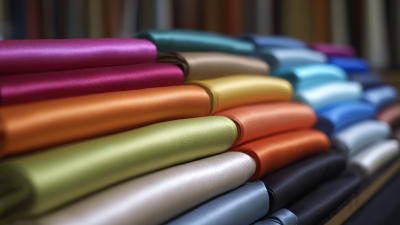

Checking Fiber Content, Weave, Weight, and Fabric Finish

7 Tips for Buying Silk Satin Fabric Wholesale

Checking Fiber Content, Weave, Weight, and Fabric Finish

When buying silk satin wholesale, request a detailed fiber-content sheet before discussing price. Pure silk usually feels warm, smooth, and slightly elastic under gentle pressure. Blended satin can be practical, but the percentages must be clearly stated. Ask whether the yarn is filament silk, spun silk, or mixed with synthetic fibers. A small burn or chemical test should only be handled by qualified professionals. Never rely on shine alone.

Study the weave closely under bright, natural light. Satin uses a floating-yarn structure, which creates its glossy face and softer reverse. Look for uneven floats, pulled threads, or visible slubs across several areas. Weight matters too. Compare fabric samples by grams per square meter, not by hand feel. Lightweight satin may suit scarves, while heavier cloth can support dresses or structured details. Test drape, opacity, and seam behavior after folding.

The finish can change the fabric more than expected. Ask whether it is dyed, piece-washed, brushed, coated, or treated for wrinkle resistance. Rub a white cotton cloth across the surface and check for color transfer. Place a sample near a window to inspect shade consistency. Request shrinkage results after washing, even when the supplier says the fabric is stable. I once focused on color and missed a weak selvedge. That mistake affected cutting efficiency. Sample testing is slower, but wholesale savings disappear quickly when defects repeat.

Comparing Wholesale Suppliers, Prices, and Minimum Order Quantities

Wholesale silk satin purchasing demands more than comparing a sample price. Textile Exchange’s Materials Market Report 2024 recorded global fiber production above 120 million tonnes in 2023, while silk remained below 0.2 percent. This scarcity can affect lead times and pricing. The International Sericultural Commission reported global raw silk output at roughly 177,000 tonnes in 2023. Ask suppliers whether prices cover weaving, dyeing, inspection, and shipping.

Tip 1: Compare identical specifications. A 19-momme, 100% silk satin should not compete directly with a lighter blend. Request fabric width, weight, composition, finish, and colorfastness results. Sample three rolls if possible. A hand sample can hide uneven density. I learned that the hard way.

Tip 2: Study minimum order quantities beside unit prices. One supplier may quote 100 meters at a higher rate, while another requires 1,000 meters for a lower price. Calculate landed cost, including sampling, freight, duties, and rejected meters. Tip 3: Negotiate a trial order with clear tolerances. For regular production, ask about replenishment time and shade consistency. Textile Exchange also stresses traceability and credible material claims, so request fiber documentation and transaction records. A low quote is not always economical. Supplier reliability matters more after the first shipment.

7 Tips for Buying Silk Satin Fabric Wholesale: Supplier, Price, and MOQ Comparison

This benchmark compares common anonymous wholesale purchasing options for silk satin fabric. Factory-direct orders typically offer lower prices but require higher minimum quantities, while stock wholesalers and small-batch suppliers provide greater flexibility at a higher cost. Final pricing depends on silk content, momme weight, width, finishing, certification, customization, and shipping terms.

Requesting Samples and Verifying Color, Width, and Defect Standards

When buying silk satin fabric wholesale, request a physical sample before discussing a large shipment. A screen can make ivory look white, while warehouse lighting may hide a yellow cast. Ask for a sample cut from current production, not only an old showroom piece. Keep the swatch beside your approved color card and photograph both in daylight. Small details matter.

Confirm usable width in writing, measured from selvage to selvage. Then ask for the minimum usable width after trimming damaged edges. A roll labeled 55 inches may provide less fabric for cutting. Request the weight, weave direction, finish, and expected tolerance. These details help your pattern team estimate yield accurately. I once trusted a stated width and lost several centimeters per panel. That mistake was avoidable, but it changed my inspection routine.

Defect standards need numbers, not polite promises. Ask how holes, slubs, stains, snags, shade variation, and creases are recorded. Request the inspection method, acceptable points, defect spacing, and claim deadline. A four-point system can help, but both parties should define its application. Mark defects on the inspection report and keep retained samples from each lot. If the supplier resists written criteria, pause the order. Still, samples cannot reveal every production issue. Use a small trial order when budget and timing allow. This is less convenient, yet often more reliable.

Reviewing Customization, Shipping Terms, and Supplier Reliability

7 Tips for Buying Silk Satin Fabric Wholesale

Customization matters more than a glossy sample. Ask for the silk content, satin weave, width, weight, dye method, and finish in writing. Request a lab dip and a 1–2 meter pre-production sample. Check it under daylight. Color can shift badly under showroom lighting. Textile Exchange’s Materials Market Report 2024 reports that global fiber production reached 124 million tonnes in 2023 and may reach 160 million tonnes by 2030. This scale makes traceable material information increasingly important, even for niche silk orders. A small mistake in fiber content can affect drape, shrinkage, and care labels.

Shipping terms deserve equal attention. Under ICC Incoterms 2020, clarify who pays freight, insurance, customs charges, and delivery risks. Do not accept “shipping included” as a complete offer. Sea transport carries over 80% of global merchandise trade by volume, according to UNCTAD’s Review of Maritime Transport. Port delays can still damage production schedules. Set a latest dispatch date, carton standards, and a remedy for late delivery. Supplier reliability should be measured, not assumed. Request recent test reports, production photos, references, and records for on-time delivery, shade consistency, and defect rates. ISO 2859-1 can guide inspection sampling. I once trusted a perfect sample too quickly. Bulk fabric showed uneven sheen. Build inspection into the purchase order. That extra step is not wasteful.

7 Tips for Buying Silk Satin Fabric Wholesale - Reviewing Customization, Shipping Terms, and Supplier Reliability

Tip Key Dimension to Review Practical Wholesale Check Questions to Ask the Supplier Reliable Buying Signal
1 Confirm the Fiber Content Material
Verify whether the satin is 100% silk or a silk blend.
Request the fiber composition in writing. Silk satin describes a smooth satin weave, while the fiber itself may be silk, polyester, viscose, or a blend. Is the fabric made from mulberry silk, another silk type, or mixed fibers? Can you provide a fiber-content specification or test report? Clear composition details
The supplier provides consistent information on the quotation, product sheet, sample, and packing documents.
2 Compare Weight and Width Specifications
Check GSM or momme, usable width, construction, and finish.
Compare samples using the same measurement method. Momme is commonly used for silk fabric weight, while GSM is used across many textile categories. Confirm whether the stated width includes selvage. What are the finished width, weight tolerance, weave structure, and finishing process? Is the listed width usable after finishing? Written tolerances
A dependable supplier states measurable specifications instead of describing the fabric only as “premium” or “luxury.”
3 Test Customization Options Customization
Review color matching, printing, dyeing, coating, and finishing.
Ask for a lab dip or strike-off before bulk production. Confirm color references, acceptable shade variation, print repeat, hand feel, and whether customization changes the MOQ or lead time. Can you match a physical color standard? What is the sampling charge, approval process, production tolerance, and charge for custom finishing? Approval before production
The supplier documents approved samples and does not begin customized bulk production without written confirmation.
4 Calculate the True MOQ Order Planning
Separate MOQ by color, design, finish, and total order.
A supplier may quote one MOQ for stock fabric and another for custom dyeing or printing. Confirm whether the MOQ is measured in meters, yards, kilograms, rolls, or colorways. What is the MOQ for stock colors, custom colors, custom prints, and special finishes? Can multiple colors be combined in one production order? Transparent cost structure
The quotation separates fabric price, sampling, setup, dyeing, testing, packaging, and any small-order surcharge.
5 Review Shipping Terms Logistics
Compare Incoterms, transport mode, documents, insurance, and delivery responsibility.
FCA, FOB, CIF, and DDP assign different costs and responsibilities. Confirm the named place or port, export clearance, freight, insurance, import duties, and local delivery obligations. Which Incoterm and named location are included? Who arranges export documents, cargo insurance, customs clearance, duties, and final delivery? All-in landed-cost comparison
The buyer compares the total delivered cost, not only the fabric price, and receives a clear commercial invoice and packing list.
6 Verify Quality Control Quality
Inspect shade, width, weight, defects, colorfastness, shrinkage, and hand feel.
Request a pre-production sample and, where appropriate, a pre-shipment inspection. Agree on the inspection method, defect classification, roll identification, and acceptable tolerance before ordering. Which tests are available for colorfastness, dimensional change, seam performance, and composition? How are defects recorded and corrected? Traceable batch control
Each roll or lot can be linked to production records, inspection results, and the approved reference sample.
7 Check Supplier Reliability Supplier Review
Assess communication, capacity, documentation, payment terms, and after-sales support.
Start with samples or a small trial order. Check whether replies are consistent, dates are realistic, specifications remain stable, and problems are handled with a documented corrective action. What is the standard production lead time? How are delays, shortages, shade differences, or claims handled? Can you provide recent non-confidential quality records? Consistent performance
The supplier communicates changes early, confirms details in writing, uses secure payment procedures, and provides a practical claim-resolution process.