Silk Satin Fabric Tips for Choosing and Caring for It?
When it comes to choosing and caring for Silk Satin Fabric, expert Elaine Thompson emphasizes, “Quality matters in every thread.” Silk satin, known for its luxurious feel and sheen, requires special attention. While the allure of this fabric is undeniable, many overlook its delicate nature.
In selecting Silk Satin Fabric, look for weight and drape. A heavier silk often indicates better quality. Additionally, pay attention to the weave. A tightly woven fabric will hold its shape beautifully, enhancing your outfit's elegance. Caring for silk satin can be a challenge. It is essential to hand wash or dry clean to preserve its softness.
Some might underestimate the impact of proper care. Failing to do so can lead to irreversible damage. Silk satin is sensitive to sunlight and should be stored away from direct light. With mindful selection and care, this luxurious fabric can add sophistication to your wardrobe. Remember, it’s about the details that make the fabric shine.
Understanding Silk Satin Fabric: Characteristics and Benefits
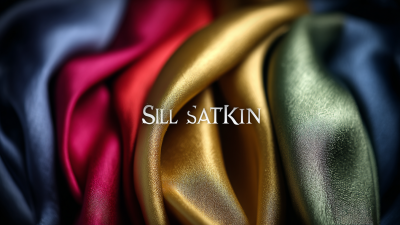
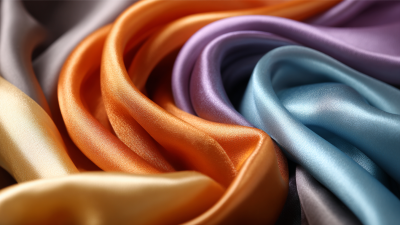
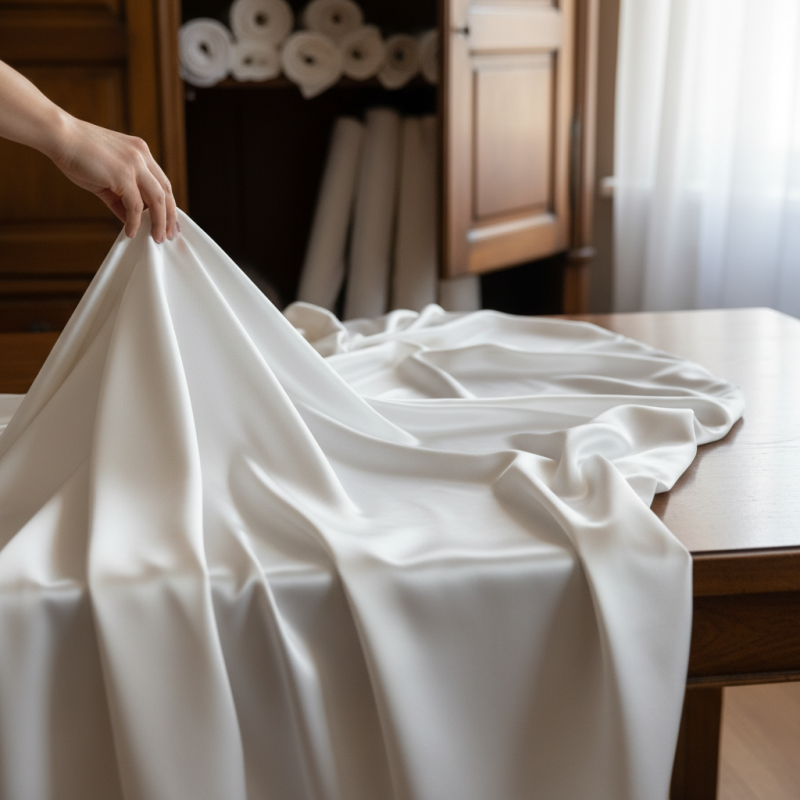
Silk satin fabric is a luxurious choice adored by many. Its smooth texture feels divine against the skin. The fabric has a unique sheen that catches the light beautifully. This results in an elegant look that’s hard to ignore. While many cherish its beauty, it's essential to be aware of its delicate nature. Silk satin can be sensitive to wear and tear. Proper care is crucial for maintaining its charm.
One of the standout characteristics of silk satin is its breathability. This makes it perfect for various garments and occasions. However, it can be prone to snagging. A sharp object may risk damaging this exquisite fabric. Additionally, silk satin often requires dry cleaning. Washing it at home might lead to colors fading. The sheen can diminish, losing that captivating quality. When selecting silk satin garments, pay attention to the weave and weight. A heavier satin might be a better choice for durability. Yet, it may compromise the lightness people love.
Not all silk satin is created equal. Different grades vary in quality. Higher-grade silk satin offers a more lustrous finish and durability. However, it can be more expensive. A lower-grade option might be more budget-friendly but may lack that signature shimmer. Finding the right balance between cost and quality is essential. Each choice comes with reflections on utility and aesthetics.
Silk Satin Fabric Characteristics and Benefits
Factors to Consider When Choosing Silk Satin Fabric
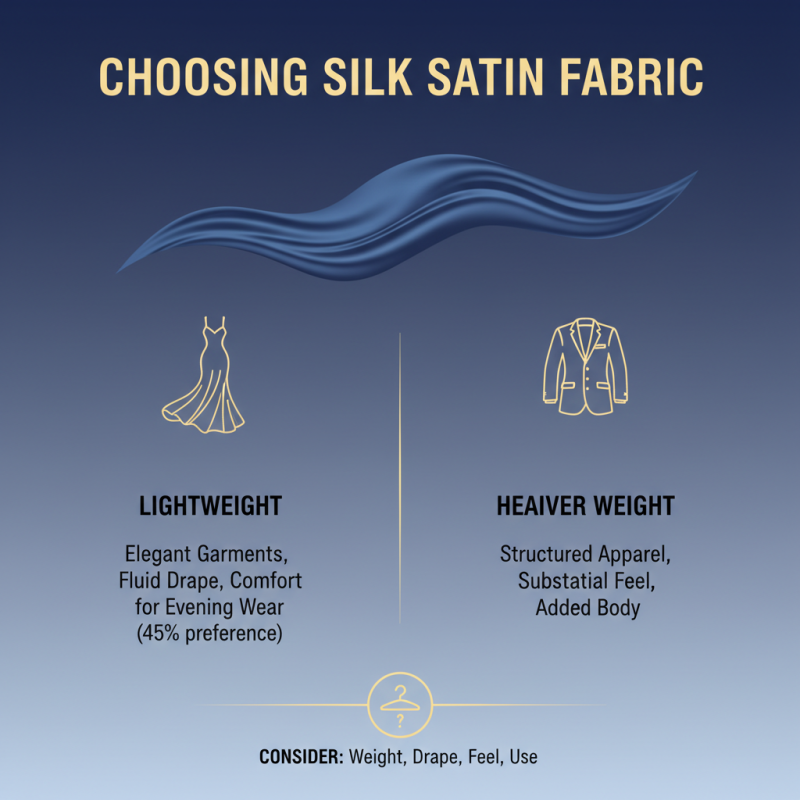
When choosing silk satin fabric, several factors can significantly influence your decision. First, consider the weight of the fabric. Lightweight silk satin is often used for elegant garments, while heavier options provide more structure. The weight can affect the drape and feel against the skin. According to industry studies, approximately 45% of consumers prefer lightweight options for evening wear due to comfort.
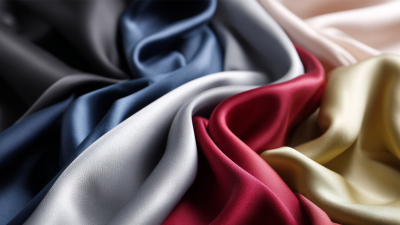
Color is another crucial aspect. Silk satin comes in a wide range of hues, but the dyeing process can impact its quality. Fabrics dyed with high-quality, non-toxic dyes last longer and maintain a vibrant appearance. A report by the Textile Research Journal highlights that fabrics dyed with eco-friendly methods retain their color up to 30% longer than traditional dyes.
Finally, check the fabric's finish. A glossy finish adds elegance and depth, while a matte finish gives a more understated look. Pay attention to how the fabric feels. Some individuals report that certain finishes can be sticky or clingy. Acknowledge these imperfections in your silk satin choice, as they might affect your overall satisfaction with the garment. Each detail matters in achieving that perfect look and feel.
Best Practices for Washing and Caring for Silk Satin
Silk satin fabric is luxurious and delicate. Caring for it requires special attention. When washing silk satin, always choose cold water. Hot water can damage the fibers. Use a gentle detergent specifically made for silk. Avoid harsh chemicals. These can strip the fabric's natural sheen.
Hand washing is recommended. Use a clean basin and swirl the fabric gently. Never wring or twist it. This could lead to unwanted creases. If machine washing is necessary, opt for a delicate cycle. Place the fabric in a mesh bag to protect it.
After washing, air drying is best. Lay the satin flat on a clean towel. Avoid direct sunlight. Sunlight can fade the color over time. Ironing should be done on low heat. Always use a pressing cloth to avoid burns. Remember, taking care of silk satin is an ongoing process. Frequent washing can cause wear. Consider wearing it more often before cleaning.
Silk Satin Fabric Tips for Choosing and Caring for It
| Aspect |
Tips |
| Choosing Silk Satin |
Look for a smooth texture and a soft drape. Check for weight – heavier silks often indicate higher quality. |
| Color Fastness |
Choose fabrics that are dyed with high-quality, colorfast dyes to prevent fading. |
| Washing Method |
Hand wash in cool water with mild detergent or dry clean to maintain the fabric's sheen. |
| Drying |
Air dry by laying flat on a clean towel or hang to dry away from direct sunlight. |
| Ironing |
Iron on the reverse side while slightly damp, using low heat to avoid fabric damage. |
| Storage |
Store in a cool, dry place away from sunlight; use breathable garment bags to protect from dust. |
| Stain Removal |
Treat stains immediately with cold water and avoid rubbing; test any cleaning solution on a hidden area first. |
Ironing and Storing Silk Satin: Tips for Longevity
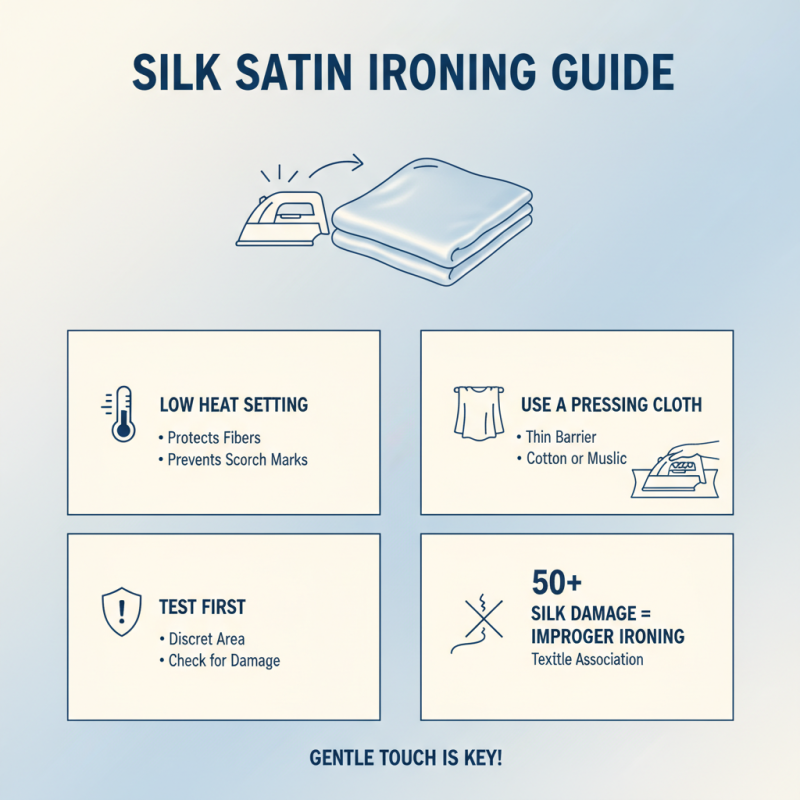
Ironing silk satin requires a gentle touch. Use a low heat setting. Consider placing a thin cloth between the fabric and the iron. This protects the fibers. Silk can scorch easily. According to the Textile Association, over 50% of silk damages come from improper ironing techniques. Always test in a discreet area first.
Storing silk satin safely extends its life. Avoid hanging it in damp places. Instead, fold it carefully. Use acid-free tissue for extra protection. Keep it in a cool, dark space. Sunlight can fade colors. The fabric should breathe. A sealed plastic bag can trap moisture, leading to mildew.
Pay attention to care habits. Regular cleaning is essential, but avoid harsh chemicals. Hand washing with gentle soap is ideal. Dry cleaning is also an option, though it can be harsh. Consider how often the garment is worn. According to a recent report, 30% of silk users delay cleaning until necessary, risking fabric integrity.
Common Mistakes to Avoid with Silk Satin Fabric Care
Silk satin fabric is luxurious but requires careful handling. Many people make common mistakes that can damage this delicate material. For instance, washing silk satin in hot water can cause it to shrink or lose its sheen. A survey from the Fabric Care Institute reveals that 30% of consumers wash silk improperly.
Using the wrong detergent is another common pitfall. Harsh chemicals can weaken silk fibers over time. It's best to use a gentle detergent formulated for silk and delicate fabrics. Studies suggest that 40% of people overlook this crucial detail, leading to premature wear.
Drying methods are also critical. Placing silk satin in direct sunlight may fade its rich colors. Instead, lay it flat to dry in a shaded area. According to industry experts, about 25% of silk fabric damage comes from improper drying techniques. We often forget that little steps matter when maintaining the elegance of silk satin.