Top 10 Tips for Choosing the Best Silk Satin Fabric for Your Projects
When embarking on a creative project that involves fabric selection, the finesse of the material can significantly influence the final outcome. One such exquisite choice is Silk Satin Fabric, renowned for its luxurious feel and stunning sheen. According to renowned textile expert Dr. Evelyn Chen, "Choosing the right Silk Satin Fabric is crucial; it not only elevates the aesthetic of your project but also ensures quality and durability." Selecting the best silk satin can be a daunting task with so many options available in the market.
In this guide, we present the top 10 tips for choosing the perfect Silk Satin Fabric tailored to your needs. Whether you are designing a formal gown, crafting home décor, or sewing a delicate accessory, understanding the nuances of silk satin can enhance your project and bring your vision to life. From evaluating fabric weight and drape to recognizing the importance of color and texture, our tips will provide you with the insights necessary to make an informed decision. Explore how the right choice in Silk Satin Fabric can transform your ideas into beautifully executed realities.
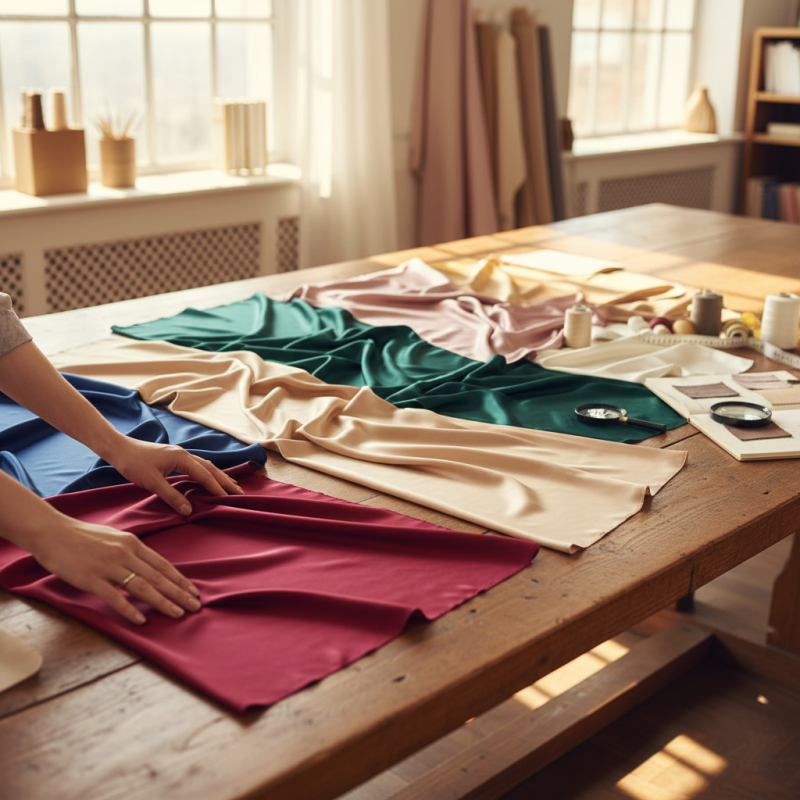
Understanding Different Types of Silk Satin Fabrics Available
Silk satin fabric comes in various types, each offering distinct qualities and textures suitable for different types of projects. The main categories include charmeuse, duchess, and crepe satin. Charmeuse is known for its luxurious sheen and lightweight feel, making it an ideal choice for elegant evening gowns or delicate blouses. According to a report from the Fashion Institute of Technology, charmeuse silk is particularly popular in high-fashion collections due to its ability to drape beautifully and conform to the body's curves.
Duchess satin, on the other hand, is a heavier fabric that provides more structure, often used in formal wear like ball gowns and tailored suits. Its durability and rich finish make it a preferred option for those looking for a fabric that maintains shape and texture over time. The Global Textiles Market Report indicates that the demand for duchess satin has increased by 15% in the past year due to its versatility in both fashion and home decor applications. Lastly, crepe satin presents a slightly textured surface, offering a more understated elegance suitable for both everyday wear and special occasions. Understanding these variations will help you choose the best silk satin for your specific project needs.
Evaluating Fabric Quality: What to Look For in Silk Satin
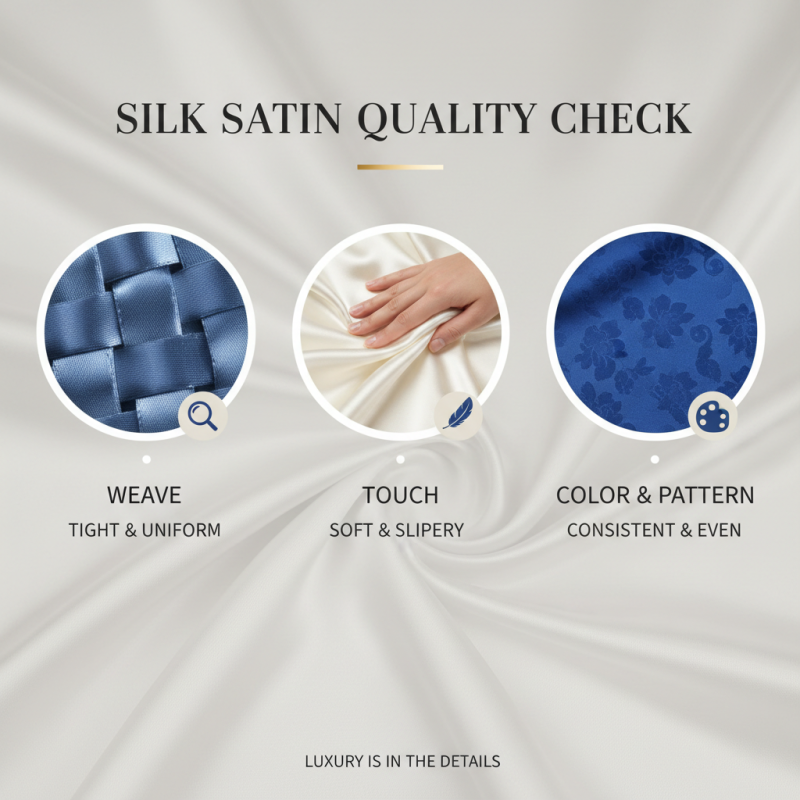
When evaluating silk satin fabric for your projects, quality is paramount. Start by examining the weave of the fabric; high-quality silk satin should have a tight, smooth weave that creates a luxurious luster. Feel the fabric between your fingers—premium silk satin should feel soft and slippery, providing a sensual touch that elevates any garment. Additionally, check for consistent color and pattern; any unevenness may indicate inferior quality.
Another crucial aspect to consider is the weight of the fabric. Opt for silk satin that is medium to heavy weight, as this ensures better drape and durability, making it ideal for a wide range of projects, from elegant dresses to sumptuous home decor. Remember, lightweight satin may feel less substantial and could be more prone to wrinkling or creasing.
Lastly, look into the versatility of the fabric. Choose silk satin that can be easily sewn and manipulated, suitable for various design techniques. Whether you're planning to create intricate pleats or flowing silhouettes, ensure that the silk satin you select offers the right balance of flexibility and structure for your creative vision.
Color and Print Options: Choosing the Right Aesthetic for Your Project
When selecting silk satin fabric for your projects,
color and print options play a crucial role in achieving the desired aesthetic.
Consider the mood you wish to convey.
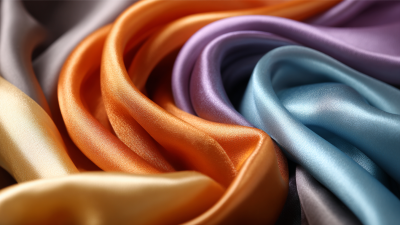
Soft pastels can evoke a feeling of tranquility and elegance,
perfect for formal wear or soft furnishings, while
vibrant hues can bring energy and vitality, making them ideal for contemporary designs or statement pieces.
Think about the context in which the fabric will be used – understated tones work well in classic settings, while bolder shades can stand out beautifully in more modern or eclectic environments.
Print options also add another layer of choice. From floral patterns to geometric designs,
the right print can enhance your project's theme. A delicate floral may impart romance and femininity,
whereas a striking geometric print can lend a modern edge.
When selecting prints, consider how they will work with the garment's cut or
the item’s shape, as well as how they will interact with other materials.
Balance is key; a bold print paired with a simple design can create a striking focal point,
while complex patterns may work better with minimalist styles to avoid overwhelming the overall look.
Assessing Fabric Weight and Drape for Specific Uses
When selecting silk satin fabric for your projects, understanding the fabric's weight and drape is crucial. The weight of the fabric affects how it will behave when draped or hung, which can dramatically influence the final look of your garment or project. For example, lighter silk satin is perfect for flowing dresses or delicate blouses, where fluidity is key. Conversely, heavier options lend themselves well to structured garments, such as evening wear and tailored suits. Always consider the intended use of your fabric: will it be used for a soft, draped silhouette, or do you need it to hold its shape?
When assessing drape, look for how the fabric hangs and moves. A fabric with a good drape will create beautiful lines and will be easy to work with when sewing. To test the drape, hold the fabric up and observe how it falls. If it cascades gracefully, it’s likely suitable for more ethereal designs. On the other hand, if it stands stiffly, consider it for structured pieces that require more form.
Tip: Always take the time to feel the fabric in person, if possible. The tactile experience can provide significant insights into how the fabric will perform in your project. Moreover, consider washing and pressing samples to see how they react, as this can inform your decision on durability and drape in practical usage. Remember, the right combination of weight and drape can make all the difference in achieving the desired aesthetic.
Fabric Weight and Drape Analysis
Caring for Silk Satin: Maintenance Tips for Longevity and Beauty
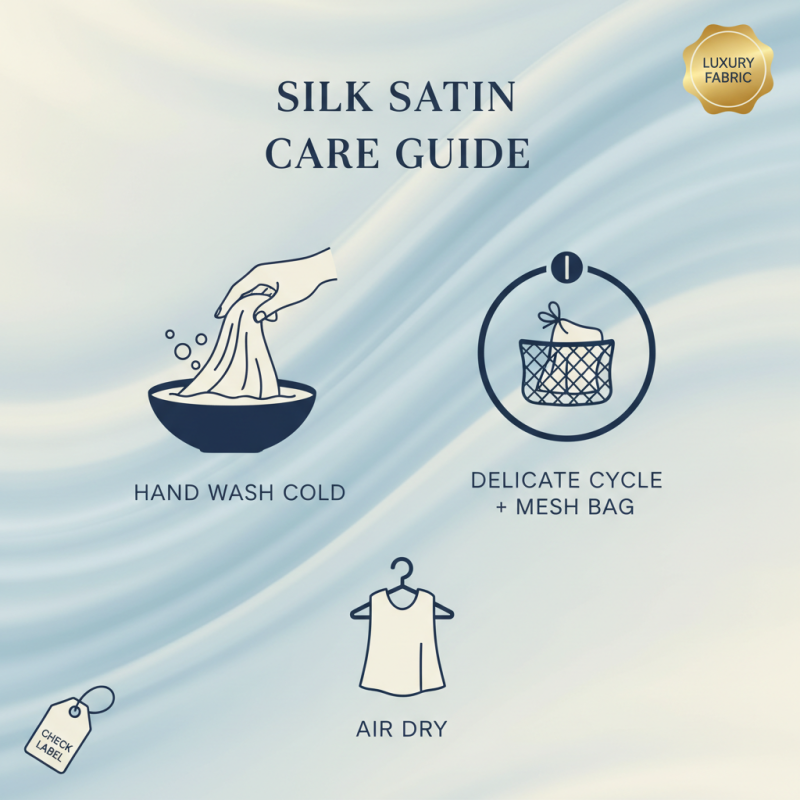
Silk satin is a luxurious fabric known for its smooth texture and elegant sheen. To ensure its longevity and maintain its beauty, proper care is essential. First, always follow the manufacturer's care instructions, especially regarding washing and drying. Hand washing in cold water with a gentle detergent is often recommended, as machine washing can cause damage or affect the fabric's shine. If you must use a washing machine, opt for a delicate cycle and place the garment in a mesh laundry bag to protect it from friction.
After washing, avoid wringing or twisting silk satin, as this can lead to creases and distortion. Instead, lay it flat on a clean, dry towel to absorb excess moisture, and then hang it to air dry away from direct sunlight, which can fade the color. When it's time to iron, use a low-temperature setting and place a cloth between the iron and the fabric to prevent burns. Regularly steaming your silk satin garments can help keep them wrinkle-free and revitalize their luster without direct contact. By following these maintenance tips, you can enjoy your silk satin projects for years while preserving their exquisite quality.