Imitation Linen Fabric Tips for Choosing the Best Options?
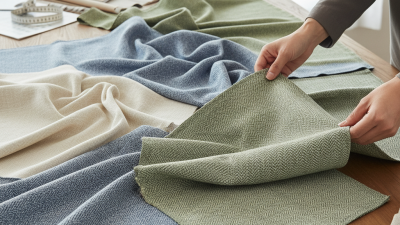
When choosing fabrics for home decor or fashion, Imitation Linen Fabric stands out. This fabric imitates the texture and appearance of natural linen but at a fraction of the cost. It offers versatility and a stylish look that appeals to many. The choices can be overwhelming, making it essential to consider various factors.
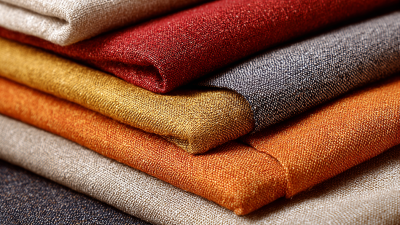
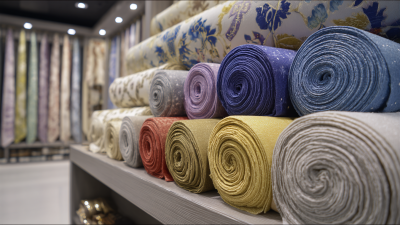
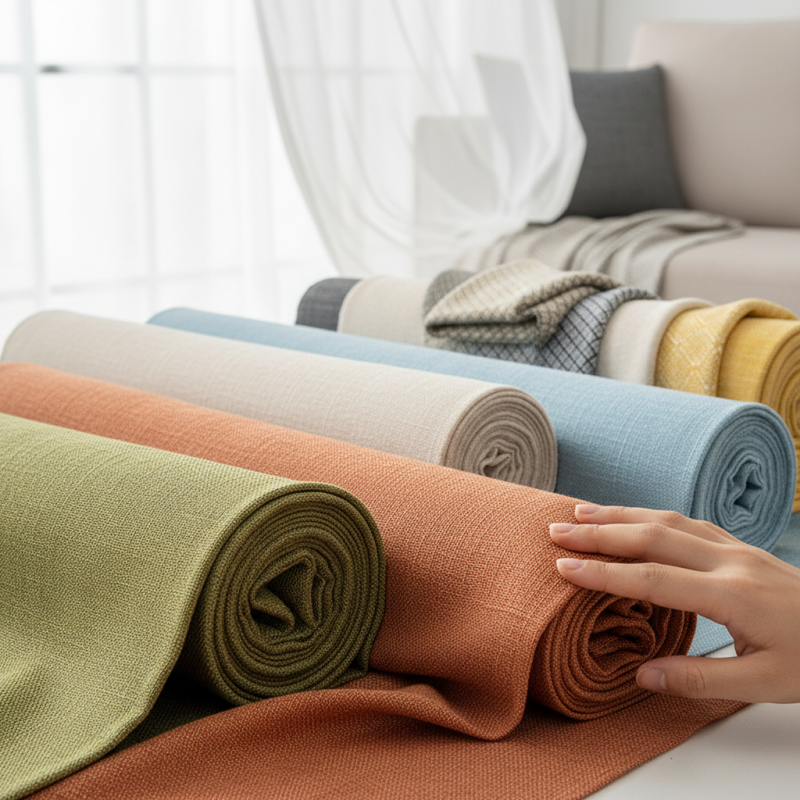
Quality varies significantly among manufacturers. Some imitation linen feels soft and luxurious, while others can be stiff and less breathable. Pay attention to the fabric blend, as this affects comfort and durability. Colors and patterns also play a crucial role. A rich, earthy tone can elevate a space, while a brighter option might bring a pop of fun.
It’s also important to reflect on personal needs. Think about the intended use. For heavy-duty items, you might need a sturdier fabric. However, for delicate curtains, a lighter option could be more suitable. Ultimately, taking the time to analyze your options can lead to better choices and a more satisfying result when using Imitation Linen Fabric.
Imitation Linen Fabric: Understanding Fiber Composition and Properties
Imitation linen fabric offers a practical alternative to natural linen. This fabric is made from synthetic fibers, often blended with natural options. Understanding the fiber composition is crucial for making the right choice. Look for fabrics that combine polyester with cotton for enhanced durability. These blends can mimic linen's texture and appearance quite well.
When selecting imitation linen, consider its properties. A high-quality option should be breathable and lightweight. Pay attention to the fabric's drape and feel. Some imitation linens may feel stiff or rough, which might not work for your project. It's important to test samples before committing to larger purchases.
Tips for choosing the best options: Verify the fiber content. Read the care instructions carefully. This ensures long-lasting use. Look at various colors and patterns available. Sometimes, the visual appeal can make a big difference. Keep in mind that not all imitation linens are created equal. Reflect on your specific needs and preferences before making a final decision.
Key Factors to Consider When Selecting Imitation Linen Materials
When selecting imitation linen materials, consider texture and durability. The surface should feel soft yet sturdy. Examine how it drapes and flows. A good piece should mimic the natural look of linen without looking overly shiny. You may prefer a fabric that has an organic appearance.
Another essential factor is colorfastness. Some imitation linens fade quickly after washing. Always check care instructions. It is crucial to know how to maintain the fabric’s look over time. You want it to withstand everyday use without losing its charm.
Lastly, consider the weight of the fabric. Light fabrics are great for summer, while heavier options provide warmth. However, heavier materials can feel too bulky in some situations. Balancing these characteristics will help you find the right choice for your needs. Assess how the fabric fits into your lifestyle before making a decision.
Choosing the Best Imitation Linen Fabrics
Comparative Analysis of Imitation Linen vs. Natural Linen Performance
When considering the choice between imitation linen and natural linen, performance is key.
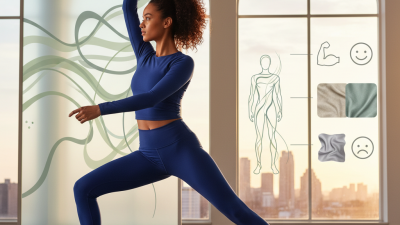
Natural linen boasts remarkable breathability. It can absorb moisture effectively, wicking away sweat quickly.
According to a report from the Textile Research Journal, natural linen dries approximately 30% faster than many polyester blends, often used in imitation fabrics.
This makes it suitable for warm climates and active wear.
On the other hand, imitation linen often excels in durability.
It resists wrinkles better than its natural counterpart. In testing, synthetic fibers last up to three times longer under stress.
However, this durability can compromise comfort. Many users report that imitation linen feels less breathable than natural linen.
While the price of imitation linen is lower, the long-term benefits may still favor the natural fabric.
A striking concern is the environmental impact.
Natural linen is generally biodegradable, whereas many imitation options are derived from petrochemicals.
This raises questions about long-term sustainability in a world increasingly focused on eco-friendliness.
Although imitation linen may appear appealing upfront, the lifecycle and impact must be closely examined.
Care and Maintenance Tips for Longevity of Imitation Linen Textiles
Imitation linen fabrics offer a stylish, cost-effective alternative to natural linen. However, proper care is essential to maintain their appearance and durability. According to industry reports, textiles can lose their color and texture after several washes if not cared for correctly. It’s critical to always wash imitation linen in cold water to prevent shrinkage and fading. Using a gentle detergent is also recommended to preserve the fabric’s quality.
When drying imitation linen, air drying is preferable. High heat can damage fibers, leading to premature wear. Some reports highlight that fabrics dried under direct sunlight may fade faster than those dried in the shade. Ironing should be done on a low setting to avoid melting any synthetic fibers. Even with proper care, imitation linen may show signs of wear over time. This can lead to frustrating moments for those who wish to maintain a polished look in their home.
Maintaining the longevity of your textiles requires constant vigilance. Regularly check for loose threads or small tears. Early repairs can save your imitation linen from further damage. It’s also advisable to store these fabrics in a cool, dry place to avoid moisture-related issues. Regular maintenance routines can prevent the need for costly replacements, ultimately extending the life of your textiles.
Imitation Linen Fabric Tips for Choosing the Best Options
| Feature |
Description |
Care Tips |
Longevity Tips |
| Breathability |
Imitation linen is lightweight and allows good air circulation. |
Wash in cold water and avoid harsh detergents. |
Keep away from direct sunlight to prevent fading. |
| Texture |
Soft and textured feel similar to natural linen. |
Iron at low temperature to maintain texture. |
Store in a cool, dry place to maintain fabric quality. |
| Durability |
Resistant to wear and tear, suitable for everyday use. |
Avoid bleach to prolong fabric life. |
Rotate use of different items to reduce wear on any single piece. |
| Maintenance |
Easy to clean; machine washable. |
Use gentle cycle and mild detergent. |
Regularly inspect for damages and repair promptly. |