Top 5 Tips for Sourcing Recycled Polyester Fabric?
Sourcing Recycled Polyester Fabric is an essential step in sustainable fashion. This fabric, made from post-consumer plastic bottles, offers both environmental benefits and style. The demand for eco-friendly materials is rising. Consumers are becoming conscious of their choices.
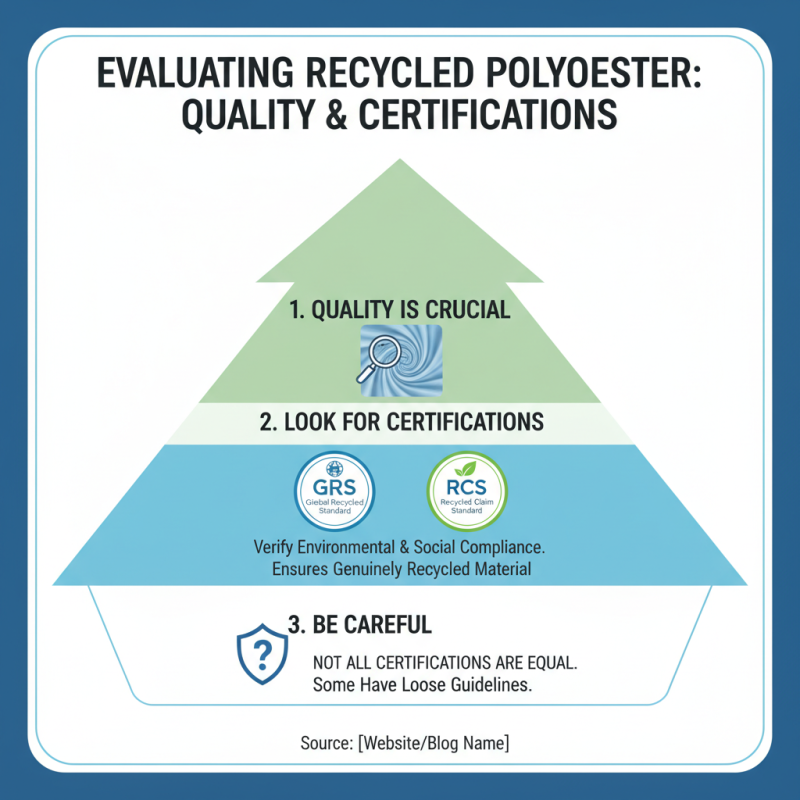
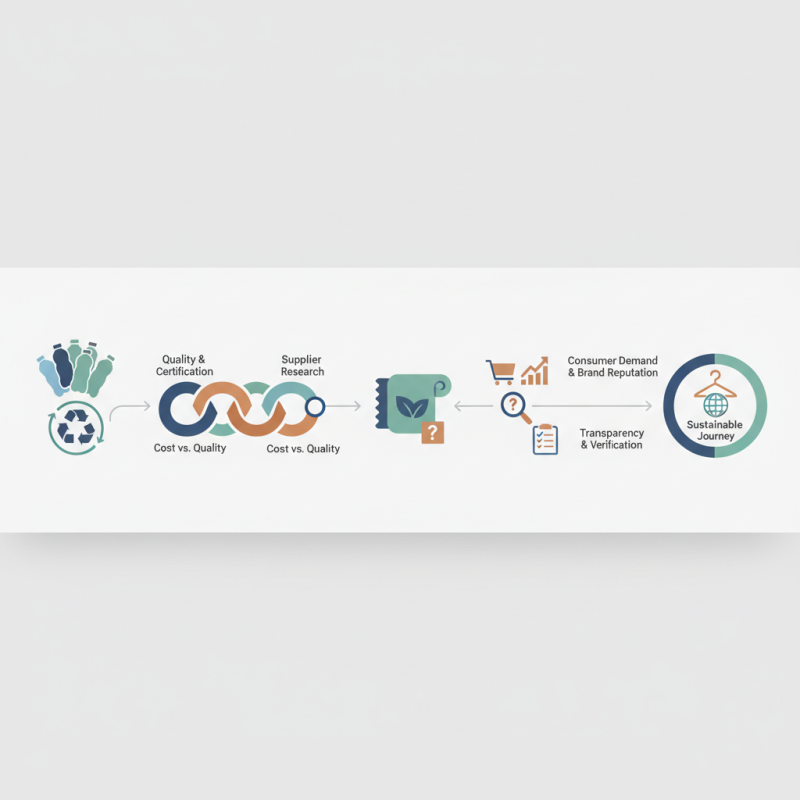
When sourcing Recycled Polyester Fabric, it’s vital to consider several factors. Quality and certification are paramount. Many suppliers claim to offer recycled fabrics, but not all meet industry standards. Researching supplier backgrounds ensures credibility. Balancing cost and quality can be challenging.
Choosing the right fabric involves looking beyond price tags. Sustainable options may seem expensive, yet they create long-term value. Investing in eco-friendly materials boosts brand reputation. Despite the growing market, challenges still exist. Not every supplier provides transparency. Always verify claims about sourcing and recycling processes. Embracing Recycled Polyester Fabric is a journey toward sustainable fashion. However, it needs ongoing reflection and commitment.
Understanding Recycled Polyester Fabric and Its Benefits
Recycled polyester fabric is gaining traction in the textile industry for its sustainability benefits. This fabric, made from plastic bottles and waste textiles, significantly reduces reliance on virgin materials. In fact, the Global Recycled Polyester Market Report indicated a growing demand for recycled polyester, expected to reach USD 16.6 billion by 2026. This projection highlights an increasing trend toward eco-conscious materials.
Using recycled polyester helps lower carbon emissions. According to the Textile Exchange, producing recycled polyester can emit up to 50% less carbon dioxide compared to virgin polyester. However, challenges remain in terms of quality and market perception. Some manufacturers report difficulties in maintaining the desired durability and aesthetic qualities when using recycled materials. These issues can lead to hesitation in adopting recycled fabric in mainstream fashion lines.
The environmental impact is significant. By adopting recycled polyester, the industry can divert millions of tons of plastic waste from landfills. In fact, an estimated 1,000 plastic bottles can be recycled into a single garment. While the benefits are clear, ongoing improvements in processing methods and consumer education are necessary for greater acceptance and integration of recycled materials.
Identifying Reliable Suppliers of Recycled Polyester Fabric
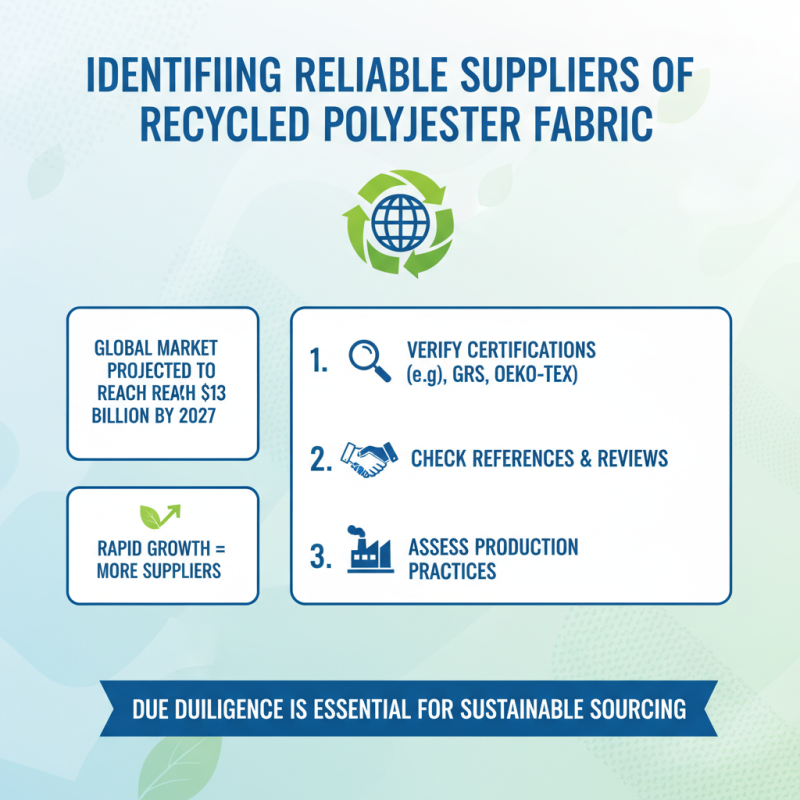
When sourcing recycled polyester fabric, identifying reliable suppliers is crucial. The global market for recycled polyester is projected to reach $13 billion by 2027, according to a 2021 industry report. Such a rapid growth indicates increased demand. However, it also means more suppliers enter the market, making it essential to assess reliability thoroughly.
Start by evaluating suppliers’ certifications. Look for standard certifications like Global Recycled Standard (GRS) or OEKO-TEX. These credentials ensure quality and sustainability. Many suppliers may claim eco-friendliness but lack proper certification. This discrepancy can lead to issues of trust and product authenticity. Supplier transparency is vital; ask for details on sourcing and production processes.
Additionally, consider conducting site visits if possible. Seeing the operations firsthand provides insights into their practices. Engage with current clients of the supplier. Their feedback can reveal much about product quality and reliability. Expect a mix of responses; not every collaboration is flawless. Balancing quality with eco-commitments can present challenges. By addressing these factors thoughtfully, you can enhance your sourcing strategy for recycled polyester fabric.
Exploring Cost-effective Sourcing Strategies for Recycled Materials
Sourcing recycled polyester fabric can be a strategic way to embrace sustainability. Cost-effective strategies play a vital role in the success of your sourcing efforts. Focus on building relationships with trusted suppliers who specialize in recycled materials. This not only increases your access to reliable products but also ensures quality over time. Suppliers with established reputations tend to offer materials that meet industry standards.
Another effective approach is to analyze market trends and pricing data. Understanding the fluctuations in recycled material costs can lead to better purchasing decisions. Many manufacturers may not disclose their pricing structures, which can complicate sourcing. Engaging in market research helps clarify what a fair price should look like.
It's essential to assess and compare different sources. Sometimes, you may find that seemingly cheaper options deliver subpar quality. That can lead to increased costs later on. A potential pitfall could be choosing quantity over quality. This can undermine the integrity of your product. Balancing these factors takes time and reflection. Sourcing is an ongoing learning process that requires patience and adaptability.
Top 5 Tips for Sourcing Recycled Polyester Fabric
| Tip |
Description |
Benefits |
Challenges |
| 1. Research Suppliers |
Identify sustainable suppliers with a good reputation in recycled materials. |
Quality assurance and enhanced brand image. |
Finding reliable suppliers can be time-consuming. |
| 2. Evaluate Material Quality |
Conduct tests on fabric strength, durability, and texture. |
Ensures the final product meets customer expectations. |
Testing can lead to higher upfront costs. |
| 3. Consider Bulk Orders |
Purchase in larger quantities to reduce costs per unit. |
Lower costs and improved negotiating power. |
Requires upfront investment and storage space. |
| 4. Utilize Technology |
Employ software tools for efficient management of supply chains. |
Saves time and increases transparency. |
Requires training and possible software investment. |
| 5. Stay Updated on Trends |
Follow market trends in recycled fabrics and consumer preferences. |
Helps in making informed sourcing decisions. |
Risk of changes in trend affecting stock supplies. |
Building Long-term Relationships with Recycled Fabric Suppliers
Building long-term relationships with recycled fabric suppliers is crucial for sustainable fashion. Understanding their processes fosters trust and collaboration. Regular communication ensures clarity in expectations and builds rapport. Spend time visiting facilities to understand their production. This hands-on approach shows commitment and encourages transparency.
Integrating sustainability into your supply chain requires patience. Not every supplier will meet your standards initially. Sometimes, you'll face challenges in quality and turnaround times. Creating open dialogues about issues can lead to mutual growth. Sharing your values helps suppliers align their practices with your vision. Remember, it’s not just about purchasing; it's about partnership.
Invest in training and resources for your suppliers. Offering workshops can enhance their skills and efficiency. Consistent support leads to better quality and innovation over time. Reflect on your experiences, and be open to feedback. This cycle of improvement builds not only your brand but also a sustainable future for all involved.