Top 10 Micro Fabric Types for Global Sourcing Needs?
Micro Fabric has gained significant attention in the textile industry. This material is known for its fine fibers, which provide a soft touch and durability. It is versatile, making it a preferred choice for various applications, from clothing to home textiles. Businesses are now more focused on sourcing high-quality Micro Fabric to meet rising global demands.
Different types of Micro Fabric serve diverse needs in the market. Each type possesses unique properties, such as moisture-wicking, breathability, or stretchability. These characteristics enable manufacturers to cater to specific consumer preferences. However, sourcing the right Micro Fabric can sometimes be challenging. It requires understanding the supply chain and evaluating quality.
The top 10 Micro Fabric types hold immense value for global sourcing needs. Buyers should be aware of the distinctions between these fabrics. As the demand for sustainable and high-performance textiles increases, knowing the best options becomes essential. Some businesses may overlook important details in the fabric selection process. Finding the ideal Micro Fabric is crucial for maintaining product quality and consumer satisfaction.

Understanding Micro Fabrics: Definition and Applications in Global Sourcing
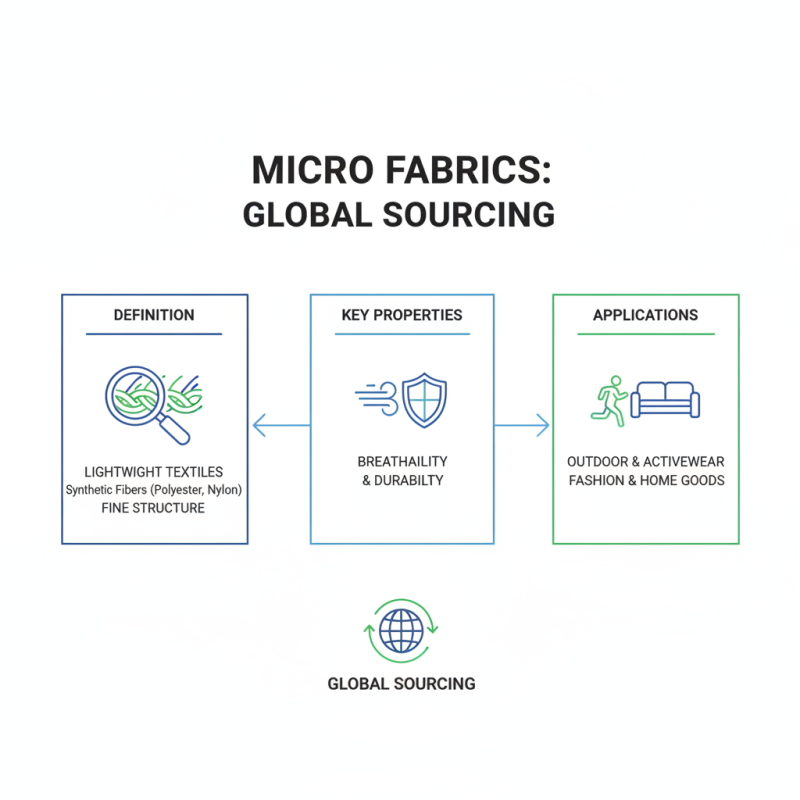
Micro fabrics are lightweight textiles made from synthetic fibers, such as polyester and nylon. These materials are popular in various industries, ranging from fashion to home goods. Their fine structure offers unique properties, including breathability and durability. This makes micro fabrics ideal for outdoor apparel and activewear.
In the context of global sourcing, understanding these fabrics can influence product quality and performance. Micro fabrics vary greatly, each type serving specific needs. For instance, some are designed for moisture-wicking, while others focus on a soft touch. Companies must assess their sourcing criteria, considering factors like environmental impact and manufacturing practices. Imperfect knowledge about micro fabrics can lead to supply chain issues. Ensuring expertise in material selection is crucial for maintaining quality standards.
Key Properties of Micro Fabrics: Durability, Breathability, and Softness
Micro fabrics have taken the textile industry by storm. Their key properties make them essential for various applications. Durability is one of the most notable features. Micro fabrics resist wear and tear, making them ideal for high-traffic use. They withstand daily challenges better than traditional fabrics. This longevity means less frequent replacements, benefiting both budget and environment.
Breathability is another significant property of micro fabrics. The material allows air circulation, keeping the user comfortable. This is particularly crucial in active wear and outdoor gear. Fabrics that trap heat can lead to discomfort. However, not all micro fabrics perform equally in this area. Some need further development to enhance airflow and moisture management.
Softness adds to the appeal of micro fabrics. A soft touch can elevate user experience. However, achieving softness while maintaining durability is a challenge. Balancing these qualities requires innovation. Some manufacturers still struggle with this aspect, leading to a need for reflection and improvement in their processes. The journey toward perfecting micro fabrics is ongoing, requiring feedback and adaptation.
Top 10 Micro Fabric Types: A Comparative Analysis of Fiber Composition
Micro fabrics are becoming essential in global sourcing. Their diverse fiber compositions offer unique benefits for various applications. This comparative analysis highlights the key types of micro fabrics you should consider.
Polyester microfibers are popular for their durability and resistance to fading. They are lightweight and quick-drying. On the other hand, nylon microfibers provide excellent strength and elasticity. Whether used in sportswear or outdoor gear, these fabrics serve a wide range of needs. Velvet microfibers, with their soft touch, are ideal for home textiles. They add luxury without compromising on durability.
Tips: When selecting micro fabrics, examine their weight and texture. Different applications require specific qualities. Additionally, consider the fabric's environmental impact. Sustainable sourcing should always be a priority. This strategy is not just responsible but increasingly necessary in today’s market.
Understanding the fiber composition is crucial. Some fabrics blend polyester with nylon for enhanced performance. However, blending may lead to compromises in breathability. Not every blend meets expectations. Always test samples and gather feedback from end-users before making final decisions.
Top 10 Micro Fabric Types for Global Sourcing Needs
| Fabric Type |
Fiber Composition |
Weight (g/m²) |
Durability (Cycles) |
Common Uses |
| Microfiber |
Polyester and Polyamide |
200 |
100,000 |
Cleaning cloths, apparel |
| Suede Microfiber |
Polyester |
250 |
80,000 |
Upholstery, fashion |
| Brushed Microfiber |
Polyester |
280 |
70,000 |
Linings, bedding |
| Polartec Microfleece |
Polyester |
200 |
60,000 |
Outdoor apparel, blankets |
| Modal Microfiber |
Modal and Polyester |
230 |
75,000 |
Luxury apparel, sheets |
| Stretch Microfiber |
Polyester and Spandex |
220 |
90,000 |
Activewear, swimwear |
| Airflow Microfiber |
Polyester |
300 |
100,000 |
Sportswear, linings |
| Coolmax Microfiber |
Polyester |
280 |
70,000 |
Moisture-wicking garments |
| Nylon Microfiber |
Nylon |
240 |
85,000 |
Lingerie, hosiery |
| Taffeta Microfiber |
Polyester |
260 |
80,000 |
Outerwear, bags |
Market Trends: Growth of Micro Fabric in Apparel and Home Textiles
Micro fabrics are increasingly influencing the apparel and home textiles market. These lightweight textiles offer durability and performance. Their soft touch and versatility make them ideal for various applications. Many consumers prefer lightweight, breathable fabrics for comfort, especially in activewear. This trend is driving innovation in fabric production.
The rise in demand for sustainable practices is reshaping micro fabric production. Manufacturers are exploring eco-friendly materials and processes. The shift towards sustainable sourcing is notable. Some brands lack transparency in their supply chains. This raises questions about authenticity and ethics in production.
Home textiles are also embracing micro fabrics. Soft microfiber sheets and towels are popular among consumers. The ease of care and quick drying properties appeal to busy lifestyles. Many homeowners seek functionality without sacrificing aesthetics. However, finding high-quality options remains a challenge. Understanding fabric composition can be crucial for making informed choices.
Sourcing Strategies: Best Practices for Selecting Micro Fabrics Globally
When it comes to selecting micro fabrics for global sourcing, it's crucial to have a clear strategy. Understanding the characteristics of various micro fabrics can directly impact the quality of your products. Start by assessing the purpose of the fabric. This guides your selection process effectively.
Tips: Always request samples before committing. This allows you to evaluate texture and durability firsthand. Consider the environmental impact of the fabrics too. Sustainable options can enhance your brand image and attract eco-conscious consumers.
Maintain strong communication with suppliers. Clear expectations can lead to better outcomes. Be open to feedback about your choices; it can lead you to improved selections. The sourcing landscape is ever-changing, making adaptability essential. Regularly assess your needs and supplier relations. This reflection can uncover new opportunities in micro fabric sourcing.