Top Reasons to Choose Rpet Fabric for Your Business Needs?
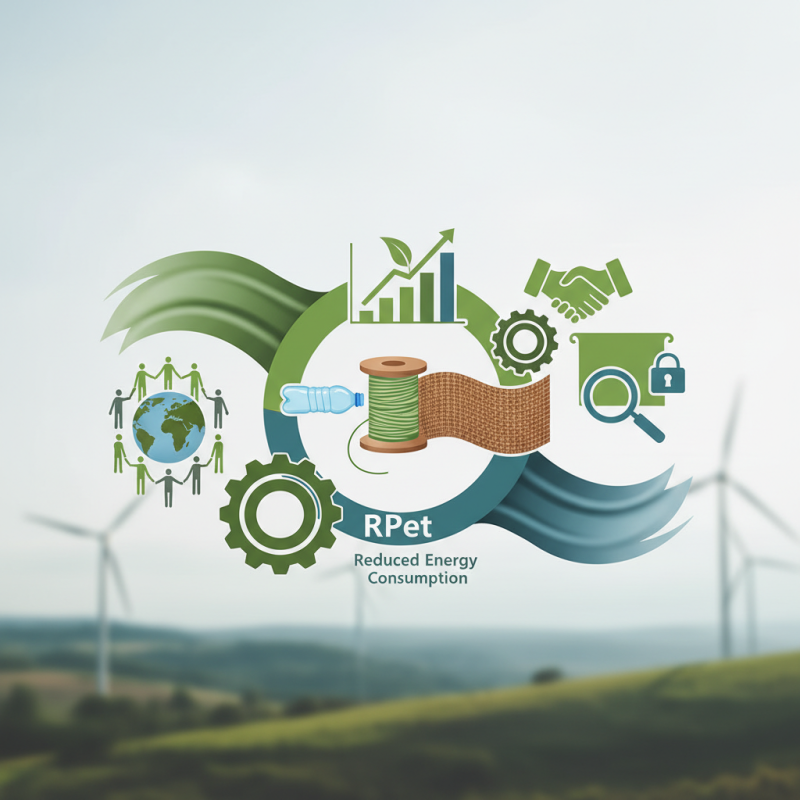
In today's sustainable fashion landscape, choosing Rpet Fabric can significantly impact business operations. According to a report by the Textile Exchange, the use of recycled polyester can reduce energy consumption by up to 60%. Rpet Fabric is made from recycled plastic bottles, promoting circular economy ideals. Not only does it minimize waste, but it also lessens greenhouse gas emissions.
Expert Sarah Jenkins, a sustainability consultant, emphasizes, "Rpet Fabric is not just eco-friendly; it is also a smart business decision." Companies that prioritize sustainability often see improved brand loyalty and customer satisfaction. This shift toward responsible sourcing aligns with consumer values, driving sales in a competitive market.
However, transitioning to Rpet Fabric is not without challenges. Sourcing materials and ensuring quality can be difficult. Companies must also be transparent about their processes to build trust. The growing demand for Rpet Fabric offers opportunities, but businesses need to reflect on their practices and adapt.
Top Benefits of Using Rpet Fabric in Sustainable Business Practices
The use of RPET (Recycled Polyethylene Terephthalate) fabric is on the rise in sustainable business practices. This trend is not just about aesthetics; it's backed by solid data. According to a recent report by the Textile Exchange, the global production of RPET significantly reduces environmental impact. For instance, using recycled materials can save up to 84% of the energy required to produce virgin polyester.
RPET fabric contributes to waste reduction, addressing the staggering problem of plastic pollution. Approximately 8 million tons of plastic end up in oceans each year. Shifting to RPET helps divert these materials from landfills. An estimated 30% of the world's plastic waste could be recycled effectively into textiles. Companies adopting RPET are seen as leaders in environmental stewardship, enhancing their corporate image.
Investing in RPET goes beyond mere compliance with sustainability goals. According to a survey from the Fashion Institute of Technology, 70% of consumers prefer brands that prioritize eco-friendly materials. This shift indicates a market demand for sustainable options. However, challenges remain in sourcing and processing these materials effectively. The industry must address quality issues and ensure consistency in production. As brands navigate this landscape, the potential for RPET in enhancing business credibility remains substantial.
Top Benefits of Using Rpet Fabric in Sustainable Business Practices
Environmental Impact: How Rpet Fabric Reduces Plastic Waste
Rpet fabric represents a significant step forward in reducing plastic waste. Made from recycled PET bottles, this material utilizes post-consumer plastic, preventing it from ending up in landfills. By choosing Rpet fabric, businesses contribute to a circular economy. The manufacturing process requires less energy compared to virgin polyester, leading to lower carbon emissions.
The environmental impacts are profound. Each ton of Rpet fabric produced saves approximately 1.5 tons of CO2 emissions. This reduction is crucial in our fight against climate change. However, not all Rpet products are created equal. Some may still end up without proper recycling processes. Not every supplier employs environmentally friendly methods, making careful sourcing essential.
It’s important to consider the full lifecycle of materials. While Rpet fabric offers advantages, potential downsides can emerge if not managed correctly. As businesses choose Rpet, they should prioritize transparency in their supply chains. With conscious choices, we can create a more sustainable future. Every small decision counts, reflecting our commitment to protecting the planet. Being aware of this impact drives more responsible consumption.
Cost-Effectiveness: Analyzing Rpet Fabric vs. Traditional Materials
RPET fabric, derived from recycled PET bottles, presents a compelling alternative to traditional materials. Its cost-effectiveness is striking. According to a report by the Textile Exchange, RPET can be up to 30% cheaper than conventional polyester. This is largely due to reduced raw material costs and lower energy consumption during production. However, the initial investment in RPET machinery may be a barrier for some businesses.
In addition to financial factors, RPET offers versatility. It can be used in a variety of applications, from clothing to packaging. A study by the Environmental Protection Agency notes that using recycled materials can reduce greenhouse gas emissions by 60%. Many businesses overlook this performance aspect, assuming traditional fabrics are superior. Yet, modern advances ensure that RPET fabric meets high-quality standards without compromising durability.
It's worth noting that the supply chain for RPET can be challenging. Some manufacturers may face issues in sourcing consistent quality materials. This can lead to variability in product performance. Despite these concerns, the environmental benefits and potential cost savings make RPET an attractive option. As more companies pivot toward sustainability, evaluating the economic and ecological efficiency of materials like RPET will remain crucial.
Durability and Performance: Rpet Fabric in Various Industries
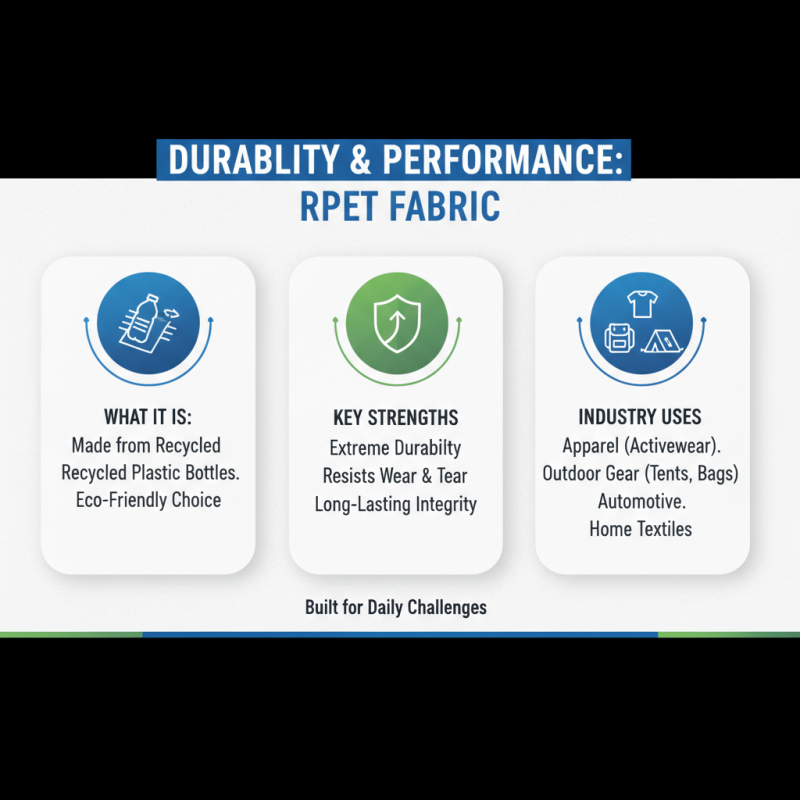
RPET fabric has emerged as a strong choice across multiple industries due to its remarkable durability and performance. This fabric, made from recycled plastic bottles, holds up particularly well in extreme conditions. It resists wear and tear, making it ideal for products that face daily challenges. Whether it’s in apparel or outdoor gear, RPET fabric maintains its integrity over time.
Moreover, it offers excellent moisture-wicking properties. This feature makes it particularly suitable for sportswear. Fabrics that manage sweat enhance comfort. They allow consumers to engage in activities without worrying about discomfort. However, companies must also reflect on their sourcing practices. Ensuring the quality of recycled materials can be a challenge.
In addition to performance, RPET fabric’s eco-friendliness appeals to consumers. Businesses today face pressure to be more sustainable. Using RPET can be a significant step in reducing environmental impact. Yet, some may question the long-term effects of using recycled materials. It requires careful consideration and continuous evaluation to maximize benefits while minimizing drawbacks.
Consumer Trends: Growing Demand for Eco-Friendly Materials in Retail
Consumer demand for eco-friendly materials is rising. Shoppers increasingly prefer sustainable options. This trend is reshaping the retail landscape. Businesses must adapt to stay relevant.
Rpet fabric, made from recycled plastics, aligns perfectly with this shift. It meets consumer expectations for sustainability and quality.
Adopting eco-friendly materials can enhance your brand's image. Customers appreciate businesses that prioritize the environment. Offering Rpet products may create a loyal customer base. Eco-friendly choices often lead to positive word-of-mouth marketing. This resonates well with eco-conscious shoppers.
Tips for businesses: Highlight your sustainable practices. Use social media to showcase the eco-friendly journey of your products. Share the lifecycle of Rpet fabric, educating consumers is key. Consider partnering with organizations that promote sustainability. This will enhance your credibility and connect you with a larger audience.