Leave Your Message

Top 10 Stretch Fabric Types for Your Global Sourcing Needs?

In today's global market, the demand for high-quality stretch fabric is rising. According to a report by Market Research Future, the global stretch fabric market is projected to reach $30 billion by 2025, reflecting a growing need across various sectors. As businesses explore options for sourcing, understanding different stretch fabric types becomes crucial.

Renowned textile expert Dr. Emily Chen emphasizes, "Choosing the right stretch fabric can significantly impact production efficiency and product quality." This insight highlights the necessity for manufacturers to evaluate various fabric types. Options such as spandex, elastane, and knit blends offer unique benefits for apparel and performance gear.

Yet, the industry faces challenges. Sourcing authentic stretch fabric can be overwhelming. Potential pitfalls include inconsistent quality and unreliable suppliers. As brands increasingly prioritize sustainability, staying informed about advancements in stretch technology is essential. Adaptability and quality must remain at the forefront of sourcing strategies.
Top 10 Stretch Fabric Types for Your Global Sourcing Needs?

Understanding Stretch Fabrics: Definition and Importance in Sourcing

Stretch fabrics play a crucial role in global sourcing. They enable manufacturers to create comfortable and versatile clothing. Understanding these fabrics is essential for making informed sourcing decisions.

According to a 2022 report by Textile World, stretch fabrics account for over 25% of the global textile market. This growth is driven by trends in athleisure and activewear. Consumers prefer garments that offer mobility without sacrificing style. Countries like China and Italy are leading manufacturers of high-quality stretch materials, providing various options for sourcing.

Tips: Consider the fabric's elasticity and recovery. Not all stretch materials provide the same level of performance. Look for blends that include spandex or elastane for durability.

Innovation is constant in the textile industry. Manufacturers experiment with biodegradable stretch fabrics. However, quality assurance remains a challenge. It's vital to test fabric samples to ensure they meet your brand's standards. Engaging with suppliers and seeking certifications can provide more reliability in sourcing.
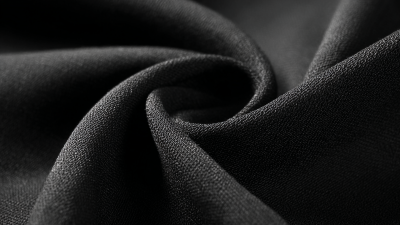
Key Properties of Stretch Fabrics: What to Consider for Global Sourcing

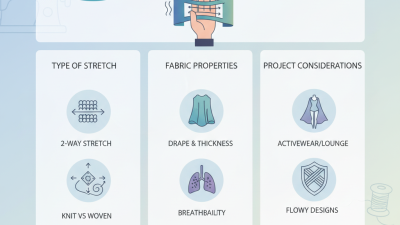
When sourcing stretch fabrics, understanding their key properties is crucial. Different stretch types cater to varied markets, from activewear to fashion apparel. A fabric's elasticity defines its comfort and fit. Spandex blends, for example, offer remarkable stretch but may lack breathability. This trade-off is essential when considering fabric for hot climates.

Drape and recovery are also vital. A fabric that loses its shape after wear may disappoint customers. We must assess how the fabric moves with the body. Look for materials that return to their original form after stretching. Weight matters too. Heavier fabrics can provide durability but may reduce comfort in movement. Conversely, lighter fabrics could lead to quicker wear.

Comprehending these properties requires experience. Testing samples helps highlight strengths and weaknesses. Engaging with manufacturers about their sourcing practices can yield valuable insights. Sometimes, available options do not meet all expectations. This reality prompts teams to adapt and innovate. Each sourcing decision shapes product quality and consumer satisfaction.

Top 10 Stretch Fabric Types for Your Global Sourcing Needs

Fabric Type Key Properties Common Uses Sourcing Considerations
Spandex High elasticity and recovery Active wear, swimwear Raw material cost fluctuations
Lycra Comfortable stretch, breathable Sportswear, fitted garments Brand reputation
Nylon Durable, lightweight, good elasticity Outdoor apparel, hosiery Sustainability practices
Polyester Wrinkle-resistant, quick-drying Active and casual wear Quality control measures
Cotton-Blend Soft, breathable, comfortable Casual wear, everyday clothing Local sourcing vs. imports
Rayon Soft with excellent drape Dresses, blouses Source verified suppliers
Bamboo Fabric Eco-friendly, moisture-wicking Eco-conscious fashion Certifications of sustainable practices
Modal Silky feel, good breathability Sleepwear, loungewear Understanding of sourcing strength
Tencel Sustainable, biodegradable Fashion apparel, undergarments Traceability of supply chain
Stretch Denim Durable, structured with stretch Jeans, casual bottoms Quality of stretch component

Top 10 Stretch Fabric Types: Overview of Each Category

When it comes to stretch fabrics, understanding the different types is crucial. Stretch fabrics are designed to provide both comfort and flexibility. This makes them popular in various industries, especially in apparel and activewear. Each type of stretch fabric offers unique characteristics that cater to different needs.

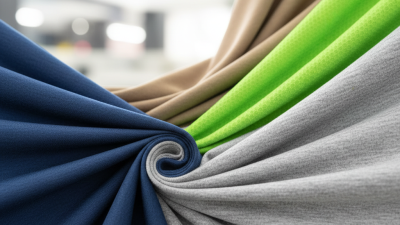
The first category includes spandex blends, known for their exceptional elasticity. These fabrics can stretch significantly without losing shape. Another type is jersey knit, which features a soft drape and is often used in t-shirts. Microfiber is a lightweight option that feels smooth against the skin. You might also encounter fleece, ideal for warmer garments.

Consider performance fabrics, which are engineered for specific activities. For instance, moisture-wicking materials draw sweat away from the body, enhancing comfort during exercise. While stretch fabrics are highly beneficial, sourcing them can be challenging. Quality varies significantly among suppliers. Research and due diligence are essential to ensure reliable sourcing. Balancing cost with quality remains a constant struggle in fabric procurement.

Top 10 Stretch Fabric Types for Your Global Sourcing Needs

Applications of Stretch Fabrics: Industries Where They Excel

Top 10 Stretch Fabric Types for Your Global Sourcing Needs?

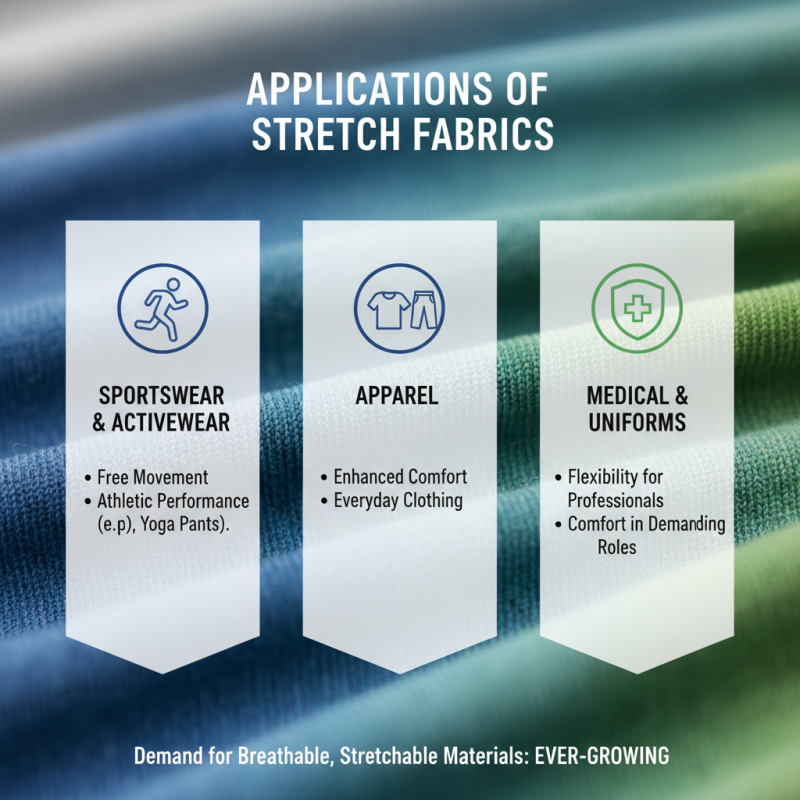
Stretch fabrics have become integral in various industries, enhancing comfort and functionality. They are widely used in apparel, sportswear, and activewear. These fabrics allow for free movement, making them perfect for athletic performance. For example, yoga pants use spandex blends to accommodate flexibility. The demand for breathable, stretchable materials is ever-growing.

In addition to fashion, stretch fabrics find applications in upholstery and automotive industries. For instance, furniture often features stretch textiles to ensure durability while maintaining comfort. Car seats use these fabrics for a snug fit, enhancing the vehicle's aesthetic. The adaptability of stretch materials can be both a blessing and a challenge. Sourcing the right type requires careful consideration of fabric composition and its intended use.

However, not all stretch fabrics perform equally. Choosing the wrong type can lead to issues like pilling or loss of shape. It’s crucial to balance cost and quality. Some fabrics might initially seem appealing but do not hold up under stress. Frequent testing and feedback from users can help improve sourcing decisions.

Global Sourcing Strategies: How to Choose the Right Stretch Fabric

Top 10 Stretch Fabric Types for Your Global Sourcing Needs?

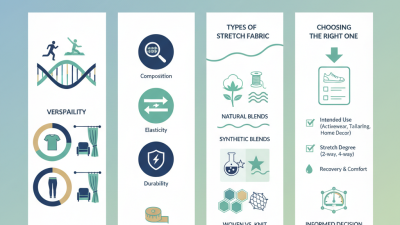
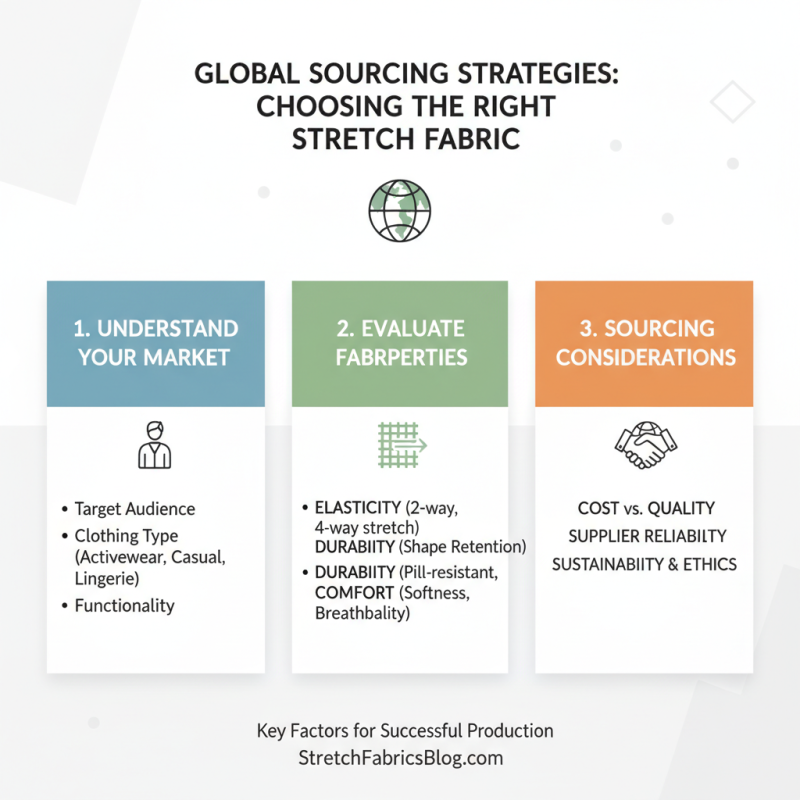
When it comes to global sourcing, selecting the right stretch fabric is crucial. Different types of stretch fabrics serve various purposes in clothing production. Understanding the specific needs of your target market will guide your selection process. Consider the fabric's elasticity, durability, and comfort.

Fabric composition plays a significant role in performance. For instance, blends of cotton and spandex offer breathability and shape retention. Conversely, polyester blends may excel in moisture-wicking properties. Weigh the pros and cons of each option carefully. This requires understanding the end-use of the garment. Will it be activewear or everyday apparel?

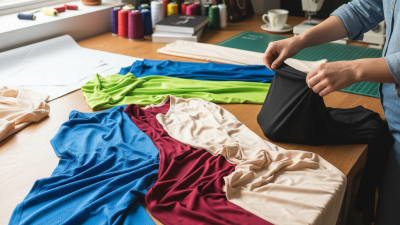
**Tips:** Always request fabric samples before making a large order. Touch and feel the fabric to ensure quality. Additionally, consider the environmental impact of your fabric choices. Sustainable fabrics may require higher upfront costs but can attract eco-conscious consumers. Balancing cost and quality is tricky but crucial for long-term success.