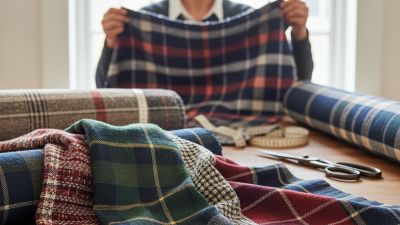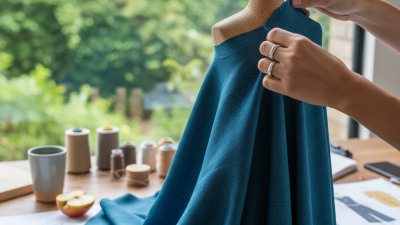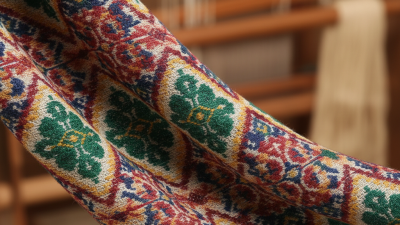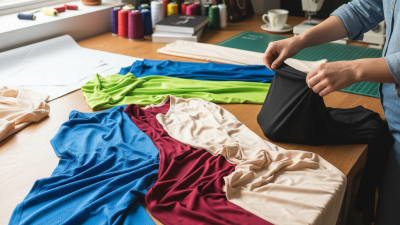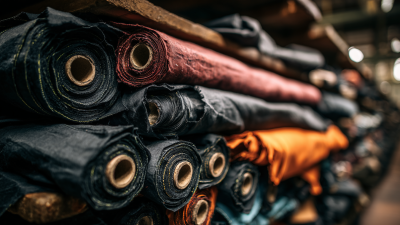
Global sourcing decisions often begin with a simple question: how will the fabric perform after repeated washing, cutting, and shipment? Yarn Dyed Fabric offers a practical answer for many woven products. Its yarns receive color before weaving, creating patterns that extend through the fabric structure. This can produce clearer checks, stripes, and plaids. The surface feels intentional, not merely printed.
Textile designer and educator Anni Albers wrote, “Color is the most relative medium in art.” Her observation matters in international sourcing. Light, fiber content, and finishing can change how color appears across markets. Experienced buyers therefore request lab dips, yarn samples, wash reports, and production swatches. They compare fabric under daylight and store lighting. Small differences become visible.
Yarn Dyed Fabric can also support dependable visual quality during production. A woven stripe remains integrated when the fabric is lightly abraded. However, it is not automatically the best choice. It may require longer planning, higher minimum quantities, and careful shade control between yarn lots. That weakness deserves attention. Cost estimates should include sampling, inspection, wastage, and freight, not only the quoted meter price. Suppliers should also provide fiber details, testing records, and clear information about origin and finishing processes. Responsible sourcing means checking claims rather than trusting attractive photographs. The best decision connects design intent with measurable performance, realistic lead times, and transparent supplier communication. Sometimes, the most honest conclusion is that a printed fabric suits the project better.
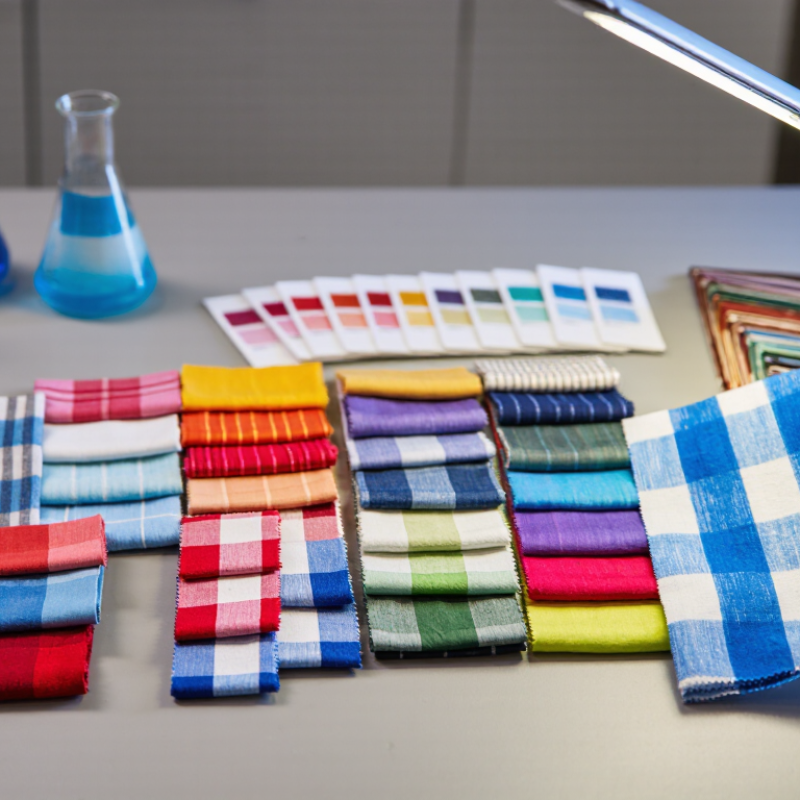
Yarn dyed fabric is made from threads colored before weaving or knitting. The colored yarns form the fabric’s pattern during construction. This differs from piece dyed fabric, which is colored after production.
During quality checks, buyers should inspect both sides of the fabric. A reliable yarn dyed fabric normally shows consistent color alignment across the width. The reverse side should also display the pattern clearly. Uneven tension can still distort stripes, especially after washing.
This fabric suits shirts, uniforms, home textiles, and lightweight jackets. It can support repeated washing when the yarn and dye process are well controlled. However, it often costs more than piece dyed fabric because production requires extra planning and separate yarn preparation.
Global sourcing teams should request fiber details, colorfastness results, shrinkage data, and sample measurements. A lab report helps, but it cannot replace physical inspection. I have seen attractive samples hide slight skewing after laundering. That possibility deserves attention before bulk orders. No fabric choice is perfect.
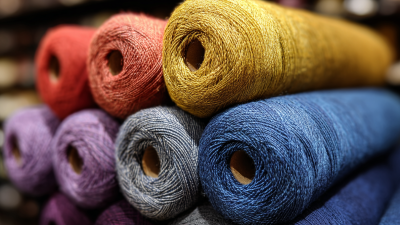
Yarn dyed fabric begins with colored yarn, not finished cloth. This changes the entire manufacturing sequence. Suppliers first select fiber content, yarn count, twist, and dye compatibility. The yarn is then wound into cones, hanks, or beams. These forms help the dye penetrate evenly. Operators control water temperature, pH, dye concentration, and processing time. Small changes can affect the final shade.
After dyeing, the yarn is washed and dried under controlled conditions. Technicians check color fastness, moisture, strength, and visible defects. The approved yarn moves to warping, weaving, or knitting. During production, inspectors compare fabric against a standard shade sample. They also examine stripes, checks, tension marks, and uneven color. The process is precise, but never perfectly predictable. Fiber variation and humidity can still create minor differences. That reality deserves honest communication during global sourcing.
Tips: Ask for yarn composition, dyeing method, shade tolerance, and test reports. Request a laboratory dip and a production sample. Check shrinkage after washing, not only before shipment. Confirm whether recycled fibers require different dye settings. Keep approved samples with purchase records. A practical detail matters: fabric rolls should be labeled by lot number. This makes shade tracking easier when several deliveries arrive. Mistakes happen. Clear records make them easier to investigate.
Yarn dyed fabric deserves attention in global sourcing because its color is built into the yarn before weaving. This process can create sharper checks, stripes, and heathered textures than many piece-dyed alternatives. The result feels more intentional.
Performance depends on construction. A tightly woven yarn dyed cotton shirt can resist surface wear and retain clearer patterns after repeated washing. A blended yarn may improve recovery, strength, or drying speed. AATCC testing methods help buyers assess colorfastness to laundering, rubbing, and light. These tests matter more than attractive samples. Textile Exchange’s 2024 Materials Market Report estimated global fiber production at 124 million tonnes in 2023. That scale makes long service life a practical sourcing concern, not only a design preference.
Yarn dyed fabric also supports reversible visual interest. A stripe remains visible on both sides, although the reverse may look softer or less saturated. Small flaws can be easier to notice. Shade matching between production lots still requires disciplined yarn approval and inspection. UNEP reports that textiles contribute approximately 2–8% of global greenhouse gas emissions, so durability may help reduce replacement pressure, but it is not an automatic sustainability claim. Fiber origin, dye chemistry, energy use, and finishing must be verified separately. A lower-impact choice can still fail if the fabric pills quickly or arrives with uneven tension. Testing should challenge the fabric. Not flatter it.
Why Choose Yarn Dyed Fabric for Global Sourcing?
When comparing yarn dyed fabric with piece dyed fabric, the key difference begins before weaving. Yarn dyed fabric colors individual yarns, creating patterns such as checks, stripes, and subtle textures. Piece dyed fabric is woven first, then colored as one finished piece. This process usually supports simpler solid colors and faster style changes.
Yarn dyed fabric often delivers sharper pattern definition and stronger visual depth. A shirt can show a clean check on both sides, even after repeated washing. It may also hide minor surface wear better. However, yarn dyeing requires more planning. Color matching happens before production, so late changes can affect schedules and minimum order quantities. Piece dyed fabric is often more flexible for seasonal colors. It can also reduce preparation time when buyers need a plain fabric quickly.
Cost is not always obvious. Yarn dyed fabric may require more skilled setup, extra yarn inventory, and stricter control during weaving. Piece dyed fabric may appear cheaper, but uneven dye penetration, shade variation, or additional finishing can create problems. A swatch can look perfect under showroom lights. It may change after washing. That detail deserves testing.
For global sourcing, buyers should compare laboratory color reports, wash results, fabric width, shrinkage, and production lead time. They should also request samples from different lots. Yarn dyed fabric is not automatically superior. Piece dyed fabric is not merely a budget option. The better choice depends on the design, order volume, delivery window, and acceptable risk. Mistakes still happen. Careful inspection reduces them.
Yarn dyed fabric is colored before weaving or knitting, while piece dyed fabric is colored after the fabric has been constructed.
Yarn dyed fabric can offer richer patterns, stronger color depth, and better visual consistency than many piece dyed options. However, global buyers should examine more than the fabric’s appearance. Ask whether the yarn was dyed before weaving or knitting, and request clear details about fiber content, yarn count, construction, and finishing.
Color approval needs discipline. Request lab dips, physical samples, and a sealed reference standard before bulk production. Check shade variation under daylight and store lighting. Test colorfastness to washing, rubbing, perspiration, and light. Shrinkage also matters, especially for garments with narrow size tolerances. A fabric may look excellent before washing, then change noticeably afterward. That risk is easy to underestimate.
Buyers should review minimum order quantities, production lead times, and replacement procedures for rejected rolls. Confirm inspection points, roll length records, packaging strength, and moisture protection during shipping. Reliable suppliers should provide recent test reports, traceable production information, and realistic delivery dates. Independent inspections can reveal weaving bars, broken yarns, or uneven tension before shipment. Destination-market requirements must also be checked with qualified compliance professionals. Documentation may differ by product and country.
A small pilot order is often wiser than a large first commitment. It exposes problems in shade matching, labeling, packing, and communication. The lowest quotation is not always the lowest cost. Yet buyers should question expensive technical claims too. Ask for evidence, not polished promises.