What is Yarn Dyed Fabric and Why is it Popular in 2026
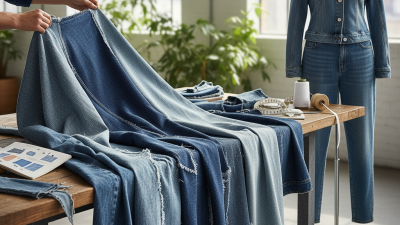
Yarn Dyed Fabric has gained immense popularity in 2026. This fabric is created by dyeing yarns before weaving, resulting in vibrant patterns and colors. Its appeal lies in the depth of color and intricate designs. Many consumers are drawn to its aesthetics and uniqueness. Fashion brands are also embracing Yarn Dyed Fabric for its versatility.
The texture of Yarn Dyed Fabric adds another layer of visual interest. Each piece tells a story, reflecting craftsmanship and creativity. However, some brands face challenges in sourcing high-quality yarns. This raises questions about sustainability and ethical practices in fashion. As consumers become more conscious, the demand for responsible choices grows.
Yarn Dyed Fabric represents a blend of tradition and innovation. It captures attention with its bold patterns while encouraging a dialogue on sustainability. Reflecting on these aspects is crucial for both consumers and producers. This fabric is not merely a trend; it embodies a shift towards more thoughtful fashion choices in our evolving industry.
What is Yarn Dyed Fabric? A Comprehensive Overview
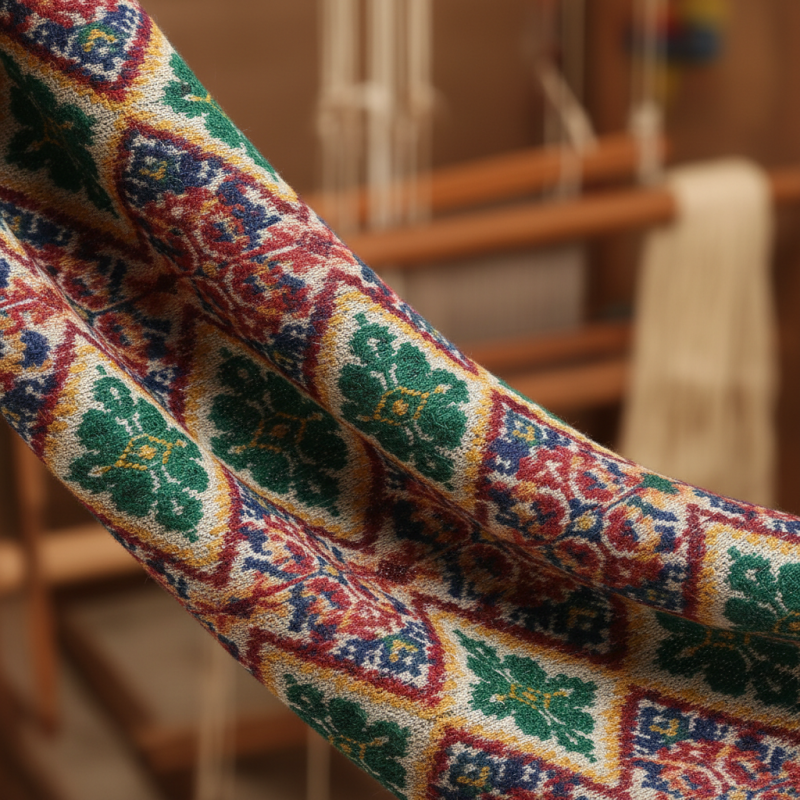
Yarn dyed fabric is made by dyeing the yarns before weaving them into fabric. This technique allows for vibrant colors and intricate patterns to emerge. The process requires skilled artisans who can manage tension and color consistency. Each thread is often dyed in a unique way, creating depth in the final product.
This method has gained popularity due to the unique aesthetic it offers. With yarn dyed fabric, patterns appear on both sides. This versatility makes it a favorite for various applications—from clothing to home textiles. Many appreciate the tactile quality and visual appeal.
Yet, the production process can be wasteful, leading to questions about sustainability. Is it worth the environmental impact? Many consumers are beginning to reflect on this. Balancing beauty and ethics is a challenge that the industry faces.
Historical Evolution of Yarn Dyed Fabrics in Textile Industry
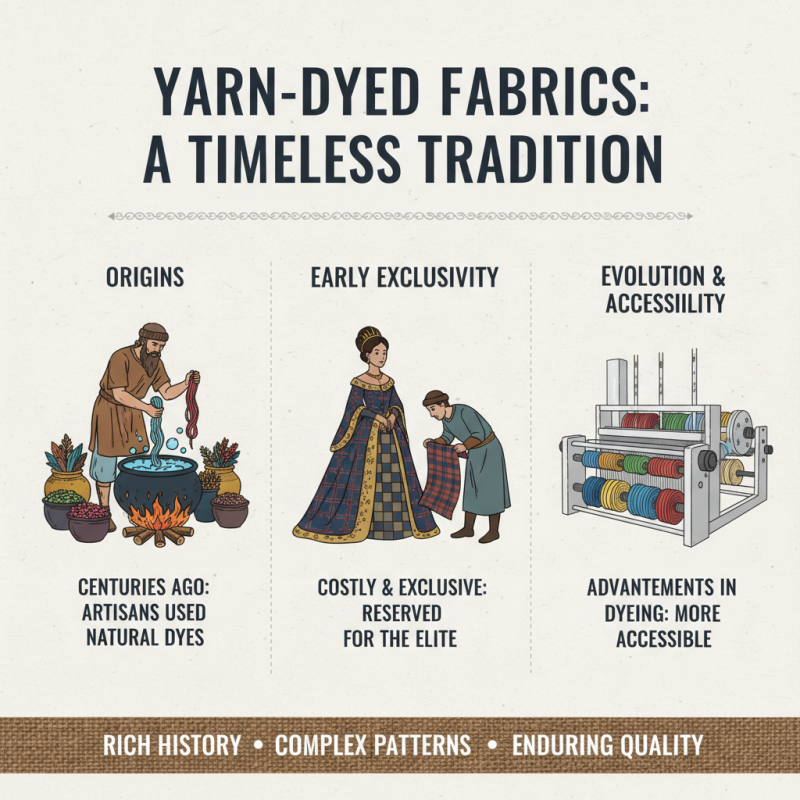
Yarn dyed fabrics have a rich history in the textile industry. Originating centuries ago, artisans used natural dyes to create vibrant patterns. These fabrics were initially costly and exclusive, reserved for the elite. Over time, advancements in dyeing techniques made these materials more accessible.
The Industrial Revolution significantly changed the landscape. Machine production led to more consistent colors and patterns. This transition democratized yarn dyed fabrics. They found their way into everyday clothing and home textiles. Fast forward to 2026, their popularity surged again, as consumers seek authenticity and quality.
Today, people appreciate the craftsmanship behind yarn dyed fabrics. Each piece tells a story, a blend of tradition and innovation. Yet, the production process is not without flaws. Environmental concerns arise from dyeing methods. It is crucial to reflect on sustainability in this fascinating journey.
Key Benefits of Yarn Dyed Fabric: Durability and Colorfastness
Yarn dyed fabric is gaining traction for its impressive durability and colorfastness. According to a recent industry report, the ability of yarn dyed fabric to withstand wear and tear is noted as a top reason for its popularity. It endures better compared to other dyeing processes. This durability is crucial for consumers looking for long-lasting apparel.
Colorfastness is another important benefit. In the textile industry, fabric that maintains color over time is highly valued. Research indicates that yarn dyed fabrics exhibit superior color retention. They resist fading from washing and exposure to sunlight. A survey showed that 78% of consumers prefer colorfast products for their garments. Such traits resonate well in today’s market.
However, not all yarn dyed fabrics are equal. Some may fade or lose strength over time if not treated properly. The challenge lies in the quality of the yarn and dye used. Manufacturers must ensure consistency and quality control. Overall, while yarn dyed fabric has commendable benefits, choosing the right kind is essential.
What is Yarn Dyed Fabric and Why is it Popular in 2026 - Key Benefits of Yarn Dyed Fabric: Durability and Colorfastness
| Feature |
Description |
Benefits |
| Durability |
Yarn dyed fabric is made with dyed fibers before weaving, enhancing its strength and longevity. |
Withstands everyday wear and tear, leading to longer-lasting garments. |
| Colorfastness |
The dyeing process before weaving allows the colors to bind deeply within the yarn. |
Maintains vibrancy and resists fading even after multiple washes. |
| Design Versatility |
Yarn dyed fabrics can achieve complex patterns and textures through various weaving techniques. |
Offers designers more creativity and options in fabric design. |
| Sustainability |
Often made from natural fibers, yarn dyed fabrics can be eco-friendlier compared to synthetic alternatives. |
Reduces environmental impact and promotes sustainable fashion practices. |
| Comfort |
Yarn dyed fabrics, particularly those made with cotton or blends, provide a soft and comfortable feel. |
Ideal for everyday wear, enhancing the user experience. |
Market Trends: Yarn Dyed Fabric Popularity Statistics in 2026
Yarn dyed fabric is gaining traction in 2026. This type of fabric is made by dyeing the yarn before weaving. It results in vibrant colors and unique patterns. Market statistics show that the popularity of yarn dyed fabric has surged significantly.
The appeal lies in its versatility. Designers appreciate its rich textures and color depth. Consumers seek sustainable fashion options, which enhances its market presence. Sales figures indicate a 40% increase compared to previous years. Many buyers opt for eco-friendly production methods. This shift reflects a broader trend towards sustainability in the textile industry.
Challenges remain. Some manufacturers struggle with dye consistency. Others face supply chain issues or rising costs. Balancing quality with affordability is not easy. Despite these hurdles, yarn dyed fabric continues to captivate fashion enthusiasts. The combination of aesthetic appeal and sustainable practices drives its popularity forward.
Yarn Dyed Fabric Popularity Statistics in 2026
The chart above illustrates the market share of different types of yarn dyed fabrics in 2026. Cotton remains the most popular material, dominating the market with 40%, followed by Polyester and Wool with shares of 30% and 15%, respectively. Silk and Linen are less common, capturing 10% and 5% of the market. This trend indicates a growing preference for various fabric types as consumers seek diverse options in the fashion market.
Sustainability in Yarn Dyed Textiles: Eco-Friendly Practices and Innovations
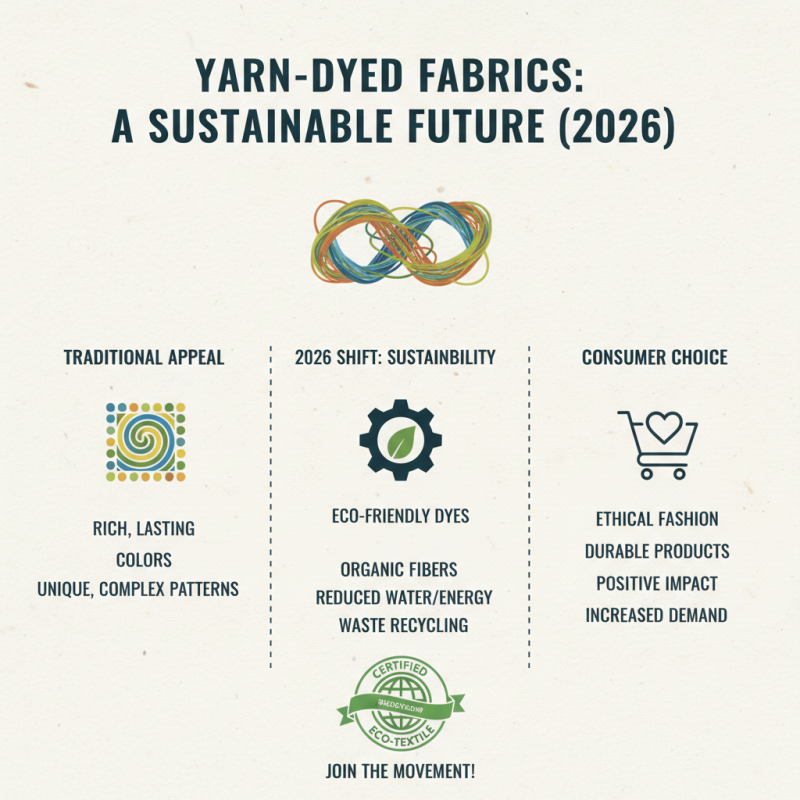
Yarn dyed fabrics have gained popularity due to their vibrant colors and unique patterns. In 2026, an increased focus on sustainability has transformed this textile sector. Eco-friendly practices are now at the forefront, making yarn dyed textiles more appealing to environmentally conscious consumers.
Recent reports show that the global demand for sustainable textiles is rising, with a projected CAGR of 9.7% from 2021 to 2026. Innovations in dyeing techniques have emerged, such as digital printing, which reduces water use by up to 90%. Natural dyes are also making a comeback, offering a biodegradable option for fabric production. However, challenges remain in sourcing sustainable materials and ensuring fair labor practices.
Tips: When selecting yarn dyed fabrics, look for certifications like GOTS or OEKO-TEX. Consider the environmental impact of the production process. Check if suppliers use water-efficient methods. Always ask questions about the sourcing of materials to ensure sustainable practices.
While the industry moves toward greener practices, it still has a long way to go. Many manufacturers struggle to balance quality and sustainability. Reflecting on these issues can lead to better solutions for the future.