Leave Your Message

Top 10 Best Recycled Denim Fabric Innovations for Sustainable Fashion

In recent years, the fashion industry has faced increasing scrutiny over its environmental impact, prompting a shift towards more sustainable practices. Among these innovations, Recycled Denim Fabric has emerged as a game-changer, combining eco-friendliness with style and functionality. This material not only reduces waste but also conserves resources, making it a key player in the quest for a greener future in fashion. As brands and consumers alike seek to minimize their carbon footprints, understanding the advancements in recycled denim technology is essential.
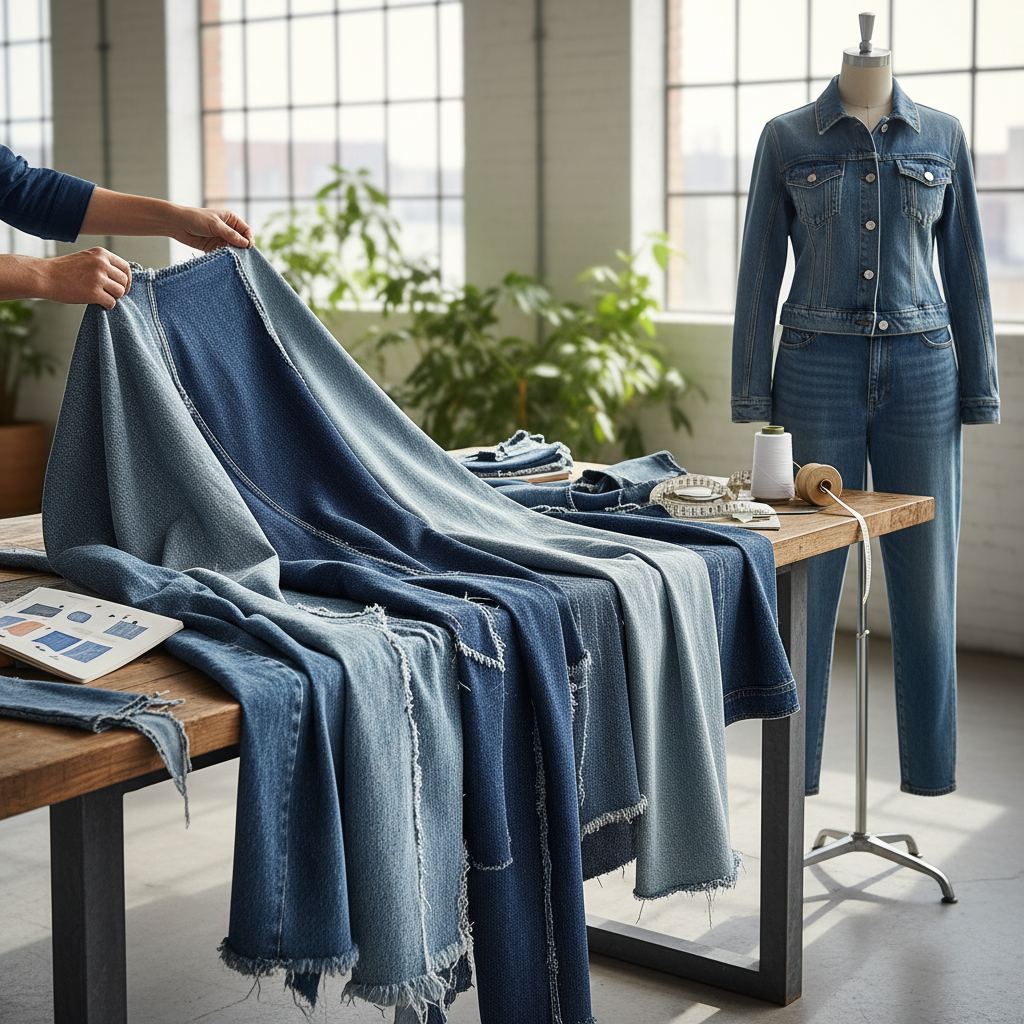
Top 10 Best Recycled Denim Fabric Innovations for Sustainable Fashion

This article explores the top 10 best innovations in Recycled Denim Fabric, showcasing how designers and manufacturers are reimagining this classic textile. From innovative production techniques that transform discarded jeans into premium fabrics to cutting-edge designs that redefine denim aesthetics, these advancements highlight the potential of recycling in the fashion world. By embracing these innovations, the industry can contribute to a more sustainable circular economy, where style and responsibility go hand in hand.

Join us as we delve into the remarkable progress being made in recycled denim and discover how it is shaping the future of sustainable fashion.

Innovative Techniques in Recycling Denim for Sustainable Production

Top 10 Best Recycled Denim Fabric Innovations for Sustainable Fashion

The fashion industry has long been criticized for its environmental impact, particularly in denim production. However, innovative techniques in recycling denim are paving the way for sustainable practices. One of the most promising methods is the use of laser technology, which not only reduces the amount of water and chemicals used but also allows for intricate designs to be created without compromising the fabric's integrity. This technique minimizes waste while maximizing creativity, making it an appealing option for eco-conscious designers.

Another exciting innovation is the process of transforming post-consumer denim into new fabrics through chemical recycling. This method involves breaking down the fibers into their basic components, which are then used to create high-quality yarn. This not only diverts denim waste from landfills but also reduces the need for new raw materials, thus lowering the overall carbon footprint. Brands that adopt this technique can position themselves as leaders in the movement towards circular fashion, showcasing a commitment to sustainability while appealing to modern consumers who value environmentally friendly practices.
Biodegradable Denim: Merging Style with Environmental Responsibility

The fashion industry is increasingly recognizing the importance of sustainability, and one of the most exciting innovations in this realm is biodegradable denim. This revolutionary fabric not only retains the style and comfort associated with traditional denim but also addresses the pressing environmental concerns posed by conventional clothing production. By using natural fibers and sustainable dyes, biodegradable denim allows fashion enthusiasts to make eco-conscious choices without sacrificing aesthetics.

Manufacturers are experimenting with innovative techniques to create denim that decomposes naturally at the end of its life cycle. This process significantly reduces landfill waste and minimizes the environmental footprint of the textile industry. Moreover, brands are embracing transparency by providing information about the sourcing and lifecycle of their products, empowering consumers to make informed purchasing decisions. As biodegradable denim gains popularity, it represents a crucial step toward merging style with environmental responsibility, paving the way for a more sustainable future in fashion.

Top 10 Best Recycled Denim Fabric Innovations for Sustainable Fashion - Biodegradable Denim: Merging Style with Environmental Responsibility

Innovation Name Description Sustainability Features Applications
Denim Made from Recycled Water Bottles Denim fabric created using recycled PET from plastic bottles. Reduces plastic waste, lightweight, durable. Jeans, jackets, accessories.
Organic Cotton Denim Denim produced from organic cotton without synthetic pesticides. Biodegradable, uses less water, supports biodiversity. Casual wear, workwear.
Recycled Cotton Blends Denim fabric that blends recycled cotton with new fibers. Diverts textile waste, reduces environmental impact. Denim clothing, fashion items.
Indigo Dyed with Natural Dyes Using plant-based indigo for dyeing fabrics. Non-toxic, supports sustainable agriculture. Fashion apparel, home textiles.
Biodegradable Denim Denim designed to decompose at the end of its life cycle. Completely biodegradable, minimal environmental footprint. Casual wear, eco-conscious collections.
Sustainable Wash Techniques Denim processing that uses less water and energy. Reduces water consumption, lowers chemical use. All types of denim apparel.
Recycled Denim Insulation Denim scraps repurposed as insulation material. Energy efficient, reduces landfill waste. Building insulation.
Zero Waste Pattern Making Pattern designs that minimize fabric waste during cutting. Maximizes fabric usage, reduces textile waste. Diverse apparel manufacturing.
Upcycled Denim Fashion Designing new fashion items from pre-owned denim. Promotes reuse, supports circular economy. Unique fashion items, accessories.
French Terry Denim A fusion of comfortable French terry and traditional denim. Soft feel, allows for circular weaving with low waste. Casualwear, athleisure.

Upcycled Denim: Transforming Waste into Fashion Statements

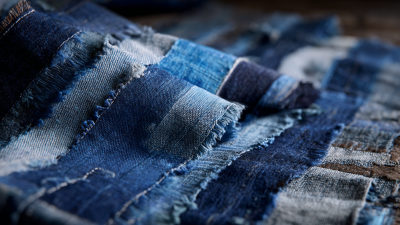
Upcycled denim is leading the charge against the detrimental impacts of fast fashion, which currently accounts for approximately 10% of global climate emissions, as reported by the UN Environment Program. As consumers become increasingly aware of these environmental challenges, a new generation of designers and small businesses are stepping up to transform textile waste into fashion statements. By utilizing unwanted denim and other textiles, these innovators not only reduce waste but also create unique and stylish products that resonate with eco-conscious consumers.

Recent trends indicate a growing demand for distressed and upcycled garments, with denim being a standout material for the upcoming spring/summer 2025 collections. This includes creative transformations from old jeans into chic accessories and clothing, showcasing how the industry can embrace sustainability without sacrificing style. The push for recycling technologies is vital, as it offers the potential to lessen the environmental footprint of fashion while meeting evolving consumer demands. Innovations in upcycled denim provide a promising glimpse into a future where fashion is synonymous with responsibility and creativity.

Smart Technologies Enhancing Recycled Denim Manufacturing Processes

Top 10 Best Recycled Denim Fabric Innovations for Sustainable Fashion

In recent years, the fashion industry has seen an increasing demand for sustainable practices, particularly in the denim sector. Innovative smart technologies are revolutionizing the recycling of denim fabrics, making the manufacturing process not only more efficient but also environmentally friendly. According to a report from the Ellen MacArthur Foundation, the textile industry is responsible for 1.2 billion tons of greenhouse gas emissions annually, highlighting the urgent need for sustainable innovations like recycled denim.

Technologies such as laser cutting and 3D knitting are at the forefront of this transformation. Laser technology allows for precise cutting and distressing of denim without harmful chemicals, reducing water usage by up to 90% compared to traditional methods. Additionally, 3D knitting creates seamless garments from recycled denim fibers, minimizing waste while enhancing durability. A recent study by McKinsey & Company indicates that incorporating recycled materials can reduce water consumption by 74% and energy usage by 60%, presenting a compelling case for brands to adopt these smart technologies in their manufacturing processes.

Furthermore, advancements in chemical recycling methods allow for the breakdown of denim fibers back into their original components, enabling a circular economy in fashion. Brands utilizing these methods can not only decrease waste but also lower production costs, as seen with companies like Levi’s, which have successfully integrated these processes into their supply chains. As consumer awareness grows, leveraging these innovative technologies in recycled denim production will be pivotal for brands aiming to align with sustainable fashion initiatives.

Eco-Friendly Dyeways and Finishing Techniques for Sustainable Denim

The rise of sustainable fashion has ushered in a wave of innovation in the denim industry, particularly focused on eco-friendly dyeways and finishing techniques. Traditional dyeing processes often involve harmful chemicals, large amounts of water, and significant energy consumption. However, emerging methods such as natural indigo dyeing and plant-based dyes are gaining traction, offering a biodegradable alternative that minimizes environmental impact. These techniques not only produce vibrant colors but also enhance the fabric's texture, providing a unique look that appeals to eco-conscious consumers.

In addition to sustainable dyeing, finishing techniques have evolved to embrace environmentally friendly practices. Methods like laser finishing and ozone treatment dramatically reduce water and chemical usage in the denim washing process. These technologies allow for the creation of various textures and fades while preserving the quality of the fabric. Moreover, innovations in waterless dyeing technologies, such as air-dyeing and digital printing, further push the boundaries of sustainable denim production. Together, these advancements are redefining the standards of denim production, making it cleaner, greener, and more aligned with the values of today’s environmentally aware shoppers.