Best Recycled Nylon Fabric for Sustainable Fashion Solutions?
In today’s fashion industry, sustainability is more critical than ever. The use of materials like Recycled Nylon Fabric is reshaping how brands approach eco-friendly solutions. This innovative fabric is made from discarded nylon products, helping to reduce waste. It fosters a circular economy by converting old textiles into stylish, functional garments.
Many leading designers and companies focus on Recycled Nylon Fabric for their collections. This fabric not only reduces environmental impact but also maintains quality and durability. However, finding the best options can be challenging. Some brands overlook ethical production, raising questions about sustainability efforts.
Choosing Recycled Nylon Fabric encourages mindful consumption and promotes awareness. It's essential to scrutinize brands and their practices. Are they genuinely committed to sustainability? As consumers, we play a vital role in pushing the fashion industry towards better practices. Balancing style with eco-conscious choices creates a demand for improvement and responsibility.
Overview of Recycled Nylon Fabric in Sustainable Fashion
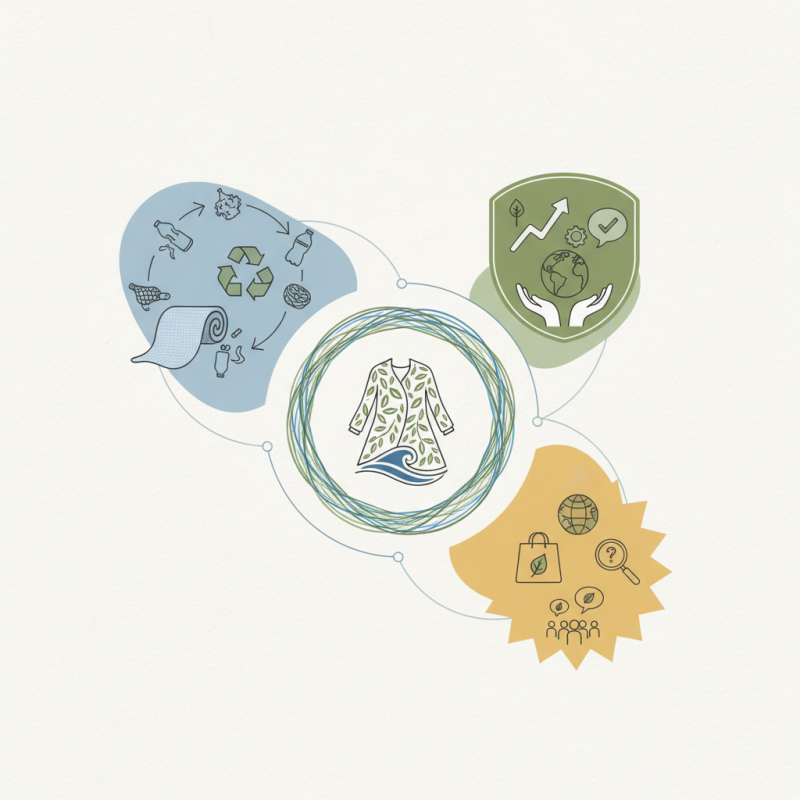
Recycled nylon fabric is emerging as a game-changer in sustainable fashion. The fabric is made from discarded materials, such as fishing nets or fabric scraps. Research shows that using recycled nylon can decrease carbon emissions by as much as 80%. This presents a profound opportunity for brands to reduce their environmental footprint significantly.
Despite its benefits, the recycled nylon industry faces challenges. The quality of recycled materials can vary widely. This inconsistency can affect the final product, making it less appealing to some consumers. Additionally, the recycling process itself can require significant energy and resources, raising questions about its overall sustainability.
Transparency is crucial in this evolving market. Brands need to provide clear information about their sourcing and production processes. Independent certifications can help in building consumer trust. Consumers are becoming more discerning. They seek not just eco-friendly options but also reliable information about their clothing. Embracing these challenges will be vital for a truly sustainable future in fashion.
Best Recycled Nylon Fabric for Sustainable Fashion Solutions
| Fabric Type |
Recycled Content (%) |
Applications |
Environmental Benefits |
Durability |
| Nylon 6 |
80% |
Activewear, Swimwear |
Reduces waste, low carbon footprint |
High |
| Nylon 66 |
70% |
Outdoor gear, Accessories |
Reuses end-of-life products |
Very High |
| Bio Nylon |
50% |
Fashion apparel, Footwear |
Biodegradable, lower CO2 emissions |
Moderate |
| Regenerated Nylon |
100% |
Lining, Bags |
Zero waste, ecosystem-friendly |
High |
Key Properties and Benefits of Recycled Nylon in Apparel Manufacturing
Recycled nylon fabric has gained attention for its sustainability in fashion. This material comes from discarded nylon products, like fishing nets and fabric scraps. The process of recycling reduces waste and energy use, making it a greener choice for apparel manufacturing.
One of the key properties of recycled nylon is its durability. It remains strong and resistant to damage, similar to virgin nylon. This makes it an excellent option for activewear and outerwear. Additionally, it retains the lightweight and moisture-wicking characteristics that consumers appreciate. Though it offers many benefits, there are challenges. The recycling process can sometimes compromise the fiber quality, leading to variability in performance.
Sustainability in fashion isn’t just about materials. It requires a shift in consumer mindset as well. Brands must emphasize transparency and encourage eco-friendly practices. More than just using recycled nylon, the focus should be on the entire lifecycle of clothing. With awareness growing, the fashion industry can embrace recycled nylon and lead the sustainable movement.
Key Properties and Benefits of Recycled Nylon in Apparel Manufacturing
Market Trends: Growth of Recycled Nylon in the Fashion Industry
The fashion industry is witnessing a significant shift towards sustainability, and recycled nylon is at the forefront. According to a report from Textile Exchange, the market for recycled nylon is projected to grow by 30% over the next five years. This surge reflects a broader trend in consumer preferences, where eco-conscious choices are becoming more vital. The production of recycled nylon reduces reliance on virgin materials and decreases greenhouse gas emissions. However, this transition is complex.
While the potential is promising, challenges remain. The collection and processing of waste materials can be inefficient, leading to quality inconsistencies. A study from McKinsey highlights that less than half of recycled nylon is of high enough quality for premium fashion items. Additionally, some manufacturers struggle with the constant supply of recyclable materials. This inconsistency may hinder brand commitments to sustainability. Yet, the call for improvement drives innovation. Brands are now investing in closed-loop systems to enhance the quality and availability of recycled fabrics.
Data from Global Fashion Agenda indicates that 84% of brands plan to change material sourcing by 2025. This shift denotes a pivotal change in the industry's approach to sustainability. It's crucial to acknowledge the roadblocks while aiming for a more sustainable future. Only then can recycled nylon fulfill its potential, shaping a more responsible fashion landscape.
Case Studies: Brands Leading in Recycled Nylon Adoption
In the realm of sustainable fashion, recycled nylon is gaining momentum. Several brands are at the forefront of this movement, showcasing how effective adoption can make a significant impact. One brand, for example, launched a collection using recycled fishing nets, diverting waste from oceans. This innovative approach not only reduces environmental harm but also creates stylish products.
Tips for brands considering recycled nylon:
Begin by sourcing materials responsibly. Partnerships with recycling organizations can help ensure a steady supply. Next, focus on quality. Non-toxic dyes and processes can enhance the fabric's appeal. Engaging customers through transparent storytelling is also crucial. Highlight the positive environmental impact of purchasing recycled products.
There's room for improvement in this sector. Some brands struggle with consistency in quality when sourcing recycled materials. Consumer awareness is still lagging in some areas. Education on the benefits of recycled fabrics is essential. Brands must also be open to feedback and willing to adapt their processes. The journey toward a more sustainable future is ongoing, and leaders must remain vigilant and innovative.
Environmental Impact Assessment of Recycled Nylon versus Virgin Nylon
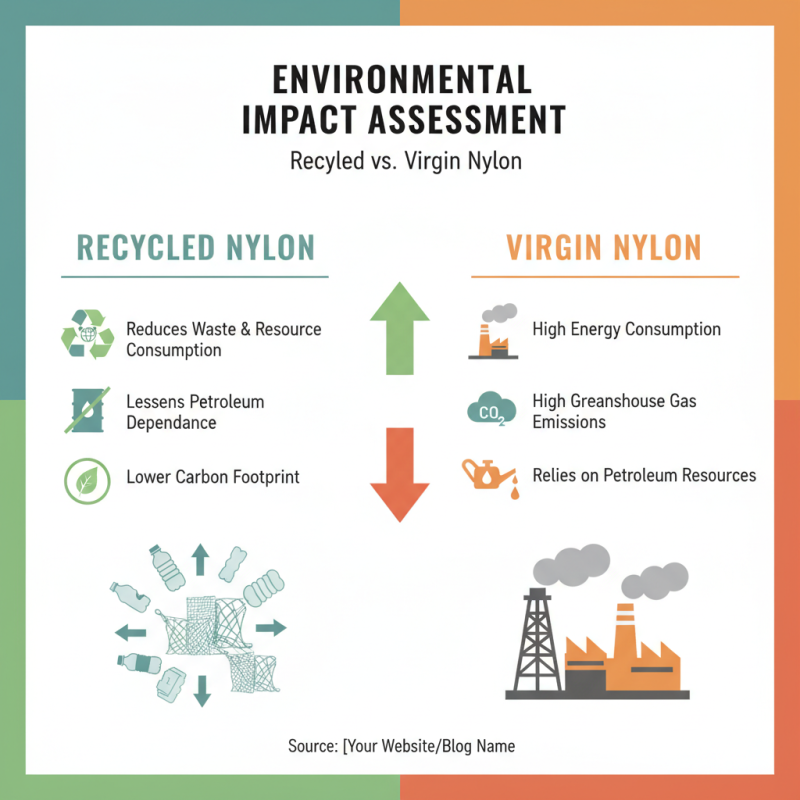
The environmental impact of recycled nylon compared to virgin nylon reveals significant insights. Recycled nylon is produced from post-consumer materials, reducing waste and resource consumption. This process lessens the reliance on petroleum-based resources. Conversely, virgin nylon production consumes a considerable amount of energy and emits high levels of greenhouse gases.
However, the quality of recycled nylon often raises concerns. Some products may exhibit reduced durability or performance compared to their virgin counterparts. This is an area that requires continuous improvement. Additionally, the recycling process can still involve harmful chemicals and energy use, suggesting that it isn't entirely without flaws. Evaluating these aspects is essential to determine the best sustainable options.
Incorporating recycled nylon into fashion promotes a circular economy. Yet, consumers must be cautious about perceived value versus actual impact. Many brands claim sustainability but don't fully disclose their practices. Transparency is vital for making informed decisions. Shoppers must question product origins and production methods to support true eco-friendly initiatives.