How to Choose the Best Recycled Nylon Fabric for Your Projects?
Choosing the right Recycled Nylon Fabric can significantly impact your project's success. According to industry expert Jane Doe, "Not all recycled nylon is created equal." Her insight highlights the importance of understanding the choices available.
When selecting Recycled Nylon Fabric, consider factors like origin and durability. Fabrics sourced from post-consumer waste often carry unique stories. However, quality can vary. Some materials might not meet the durability needed for heavy-use items.
Be aware of the details. Look for certifications that guarantee sustainability and quality. Reflect on previous experiences with recycled fabrics. Perhaps you encountered issues with strength or colorfastness. Each project has its own requirements, so choose wisely.
Understanding Recycled Nylon Fabric and Its Benefits
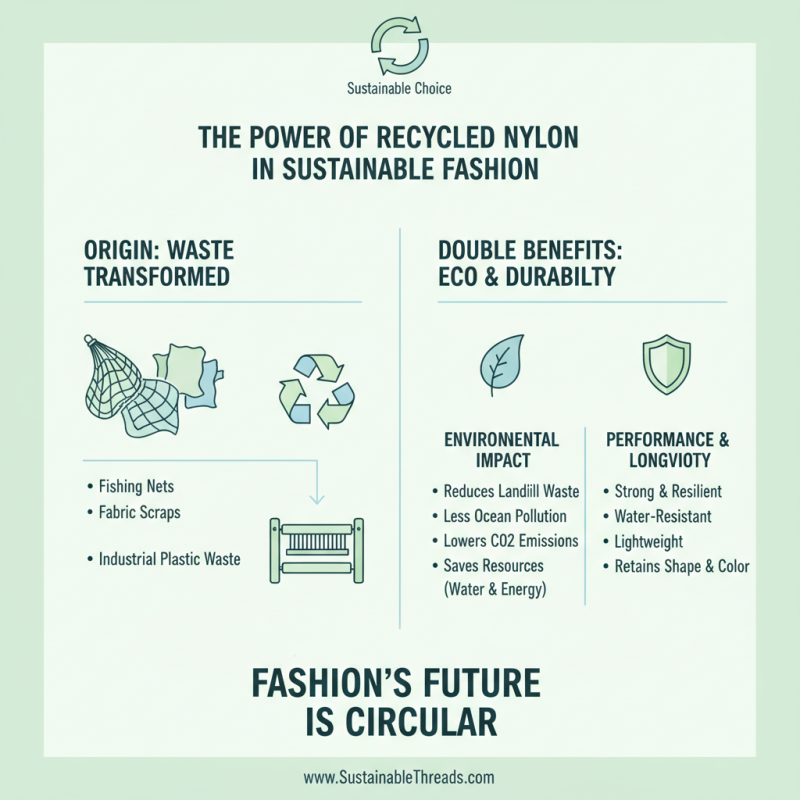
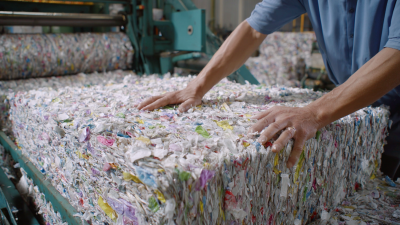
Recycled nylon fabric has become increasingly popular in sustainable fashion. This material is made from repurposed nylon waste, such as fishing nets and fabric scraps. Its benefits are numerous, combining environmental consciousness with durability.
One major advantage of recycled nylon is its lower environmental impact. By using existing materials, we reduce the demand for new nylon production, which is energy-intensive. Additionally, recycled nylon often maintains the same quality as virgin nylon. This means you can create long-lasting products without compromising on performance.
**Tips:** When selecting recycled nylon, consider the sourcing process. Look for transparency in materials. Pay attention to certifications. Not all recycled nylons are created equal. Some may contain additives that complicate recyclability.
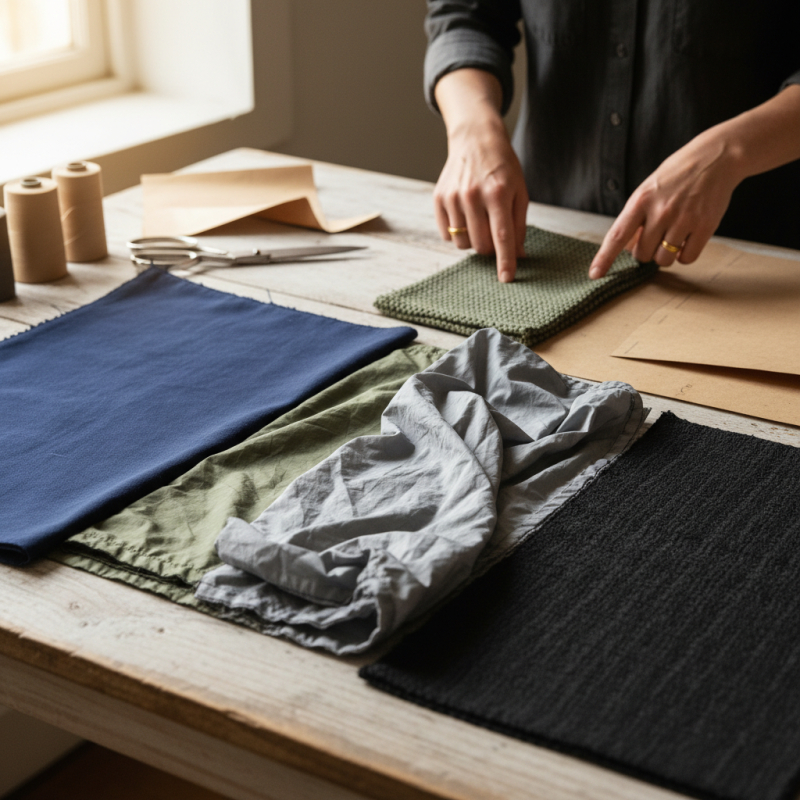
Choosing the right fabric can be tricky. The texture and weight of recycled nylon can vary widely. Some may feel rough or have an inconsistent finish. Testing small samples before committing to larger purchases can save you time. Ask yourself if the fabric meets your project requirements. Does it have the right stretch, thickness, or look?
Identifying Your Project Requirements for Fabric Selection
When selecting recycled nylon fabric, it’s crucial to identify the specific requirements of your project. Different applications call for different material characteristics. For instance, outdoor gear often needs water resistance and durability, while fashion items may prioritize softness and drape. The Global Textile Recycling Report indicates that recycled nylon can reduce carbon emissions by up to 80%. This significant benefit must align with your project's sustainability goals.
Consider the weight and thickness of the fabric. A lighter fabric may work wonders for activewear, but it may lack durability for heavy-duty items. According to a study by the Fiber Science Institute, the tensile strength of recycled nylon can vary greatly. This means not all fabrics are created equal, even within the same category.
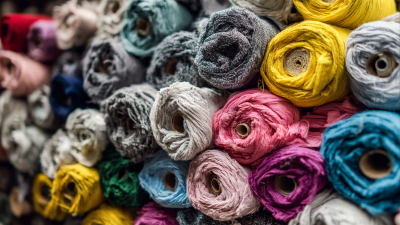
Pay attention to texture and feel. Some recycled nylons can be rough. This might not be suitable for garments where comfort is critical. Research has shown that fabric feel can influence consumer choice by 50%. Therefore, testing samples before making final decisions is essential. Reflect on how each choice impacts not just the end-use but also the environment and economy.
How to Choose the Best Recycled Nylon Fabric for Your Projects?
| Fabric Type |
Weight (GSM) |
Durability |
Water Resistance |
Breathability |
Typical Uses |
| Recycled Nylon Taffeta |
70-100 |
Moderate |
Yes |
Low |
Linings, bags |
| Recycled Nylon Ripstop |
100-150 |
High |
Yes |
Moderate |
Outdoor gear, tents |
| Recycled Nylon Spandex Blend |
150-200 |
Moderate |
No |
High |
Activewear, swimwear |
| Recycled Nylon Canvas |
200-300 |
Very High |
Yes |
Low |
Bags, upholstery |
| Recycled Nylon Twill |
150-250 |
High |
Maybe |
Moderate |
Apparel, uniforms |
Evaluating Quality Indicators of Recycled Nylon Fabrics
When selecting recycled nylon fabric, evaluating quality indicators is crucial. Look for the fabric's texture. A soft, smooth finish usually indicates good quality. Rough textures might signal a less refined process. Check for durability too. Fabrics that easily tear or fray may not withstand wear and tear.
Another important factor is breathability. Quality recycled nylon should allow moisture to escape. This makes it comfortable for various applications. Try to stretch the fabric gently. If it bounces back without losing shape, that's a good sign. Inspect the color as well. Uneven or faded hues often indicate lower quality processing methods.
Recycled nylon can vary significantly in quality. Some materials feel lightweight yet strong, while others may feel flimsy. Be cautious about overly glossy finishes. They may hide defects under the surface. Trust your instincts when assessing. Sometimes, it takes a bit of trial and error to find the right fabric.
Sources and Certifications of Sustainable Recycled Nylon
When selecting recycled nylon fabric, understanding its sources and certifications is vital for sustainability. Recycled nylon mainly comes from waste materials like fishing nets and fabric scraps. The Global Fashion Agenda reports that using recycled nylon can reduce carbon emissions by up to 80% compared to virgin nylon production. However, not all recycled nylon is created equal.
Look for certifications that guarantee sustainable sourcing.
The Global Recycle Standard (GRS) certifies products made from recycled materials. It also ensures that ecological and social criteria are met during production. The Recycled Claim Standard (RCS) is another certification focusing on tracking recycled raw materials. These certifications help you make informed choices, ensuring that you support practices that benefit both the environment and communities.
Despite these options, navigating through different claims can be challenging. Some products may market themselves as "sustainable" without legitimate backing. Transparency is key. Always research the supply chain and confirm certifications. Sustainable projects demand careful consideration of materials. This reflection can lead to more ethical choices in the fashion industry.
Comparing Cost and Availability of Recycled Nylon Options
When considering recycled nylon fabric, cost and availability are crucial factors. Prices can vary significantly based on the source of the fabric. Some recycled nylon may be more affordable, but the quality might not meet expectations. It's essential to weigh your budget against the durability you require. Sometimes, opting for a pricier option leads to better performance and longevity in your projects.
Availability can also pose challenges. Not all suppliers carry a wide range of recycled nylon fabrics. It can be frustrating to find the right color or texture. Some materials may only be available in limited quantities, making it hard to plan large projects. Be prepared for possible delays in sourcing. If you have a specific project in mind, check suppliers early on. Online platforms might offer more options than local stores, but shipping costs can add up.
Ultimately, finding the right balance between cost and availability requires research. Some fabrics may look appealing, but their practical use might fall short. Keep experimenting and learning from each project. This approach will refine your selection process over time. Always remember that trial and error is part of creating something meaningful.