Choosing the right Micro Fabric supplier can shape a product’s quality, cost, and market reputation. The decision involves more than comparing online prices. Fabric weight, fiber composition, stretch recovery, surface finish, color consistency, and shrinkage can affect every production stage. A supplier may offer an attractive sample, yet performance can change during bulk manufacturing.
Experienced buyers usually begin with clear technical requirements. Define the fabric’s intended use, target GSM, width, construction, tolerances, and required testing. Ask for recent laboratory reports, production samples, and traceable fiber information. If the material will touch skin, request relevant safety and chemical compliance documents. Small details matter. A slightly uneven edge can increase cutting waste. Delayed dye approval can also disrupt an entire launch.
Supplier evaluation should include more than certifications. Review factory experience, quality-control procedures, equipment, minimum order quantities, lead times, and communication habits. A reliable supplier explains limitations instead of promising everything. Request a sample yardage, wash it, stretch it, and compare it with the approved standard. Keep written records of every change.
No supplier is perfect. That is worth remembering. Even a capable factory may face capacity pressure or raw-material delays. Ask how problems are reported and corrected. Site visits, independent inspections, and staged payments may reduce avoidable risk. The strongest partnership develops through evidence, honest communication, and consistent follow-up. Selecting a Micro Fabric supplier is not a single purchase decision. It is a practical assessment of reliability, technical fit, and long-term cooperation.
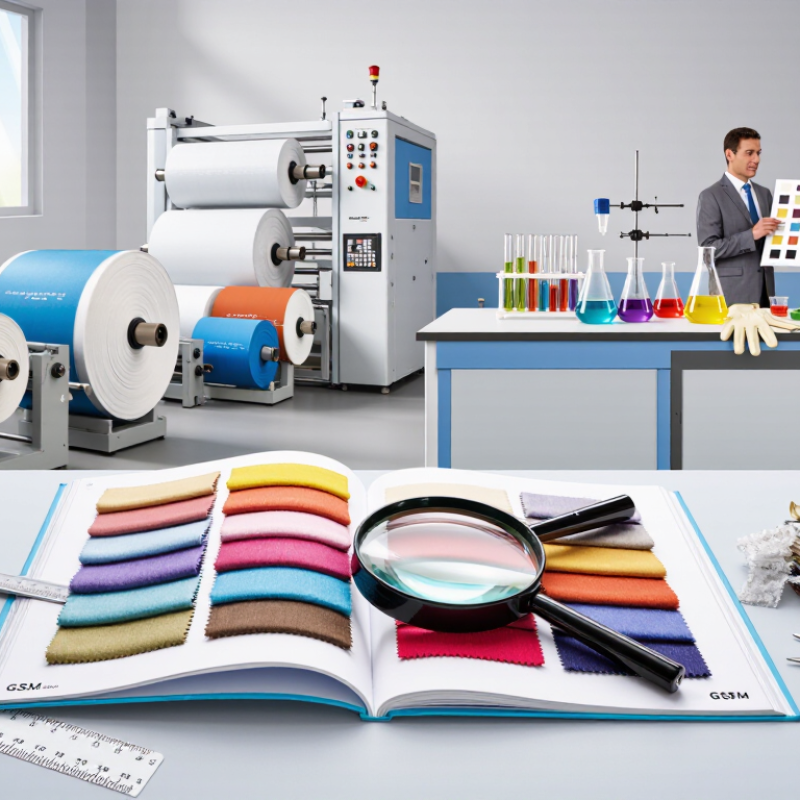
Before contacting a micro fabric supplier, describe the job the fabric must do. “Micro” can refer to fine-denier fibers, but it does not specify softness, weight, or performance. Name the end use: lining, activewear, cleaning cloths, or lightweight outerwear. These uses need different constructions. Be specific.
Record fiber content, target weight in GSM, usable width, color range, and required stretch. Note whether the fabric must dry quickly, resist pilling, block wind, or tolerate repeated washing. Set acceptable limits, not just ideal numbers; for example, define a GSM range and minimum stretch recovery. If hand feel matters, describe it with observable comparisons, such as “smooth, not slippery,” and request a physical swatch. Words can mislead.
Ask for details about knit or weave, finishing, shrinkage, and colorfastness. Match each request to a test method or agreed inspection. Consider order quantity, repeatability, and lead time. Before approval, wash and handle samples as your customers will. Compare the sample with bulk production under the same light. Tiny shade changes may matter. One weak spot in many briefs is over-specification: a finish may be requested before confirming it improves the product. Leave room to revise after sampling, and record every change so both sides work from the same version.

A reliable micro fabric supplier should explain what the fabric is made of, not just call it “soft” or “durable.” Ask for fiber composition, fabric weight, weave or knit structure, and finishing details. A small swatch can feel smooth under bright showroom lights, yet behave differently after washing. Request samples in the intended color and finish. Small details matter.
Quality checks should match the fabric’s real use. For upholstery, ask about abrasion testing and seam strength; for garments, check shrinkage, pilling, and colorfastness after laundering. Compare results with the test method and conditions, since numbers without context can mislead. Inspect several areas of a sample for uneven texture, loose fibers, or shade variation. One perfect sample is not enough. Batch consistency deserves attention.
Production capability matters just as much as the material itself. Ask what minimum order quantities, monthly capacity, and lead times the supplier can support, and whether those figures change during busy periods. Discuss how incoming fibers and finished rolls are inspected, and whether defects can be traced to a production lot. A factory visit or a small pilot run may reveal practical issues that a specification sheet misses. Plans can change; get key details in writing and leave room for honest questions.
A reliable micro fabric supplier should provide certificates that match the fabric you plan to buy, not just a general company certificate. Check the document’s scope, issuing body, test date, and whether it covers the specific fiber blend or finish. Check the date. Ask for recent test reports and confirm that production batches can be traced to their material records. A certificate is useful, but it does not replace checking a sample.
Customization affects both fabric performance and consistency. Share clear specifications for weight, width, stretch, color, and surface feel. If you need a brushed finish or a particular hand feel, request a swatch before approving bulk production. A small sample may feel different from a full roll, so ask how the supplier controls variation between batches. Be specific, but leave room for technical feedback; a requested finish may change shrinkage or durability.
Minimum order quantities can vary by color, finish, and machine setup. Small runs cost more. Ask whether the minimum applies per design, color, or total order, and request pricing at a few volume levels. A lower MOQ can help test demand, though setup fees may raise the unit price. I would also clarify what happens if a sample is approved but the first production lot feels slightly different. That detail is easy to overlook, and it deserves a written answer.
Compare certification evidence, customization options, and minimum order quantities (MOQs) before requesting quotes.
How to use this chart: The point allocation is an illustrative buyer-planning example, not a supplier survey. Ask for current, scope-appropriate certificates (such as OEKO-TEX® STANDARD 100 or GOTS where applicable), confirm which fabric specifications can be customized, and obtain the MOQ for each construction, color, and finish.
Compare supplier quotes on the same specification: fiber content, width, weight, finish, minimum order, and delivery terms. Ask for a cost breakdown, including sampling, freight, and any setup charges. A low quote can look tidy on a spreadsheet. It may not stay tidy. Textile Exchange’s Materials Market Report 2024 estimates global fiber production reached 124 million tonnes in 2023, with polyester making up 57%. That scale makes clear fiber content matters; confirm it in writing rather than relying on a generic “microfiber” label.
Check lead times as separate milestones: sample dispatch, approval, bulk production, and shipping. Request typical and peak-season ranges, plus the date when the production clock starts. Then compare those dates with your launch calendar. Sample policies deserve equal scrutiny. Confirm whether the first sample is charged, how many revisions are included, and whether sample fees are credited against a bulk order. A swatch can feel soft yet behave differently after washing. I still allow for that gap.
Tips: Ask for a dated quote and a physical sample made to the proposed bulk specification. Keep one approved swatch for comparison. Record what changed, even if the difference seems minor.
| Supplier Profile | Typical Fabric Offering | Indicative Price per Meter (USD) |
Typical MOQ | Bulk Lead Time | Sample Policy | Quality & Customization | Best Fit |
|---|---|---|---|---|---|---|---|
| Stock Fabric Distributor | Common microfiber polyester, nylon microfiber, and brushed microfleece Usually available from existing inventory | $2.00–$5.00 | 50–300 meters per color | 1–3 weeks | Small swatches are often free Buyer normally pays shipping; cut-length samples may be charged | Standard specifications Limited control over fiber blend, finish, and color matching | Small launches, urgent replenishment, and testing existing fabrics |
| Specialist Knitting or Weaving Mill | Microfiber jersey, tricot, interlock, woven microfiber, and performance blends Construction and weight can usually be selected | $3.50–$8.00 | 500–1,500 meters per color | 4–8 weeks | Lab dips and fabric swatches available Development samples may require a fee or refundable deposit | Strong technical control Better consistency in GSM, width, stretch, and finishing | Brands requiring repeatable quality and moderate customization |
| Performance-Fabric Manufacturer | Moisture-wicking, quick-dry, anti-odor, UV-resistant, and recycled microfiber fabrics Performance claims should be supported by test reports | $5.00–$12.00 | 1,000–3,000 meters per color | 6–10 weeks | Swatches are commonly available Performance testing and prototype yardage may incur additional costs | High technical capability Suitable for controlled finishes, certification requests, and testing programs | Activewear, outdoor products, uniforms, and technical applications |
| Custom Development Mill | Bespoke microfiber constructions, custom blends, special coatings, and proprietary finishes Development begins from a detailed technical specification | $7.00–$18.00+ | 2,000–5,000 meters per color | 10–16 weeks | Paid prototypes and multiple development rounds Approval may require testing, revisions, and a signed specification | Highest customization potential Higher development cost and longer approval cycle | Distinctive products with proprietary performance or hand-feel requirements |
| Low-MOQ Sampling Supplier | A curated range of microfiber fabrics in stock colors and standard constructions Options may be narrower than those offered by a direct mill | $4.00–$9.00 | 20–100 meters per color | 2–5 weeks | Paid swatches or sample cards Sample charges may be credited against a later bulk order | Moderate customization Good access to small quantities; limited control over production slots | Start-ups, pilot collections, and demand validation |
| Full-Service Textile Trading Partner | Multiple microfiber constructions sourced from a network of mills May coordinate fabric, dyeing, finishing, inspection, and logistics | $3.00–$10.00 | 300–1,500 meters per color | 5–12 weeks | Swatch books and coordinated sample submissions Sample and courier costs vary by project scope | Broad sourcing flexibility Verify mill identity, test reports, production controls, and traceability | Buyers needing supplier coordination across several fabric requirements |
| Evaluation note: Prices are indicative market ranges for standard microfiber fabrics and can change with fiber composition, GSM, width, color, finishing, certification, order volume, freight, and payment terms. Before placing a bulk order, compare the same specification, request a pre-production sample, confirm the delivery schedule in writing, and clarify whether sample fees are refundable. | |||||||
A reliable micro fabric supplier should welcome testing before discussing large orders. Request samples from different production lots, not one carefully selected roll. Check GSM, width, stretch recovery, shrinkage, colorfastness, pilling, and seam performance. For micro fabrics, small changes in yarn tension can create visible ripples or uneven hand feel. Test after washing, too. The fabric may look excellent on day one and disappoint after three cycles.
Use recognized methods from AATCC, ASTM, or ISO, and require signed laboratory reports with test dates and sample codes. Textile Exchange’s 2024 Materials Market Report estimated global fiber production at 124 million tonnes in 2023, with polyester representing about 59%. That scale makes traceability important, especially when recycled content or blended fibers are specified. Ask for fiber composition evidence, production-lot records, and corrective-action reports. ISO’s 2022 certification survey recorded more than 1.2 million ISO 9001 certificates worldwide, but certification alone does not prove fabric consistency.
Communication reveals operational discipline. Ask the supplier to explain tolerance limits, retesting rules, and what happens after a failed result. Measure response time during development. A vague answer now can become a costly delay later. Keep a written approval sheet with photos, test values, and agreed standards. I would not rely on verbal promises, even from an experienced factory. One weakness remains: laboratory data cannot fully capture sewing behavior or customer perception. Include a small pilot run, review the finished garments, and revise the specification when real production exposes gaps.