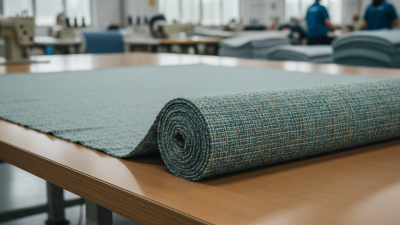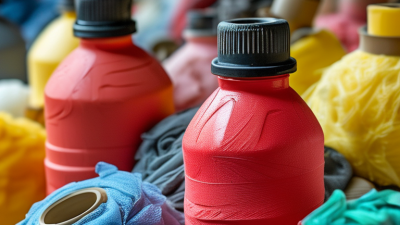
Recycled Pet Fabric is made by collecting used polyethylene terephthalate (PET) bottles, cleaning them, and converting the plastic into polyester fibers. The process turns discarded bottles into practical textiles for jackets, uniforms, bags, and upholstery. Textile Exchange’s Materials Market Report 2024 states that global fiber production reached approximately 124 million tonnes in 2023. Polyester remained the dominant fiber, representing about 57% of total output. Yet recycled polyester accounted for only a limited share of polyester production. The opportunity is significant. So is the responsibility.
Buyers should evaluate more than a recycled-content claim. A reliable supplier should explain the feedstock source, sorting process, spinning method, and certification status. The Global Recycled Standard (GRS) can verify recycled inputs and supply-chain controls. OEKO-TEX testing may also help assess harmful substances in finished fabrics. These details matter when a fabric feels smooth, holds color after washing, or survives repeated abrasion on a work bag. Recycled PET Fabric can reduce dependence on virgin petroleum-based materials and support bottle collection systems. However, it is not a perfect solution. Washing synthetic fabrics may release microfibers, and recycling alone cannot solve textile waste. Buyers should therefore request test reports, production samples, recycled-content evidence, and clear care instructions. The European Environment Agency has also emphasized the importance of durability and longer product use in reducing textile impacts. A thoughtful purchase considers performance, traceability, and end-of-life options together. Claims deserve evidence.
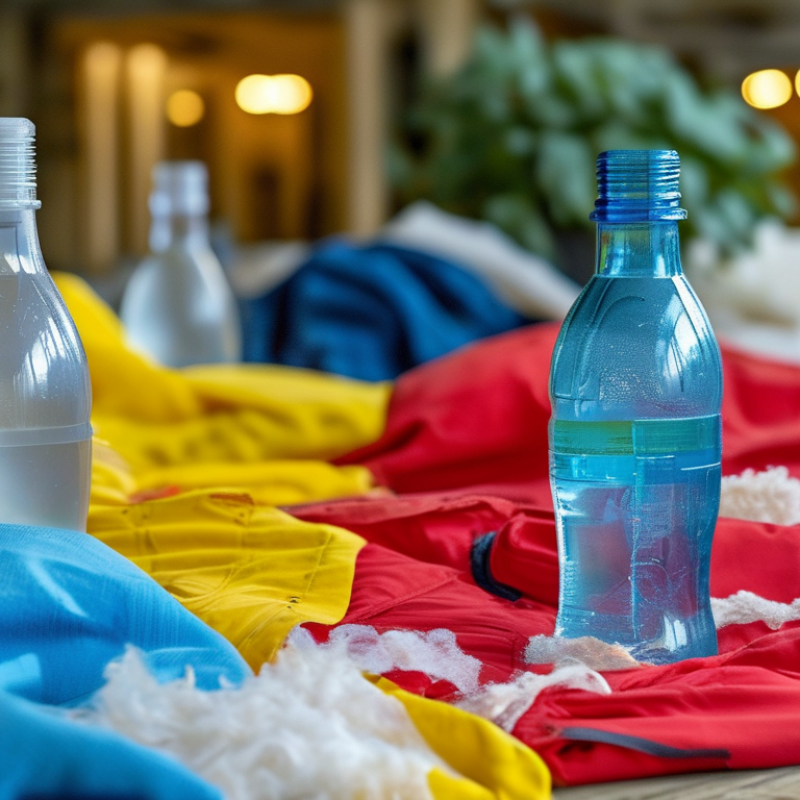
Recycled PET fabric, often called rPET fabric, is a textile made from used polyethylene terephthalate products. These products commonly include clear drink bottles and discarded polyester materials. The material is collected, sorted, washed, and shredded into small flakes. The flakes are then melted and pushed through fine openings to form continuous fibers. Manufacturers spin these fibers into yarn, then weave or knit them into fabric.
The finished fabric can feel smooth, firm, or slightly textured, depending on the yarn design. It is used in clothing, bags, outdoor products, and home textiles. In practical sourcing, buyers should examine recycled content records, production details, and laboratory reports. Useful tests include tensile strength, colorfastness, shrinkage, and pilling resistance. Consistent quality matters.
It is not magic. Recycled PET remains a synthetic fiber, so it can release microfibers during washing and does not biodegrade naturally. Mechanical recycling can also shorten the polymer chains, sometimes affecting softness or strength. Dyeing and finishing still require energy and water. A reliable supplier should explain the material’s origin and testing methods clearly. Buyers may also check whether the fabric contains recycled material before dyeing or after production. That difference can affect documentation and traceability. A fabric may look responsible while offering weak performance. Careful verification remains necessary.
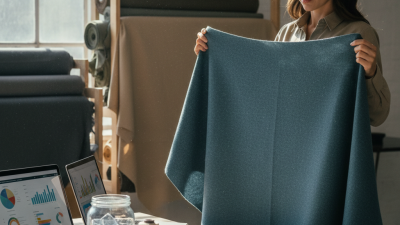
Recycled PET fabric begins with discarded plastic bottles, not with finished cloth. Collection centers sort bottles by resin type, color, and contamination level. Workers and machines remove caps, labels, dirt, and unsuitable plastics. The bottles are washed, dried, and crushed into small flakes. Clean flakes are heated and pushed through fine filters. The melted material passes through spinnerets, forming thin filaments. These filaments are stretched, cooled, and spun into yarn. Mills then knit or weave the yarn into fabric. Some fabrics receive brushing, dyeing, or moisture-control finishes.
It sounds simple. It is not.
A dependable process needs controlled temperatures, careful filtration, and batch testing. Technicians check fiber strength, color consistency, moisture, and chemical residues. They may also compare recycled content with production records and certificates. In practical sourcing, fabric appearance can be misleading. A smooth surface does not guarantee strong yarn or genuine recycled content. Recycled PET is also not impact-free. Washing, transport, energy use, and dyeing still consume resources. Recycling cannot repair every weak or contaminated input. That limitation deserves honest attention.
Tips: Ask whether the material contains post-consumer or pre-consumer PET. Request recycled-content documents, test reports, and production details. Check pilling, seam strength, shrinkage, and colorfastness before placing a large order. Small samples reveal problems. Choose suppliers that explain their process clearly and accept independent verification.
Recycled PET fabric is made by cleaning, melting, and spinning used plastic bottles into polyester fibers. The process gives discarded containers a useful second life. In my experience, the fabric usually feels smooth, lightweight, and consistent when the fiber quality is well controlled. It also resists wrinkles and dries faster than many natural fibers. This helps during washing, travel, and repeated daily wear.
Its main properties include good tensile strength, abrasion resistance, and dimensional stability. Garments can keep their shape after frequent use. Moisture-wicking performance depends on yarn design, fabric structure, and finishing treatments. Recycled PET alone does not guarantee strong breathability. That detail is often overlooked. Some fabrics may also feel less soft without blending or mechanical finishing.
Common applications include sports shirts, jackets, uniforms, bags, home textiles, and outdoor accessories. Its strength suits backpacks and workwear that face rubbing, bending, and regular washing. Lightweight knitted versions work well for active clothing, while denser woven fabrics can support curtains or protective covers. Buyers should check fiber content, recycled-material evidence, colorfastness, and care instructions before ordering. Traceability matters. Recycled fabric can still have weaknesses, such as fiber shedding and limited biodegradability. Choosing it requires practical judgment, not just a sustainability claim.
Recycled PET fabric is made from used plastic bottles and other PET waste. The material is cleaned, shredded, melted, and spun into new textile fibers. For buyers, this process gives discarded plastic a second useful life. It can also reduce demand for virgin petroleum-based materials.
The environmental benefits are measurable, although they depend on production methods and supply-chain data. Recycled PET usually requires less energy than producing new polyester. It may also lower greenhouse gas emissions and reduce plastic waste sent to landfills or incineration. Less water is typically used than in many natural fiber processes. However, recycled fabric is not impact-free. Washing can release microfibers, and blended fabrics may be difficult to recycle again. Not every claim is equal. Reliable suppliers should provide material records, testing documents, and clear recycled-content information.
Tips: Ask whether the fabric uses post-consumer PET, not only factory scraps. Check recycled-content percentages and certification details. Choose durable, tightly woven fabrics when possible, because longer service reduces replacement demand. Care matters too. Washing garments less often, using cooler water, and selecting a laundry bag can help reduce microfiber release. These actions are small, but they make the environmental advantage more practical. Some improvements remain uncertain, especially when transport and finishing processes are overlooked.
Compared with virgin polyester, recycled PET fabric can require approximately 59% less energy, produce 32% fewer greenhouse-gas emissions, and use 59% less water. These reductions are industry estimates and may vary according to collection, recycling, manufacturing, and energy sources.
Source: Textile Exchange, Preferred Fiber & Materials Matrix, recycled polyester comparison data.
Before choosing recycled PET fabric, buyers should verify what “recycled” actually means. Textile Exchange’s 2024 Materials Market Report estimates that polyester represented about 57% of global fiber production in 2023. Recycled polyester accounted for roughly 12% of polyester output. The figure is growing, but virgin polyester still dominates. That gap matters.
Ask for the feedstock source, recycled-content percentage, and chain-of-custody evidence. Bottle-based PET may offer clear traceability, while textile-to-textile recycling can reduce dependence on new plastic. However, availability and quality vary by supplier. Independent certifications, such as the Global Recycled Standard, can support documentation, but buyers should still inspect transaction records and test reports. Certification is useful. It is not magic.
Performance requires practical testing. Compare recycled PET with the required fabric specification for strength, colorfastness, pilling, shrinkage, and moisture management. The Ellen MacArthur Foundation has warned that synthetic textiles can release microfibers during washing, so yarn structure, finishing, and care instructions deserve attention. Recycled PET does not automatically solve that problem. Buyers should also ask whether the fabric can be recycled after use, because blended fibers and chemical finishes may complicate recovery. I would not treat recycled content as a complete sustainability score. Cost, dyeing energy, transport distance, durability, and verified supplier experience still influence the real impact. A transparent supplier should explain weaknesses, not only present attractive percentages.
| Data Dimension | Typical Information About Recycled PET Fabric | What Buyers Should Consider |
|---|---|---|
| Material Definition | Recycled PET fabric is a textile made from recycled polyethylene terephthalate, commonly obtained from used PET bottles or recovered polyester products. | Confirm whether the material is made from post-consumer recycled content, pre-consumer waste, or a combination of both. |
| Polymer Type | PET is a thermoplastic polyester. After suitable processing, recycled PET can be converted into polyester chips, filament yarn, staple fiber, or fabric. | Check whether the recycled polymer is mechanically recycled or chemically recycled, because processing route can affect traceability, performance, and cost. |
| Common Feedstock | Typical feedstock includes sorted used PET beverage containers, industrial polyester waste, and cutting or spinning waste. | Ask for information about collection, sorting, cleaning, and contamination-control procedures. |
| Typical Fiber Forms | Recycled PET can be produced as filament yarn, staple fiber, textured yarn, spun yarn, nonwoven fiber, and filling material. | Select the fiber form according to the intended product, such as apparel, home textiles, bags, upholstery, or insulation. |
| Typical Fabric Applications | Common applications include sportswear, casual clothing, fleece, bags, workwear, upholstery, home textiles, and nonwoven products. | Evaluate abrasion resistance, tear strength, pilling, colorfastness, and dimensional stability for the final use rather than relying only on the recycled content percentage. |
| Moisture Regain | Polyester generally has low moisture regain, approximately 0.4% under standard textile testing conditions. | Low moisture absorption supports quick drying, but buyers may need moisture-management finishes or fabric constructions for high-sweat applications. |
| Moisture Management | The fiber itself absorbs relatively little water, while fabric structure, yarn type, surface treatment, and garment design influence wicking and drying behavior. | Request test results for drying time, wicking, and breathability when performance claims are important. |
| Thermal Behavior | PET has a melting range commonly reported around 250–260°C, although the exact value depends on polymer grade and processing history. | Follow the supplier’s recommended settings for dyeing, heat-setting, ironing, lamination, and other thermal processes to avoid shrinkage or deformation. |
| Durability | Well-processed recycled PET can provide polyester-like strength, abrasion resistance, and dimensional stability. | Compare actual performance-test results with the requirements of the product. Recycled content alone does not guarantee higher durability. |
| Color and Appearance | Recycled PET fabric can be dyed and finished in many colors. Feedstock quality and processing may influence shade consistency, whiteness, and surface appearance. | Request laboratory-dip approval, shade bands, colorfastness data, and information about lot-to-lot consistency before bulk purchasing. |
| Resource Benefit | Using recycled PET can reduce dependence on new fossil-based feedstock and divert suitable plastic waste from disposal or leakage into the environment. | Assess the complete supply chain, including electricity sources, water use, transport, dyeing, finishing, and packaging, rather than assuming every recycled product has the same environmental impact. |
| Recycled Content | The recycled content may be expressed as a percentage of the total fiber or fabric composition. Some products may contain 100% recycled polyester, while others are blends. | Confirm whether the percentage refers to the whole product, a specific component, or only the fiber portion. Check the calculation method in the transaction documents. |
| Traceability | Traceability may cover the movement of material from waste collection and processing through yarn production, fabric production, and finished goods. | Request transaction certificates, chain-of-custody records, production records, and batch or lot identification where applicable. |
| Certification Evidence | Recycled-content claims may be supported by recognized third-party certification systems that verify material content and supply-chain controls. | Verify the certificate scope, validity period, product coverage, recycled-content percentage, and whether the certificate applies to the actual supplier and production site. |
| Chemical and Safety Requirements | Finished recycled PET fabric should meet the chemical, restricted-substance, and product-safety requirements of the destination market and intended use. | Request relevant laboratory reports for restricted substances, colorfastness, formaldehyde where applicable, and other requirements specified in the purchase contract. |
| Blending Options | Recycled PET may be blended with other fibers, such as cotton, elastane, viscose, or virgin polyester, to achieve specific comfort or performance properties. | Check the exact fiber composition and consider how blends may affect recyclability, care instructions, labeling, and end-of-life options. |
| Care Performance | Polyester fabrics are generally quick-drying and resistant to shrinkage, but heat, friction, washing conditions, and finishes can affect appearance and service life. | Review wash-test results, pilling performance, dimensional change, colorfastness, and recommended care instructions before approval. |
| End-of-Life Considerations | PET is technically recyclable, but textile recycling depends on collection systems, fabric composition, colorants, finishes, and available recycling infrastructure. | Prefer simpler fiber compositions where appropriate, minimize unnecessary finishes, and consider take-back or recycling pathways in the target market. |
| Quality-Control Documents | Useful documents may include a technical data sheet, composition report, physical-performance test report, colorfastness report, and inspection record. | Set measurable acceptance criteria for weight, width, composition, strength, shrinkage, shade variation, defects, and packaging before placing an order. |
| Commercial Decision | Recycled PET can support sustainability targets while offering familiar polyester processing and performance characteristics. | Choose it when verified recycled content, required technical performance, regulatory compliance, supply continuity, and total cost all meet the project requirements. |
Note: Actual values vary according to polymer quality, recycled content, yarn construction, fabric structure, dyeing, finishing, and testing method. Buyers should approve products using samples and independent or supplier-supported test reports.