Top 10 Imitation Linen Fabric Suppliers in China for Global Buyers
In the ever-evolving textile industry, "Imitation Linen Fabric" has carved out a niche for itself. This fabric, known for its lightweight and breathable qualities, mimics the elegant look of traditional linen while offering affordability. Expert Lucy Chen, a textile industry analyst, emphasizes, "Imitation Linen Fabric provides a sustainable and stylish alternative for fashion-forward consumers."
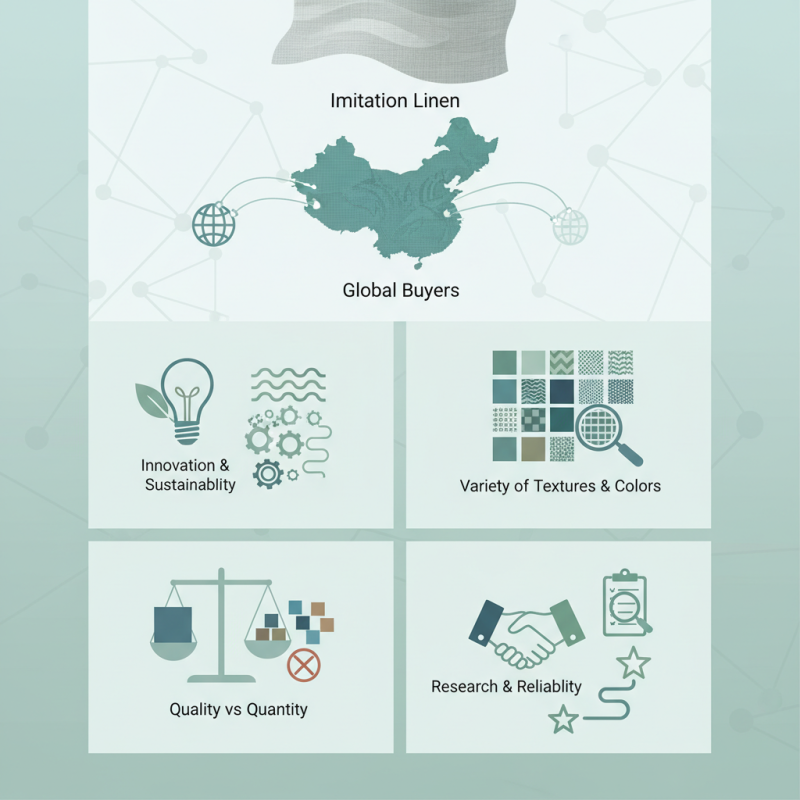
China stands at the forefront of this market, with numerous suppliers catering to global demand. These suppliers are not only innovative but also dedicated to sustainable practices. With an array of textures and colors, the choices can be overwhelming. However, buyers must navigate this landscape strategically. Some suppliers may sacrifice quality for quantity, leading to inconsistent fabric performance.
Moreover, the challenge of ensuring reliability persists. Not every supplier guarantees the same standards. It is essential to conduct thorough research and build relationships to achieve the best results. The journey to find the ideal "Imitation Linen Fabric" supplier requires patience and diligence, yet the rewards are well worth the effort.
Overview of Imitation Linen Fabric and Its Applications
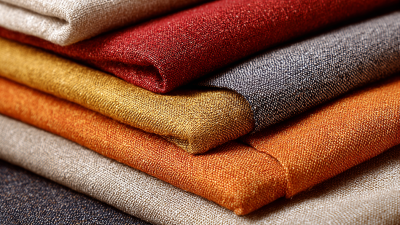
Imitation linen fabric is a popular choice for many applications due to its versatility and affordability. This fabric mimics the look and feel of natural linen, providing an elegant touch to various products. Its breathable qualities make it ideal for spring and summer apparel. Moreover, it is lightweight, making it suitable for comfortable clothing and accessories.
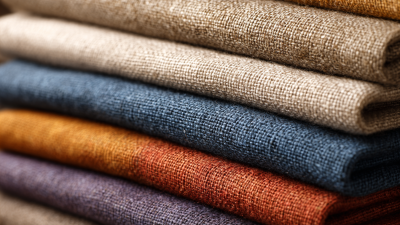
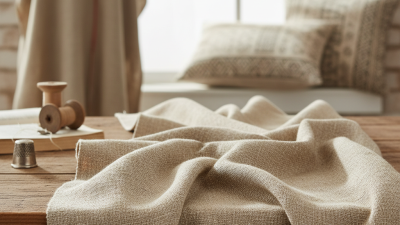
You can find imitation linen in various colors and patterns. It is often used for home textiles, such as curtains, tablecloths, and upholstery. The fabric holds dyes well, allowing for vibrant designs. However, not all imitation linen fabrics are created equal. Some may lack durability, leading to quick wear and tear. It's vital to consider the weight and weave before making a purchase.
Feedback from manufacturers indicates a growing demand for eco-friendly materials. While imitation linen is a synthetic alternative, its environmental impact should not be ignored. The production processes can vary widely. Some suppliers may prioritize sustainable practices, while others do not. Therefore, buyers need to conduct thorough research and prioritize suppliers that align with their values regarding environmental responsibility.
Top 10 Imitation Linen Fabric Suppliers in China: A Detailed List
In the global textile market, imitation linen fabric has gained immense popularity for its affordability and versatility. A recent industry report indicates that the demand for imitation linen is projected to grow by 6% annually. This fabric offers a similar look and feel to natural linen while being more cost-effective. Many manufacturers in China excel in producing high-quality imitation linen that meets international standards.
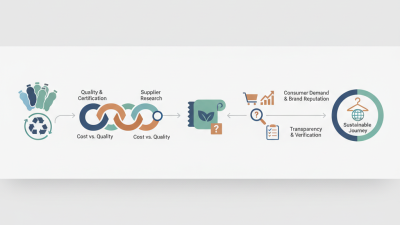
When sourcing imitation linen, buyers should consider the top suppliers in China. Reliable suppliers prioritize innovative production techniques and sustainability. Some reports highlight that nearly 70% of textile businesses now focus on eco-friendly practices. However, there is still a gap in transparency. Buyers must verify the quality and sourcing methods of materials. The wide range of available colors and textures often leads to confusion among buyers.
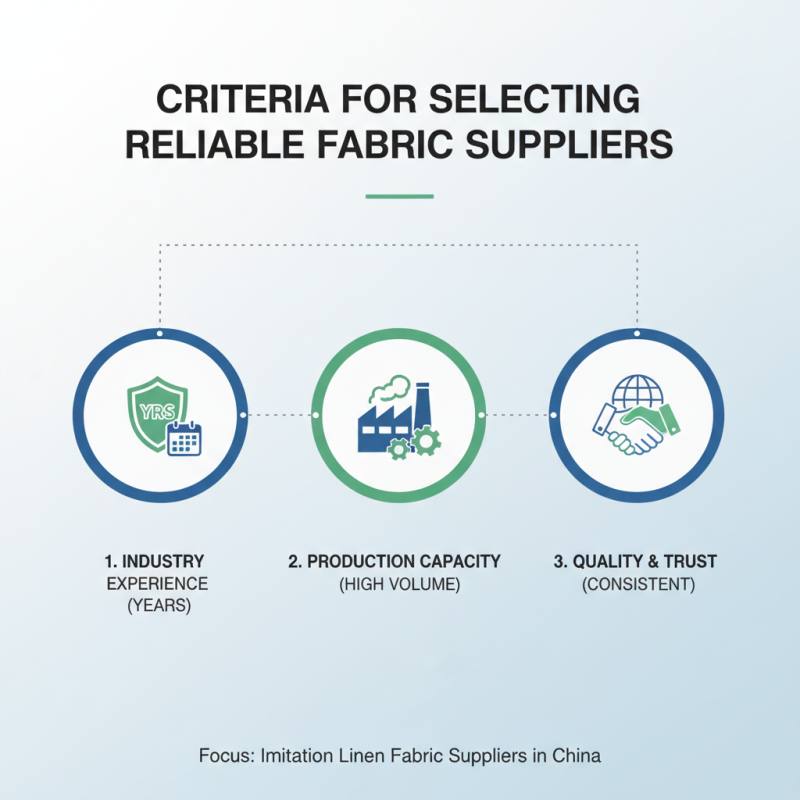
Understanding these details is crucial for global buyers. While the market thrives, challenges remain. Issues such as inconsistent quality and varying lead times persist. It’s essential to conduct thorough research before finalizing supplier partnerships. Examining certifications and previous buyer reviews can significantly assist in making informed decisions.
Top 10 Imitation Linen Fabric Suppliers in China for Global Buyers
| Supplier Location |
Product Range |
Minimum Order Quantity |
Lead Time (Days) |
Certifications |
Contact Information |
| China, Guangdong |
Imitation Linen, Home Textiles |
500 meters |
20 |
ISO 9001, Oeko-Tex |
sale@wjzctextiles.com |
| China, Jiangsu |
Cotton Blends, Apparel Fabrics |
300 meters |
15 |
SGS, ISO 14001 |
sale@wjzctextiles.com |
| China, Zhejiang |
Decorative Fabrics, Upholstery |
1000 meters |
25 |
BSCI, WRAP |
sale@wjzctextiles.com |
| China, Fujian |
Fashion Fabrics, Linen Look |
200 meters |
30 |
ISO 9001, OEKO-TEX |
sale@wjzctextiles.com |
| China, Shandong |
Workwear Fabrics, Heavyweight |
400 meters |
18 |
ISO 14001, BSCI |
sale@wjzctextiles.com |
| China, Hebei |
Home Decor, Table Linens |
250 meters |
22 |
BSCI, OEKO-TEX |
sale@wjzctextiles.com |
| China, Hunan |
Synthetic Fabrics, Economic Linen |
600 meters |
35 |
ISO 9001, BSCI |
sale@wjzctextiles.com |
| China, Anhui |
Fabrics for Crafts, Quilting |
800 meters |
28 |
OEKO-TEX, ISO 14001 |
sale@wjzctextiles.com |
| China, Shanghai |
Premium Fabrics, Eco-Friendly |
150 meters |
10 |
ISO 9001, GOTS |
sale@wjzctextiles.com |
| China, Beijing |
Custom Printed Fabrics, Linen Alternatives |
350 meters |
30 |
BSCI, OEKO-TEX |
sale@wjzctextiles.com |
Analysis of Pricing and Quality Among Major Suppliers
The imitation linen fabric market in China has seen significant growth. As a global buyer, understanding pricing and quality is crucial. Recent reports indicate that imitation linen prices can range from $2 to $5 per meter. This depends on material composition, weaving techniques, and supplier reputation. A higher price often indicates better quality.
Quality assurance still varies widely among suppliers. A study found that 30% of suppliers fail to meet international quality standards. Buyers should prioritize suppliers with certifications. This ensures compliance with eco-friendly practices. Many suppliers now provide detailed product information, improving transparency. Buyers must remain vigilant. Not all claims are verified.
By analyzing these factors, buyers can make informed decisions. Developing a checklist for supplier evaluation enhances the selection process. It is essential to weigh all aspects, including pricing, quality, and reliability. This industry often exhibits price fluctuations. Monitoring trends can prevent unexpected costs and ensure better sourcing outcomes.
Trends in the Imitation Linen Fabric Market and Global Demand
Imitation linen fabric has gained significant traction in the global market. According to a recent market study by Grand View Research, the textile market is expected to reach $1 trillion by 2025. This growth is largely driven by increased consumer demand for sustainable and eco-friendly materials.
The trend toward sustainable fabrics is reshaping industry dynamics. Data from the Textile Exchange indicates that over 60% of consumers prefer eco-friendly options. Imitation linen, made from recycled and synthetic fibers, meets this demand. Its lightweight and breathable qualities make it suitable for a variety of applications, from apparel to home textiles.
However, there are challenges. Some manufacturers struggle with maintaining quality while scaling up production. Reports suggest a gap in the supply chain, leading to inconsistent fabric quality. This inconsistency can affect brand reliability and consumer trust. As buyers seek durable and stylish options, suppliers must address these quality issues. The focus on innovation in fabric technology is essential to meet evolving market demands.