Top Benefits of Recycled Denim Fabric for Sustainable Fashion?
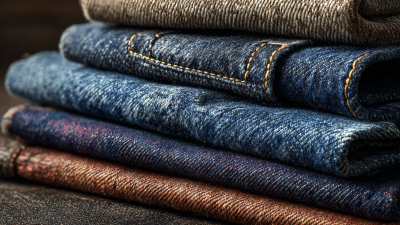
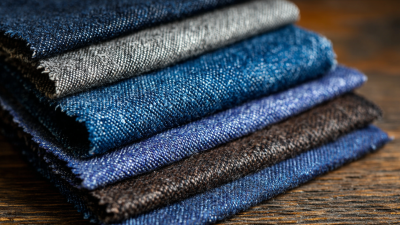
In today's fashion industry, sustainability is more than a trend. It is a vital need. One innovative solution lies in Recycled Denim Fabric. This eco-friendly material transforms discarded denim into stylish and functional clothing. By recycling, we reduce waste in landfills and conserve precious resources.
Recycled Denim Fabric offers numerous benefits. It requires less water and energy compared to traditional denim manufacturing. This reduction is crucial in an era of environmental crisis. Additionally, it challenges the throwaway culture of fast fashion. However, not all recycled materials are created equal. Some processes may still emit harmful chemicals. This highlight urges consumers to research brands and their practices carefully.
The journey towards sustainability in fashion is complex. Embracing Recycled Denim Fabric is an important step. However, we must continue to address challenges within the recycling process. Making informed choices enhances the positive impact. The shift towards sustainable fashion relies on our collective awareness and action.

The Environmental Impact of Conventional Denim Production
Denim production significantly impacts the environment. Traditional methods often consume vast amounts of water, using up to 10,000 liters for a single pair of jeans. This intense water usage leads to droughts in certain regions. Additionally, the dyeing process utilizes toxic chemicals, which can pollute local waterways, harming aquatic life.
The cotton farming essential for denim also contributes to environmental degradation. Pesticides used in conventional farming affect soil health and biodiversity. This results in diminished ecosystems, making recovery challenging. While denim is a staple in many wardrobes, its production leaves a hefty carbon footprint. The challenge is balancing fashion needs with environmental responsibilities.
Switching to recycled denim fabric can mitigate these issues. By reusing materials, we reduce the demand for new cotton and minimize water consumption. Yet, the recycling process isn’t flawless. It requires energy and still contributes toxins. The focus must be on improving methods and embracing sustainable practices within the industry. Transitioning towards responsible denim production is a journey. Each step can lead to meaningful change.
Top Benefits of Recycled Denim Fabric for Sustainable Fashion
| Benefit |
Description |
Environmental Impact |
| Reduces Water Usage |
Recycled denim uses significantly less water compared to conventional denim production. |
Conventional denim production can consume up to 7,000 liters of water per pair of jeans. |
| Less Waste Generation |
Utilizing recycled denim helps divert textile waste from landfills. |
Over 92 million tons of textile waste is created every year globally. |
| Lower Carbon Footprint |
Recycling denim reduces energy consumption and greenhouse gas emissions. |
Traditional denim production is responsible for millions of tons of CO2 emissions annually. |
| Conserves Raw Materials |
Recycled denim minimizes the need for new cotton farming. |
Cotton farming is resource-intensive and uses large amounts of pesticides and fertilizers. |
| Promotes Circular Economy |
Encourages a sustainable cycle of use, reuse, and recycling within the fashion industry. |
Supports reduced resource extraction and waste generation in the long term. |
Recycling Processes: Transforming Old Denim into New Fabric
The recycling process for denim is innovative and impactful. Old denim can undergo several methods to be transformed into new fabric. Typically, the first step involves sorting the denim by color and type. This ensures that the recycled products maintain a consistent quality. According to the Textile Exchange, recycled denim reduces water usage by approximately 75% compared to producing new denim.
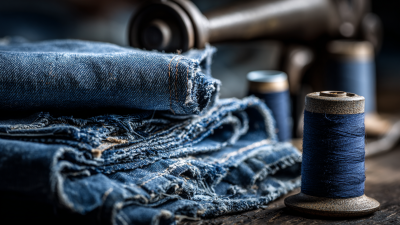
After sorting, the denim is shredded into small pieces. This mechanical process opens up fibers, making it easier to blend with other materials. The resulting fabric can then be rejuvenated through various treatments, such as chemical processing or enzyme treatment. Data highlights that using recycled denim can significantly lower carbon emissions—up to 60% less than traditional methods.
Despite the benefits, challenges remain. Not all denim is recyclable due to added materials such as spandex. This complicates the recycling process. Additionally, the quality of recycled denim can vary, leading to inconsistent end products. The industry continuously seeks improvements to address these issues. As sustainable practices evolve, the demand for high-quality, recycled denim fabric is poised to grow.
Sustainability Metrics: Water and Energy Savings from Recycled Denim
Recycled denim fabric stands out in sustainable fashion due to its significant environmental benefits. One of the main advantages is the substantial water savings it offers. Traditional denim production is water-intensive, requiring nearly 7,000 liters for a single pair. In contrast, recycled denim can reduce this usage by up to 90%. This change can help alleviate water scarcity in many regions.
Energy consumption is another critical aspect. Producing recycled denim typically uses 60% less energy than creating new denim. This reduction diminishes carbon emissions considerably. While brands are making strides, it’s important to recognize that not all recycled components are equally efficient. Some processes still rely on outdated technologies, which are less effective in achieving these sustainability goals.
However, challenges remain in ensuring the quality and durability of recycled denim. Many consumers are still skeptical about the longevity of recycled products. This is a crucial point for brands to consider. They must emphasize both sustainability and quality. Balancing these factors will be vital for the wider acceptance of recycled denim in the fashion industry.
Top Benefits of Recycled Denim Fabric for Sustainable Fashion
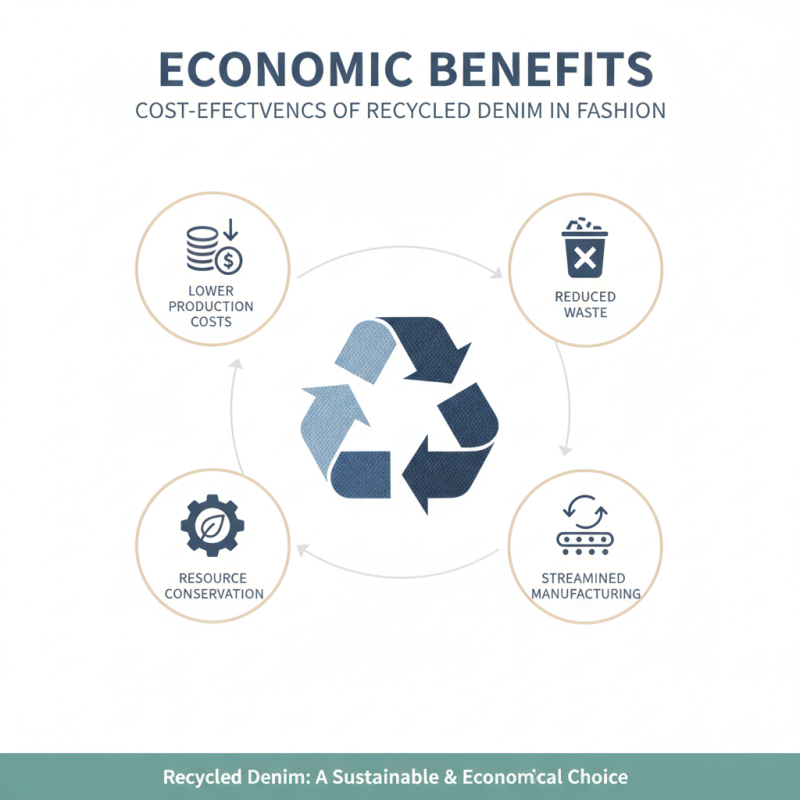
Economic Benefits: Cost-Effectiveness of Recycled Denim in Fashion
Recycled denim fabric is becoming a key player in sustainable fashion. Economically, it presents significant cost-saving opportunities. By reusing materials, brands can lower production costs and reduce waste. This approach not only conserves resources but also streamlines manufacturing processes.
The cost-effectiveness of recycled denim can be surprising. Traditional denim production is resource-intensive, requiring vast amounts of water and energy. In contrast, recycled denim taps into existing fabric, minimizing environmental impact. However, there are challenges. The initial investment in recycling technology can be high. Smaller brands may struggle to adopt this approach fully.
Additionally, consumer perceptions can hinder growth. Some shoppers remain skeptical about the quality of recycled products. This skepticism can lead to lower demand and reduced profitability. Brands must educate consumers on the benefits of recycled denim. By addressing these concerns, they can build trust and enhance their market presence.
Consumer Trends: Growing Demand for Sustainable Denim Options
The rising trend of sustainable fashion is transforming the denim industry. Consumers are increasingly opting for eco-friendly denim options. This shift reflects a broader awareness of environmental issues. Many buyers now seek out recycled denim fabric as a preferred choice. They appreciate its reduced carbon footprint and lower water usage.
Yet, this trend comes with challenges. Not all recycled denim meets quality standards. Some products may lack durability, leading to consumer disappointment. In addition, sourcing materials sustainably can be difficult for manufacturers. As the demand grows, producers must navigate these hurdles to maintain trust.
Innovations in fabric recycling are promising. Brands are experimenting with new techniques and blends. This experimentation opens doors to exciting designs while minimizing waste. Transparency in sourcing will also enhance consumer confidence. Building a sustainable future requires continuous improvement and commitment from all stakeholders.