Top 10 Benefits of Recycled Denim Fabric in Fashion Industry?
Recycled Denim Fabric is transforming the fashion industry. It represents a sustainable approach to clothing, reducing waste and promoting eco-friendliness. Renowned textile expert Dr. Jane Thompson states, “Recycled Denim Fabric is not just a trend; it’s a vital step toward a sustainable future.” Her insights highlight the growing importance of sustainability in fashion.
Many brands embrace Recycled Denim Fabric for its numerous benefits. One of the most significant advantages is its reduced environmental impact. Producing traditional denim requires vast amounts of water and energy. In contrast, recycled denim uses significantly less, aligning with global sustainability goals.
However, challenges remain in this industry. Not all recycled fabrics meet quality standards, which can deter brands from fully committing to them. Striking the right balance between sustainability and quality is crucial. As the industry evolves, ongoing collaboration and innovation will be key in overcoming these obstacles. Recycled Denim Fabric holds promise, but it requires continuous improvement and consumer awareness to reach its full potential.
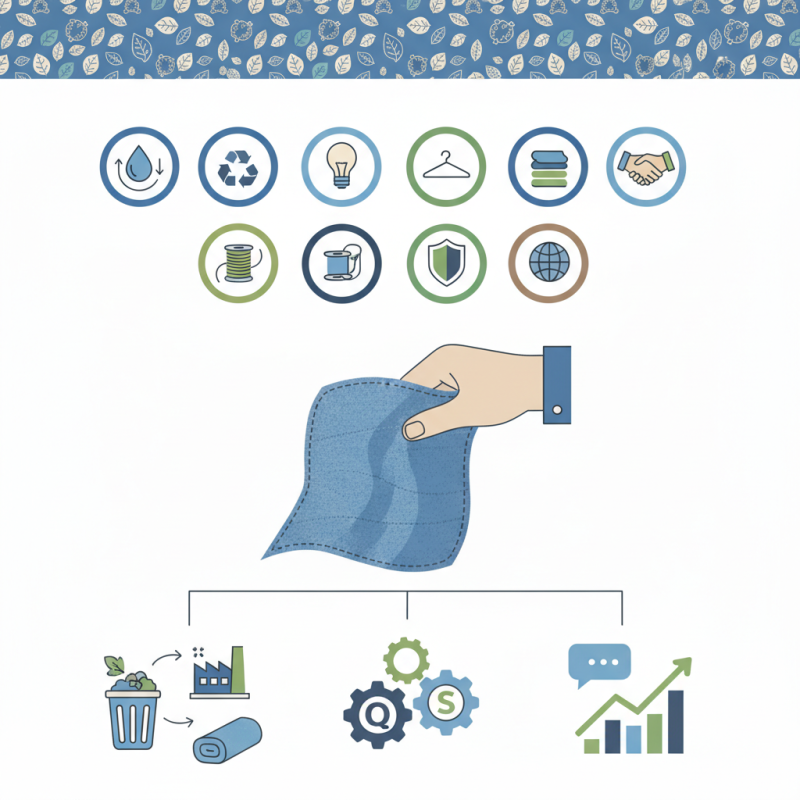
Benefits of Recycled Denim Fabric for Sustainable Fashion Practices
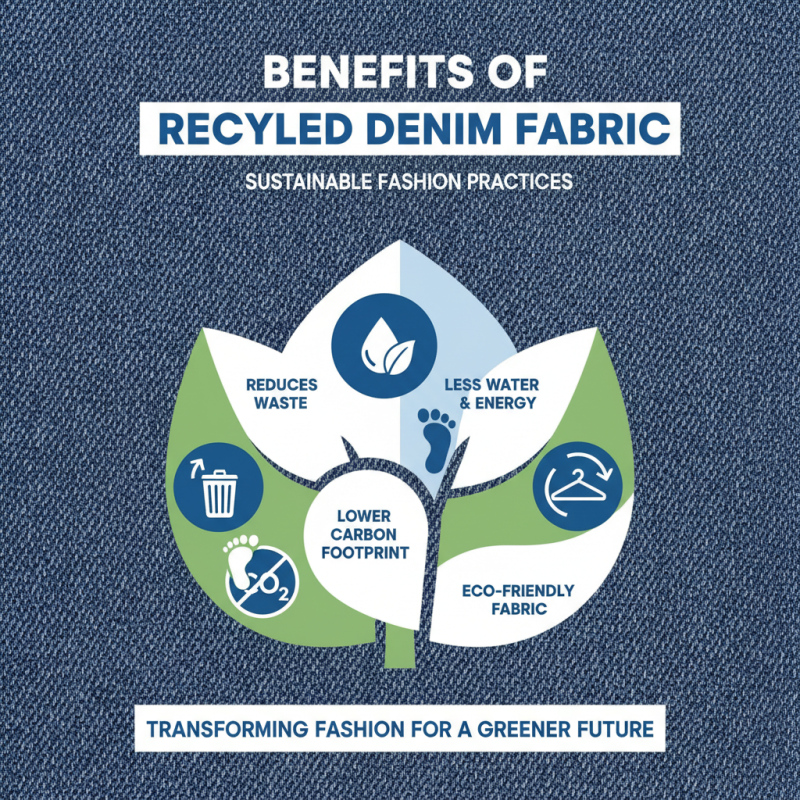
Recycled denim fabric is transforming the fashion industry. It represents a sustainable option that reduces waste. Traditional denim production consumes vast resources. By recycling, we minimize the impact on the environment. This process uses less water and energy than new fabric production. It helps in reducing the carbon footprint associated with fast fashion.
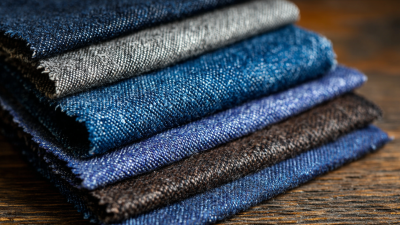
The aesthetics of recycled denim are noteworthy. Designers often blend different textures and colors, creating unique pieces. This approach encourages creativity and individuality in fashion. However, the quality can vary. Some recycled fabrics may not meet the standards of new denim. It raises questions about reliability and the long-term durability of these outfits.
Consumers face a choice. They can support sustainable practices or engage in conventional fast fashion habits. Awareness is growing. Many are driven by environmental concerns. However, the fashion industry still grapples with challenges. Balancing style with sustainability remains an ongoing struggle. Recycled denim has potential but requires thoughtful consideration and improvements.
Environmental Impact: Reducing Waste Through Denim Recycling
The fashion industry faces significant challenges with waste.
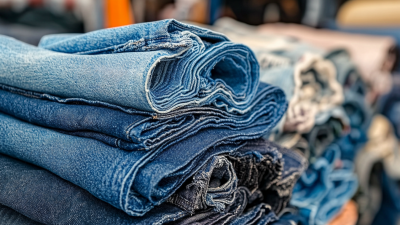
Denim, a staple fabric, contributes heavily to this problem. Traditional denim production uses vast amounts of water and results in excess waste. By recycling denim fabric, we can mitigate these issues. Recycled denim reduces landfill waste and promotes a circular economy. This approach is beneficial for both the environment and the industry.
Recycling denim also decreases the need for virgin materials. This process uses fewer resources and energy, lowering overall environmental impact. However, challenges remain. Not all denim is easy to recycle. Contaminants and dyes can complicate the recycling process. Moreover, recycled products sometimes struggle for recognition in a market driven by newness.
Creating recycled denim is not just an eco-friendly choice; it also encourages innovation. New techniques and methods are evolving to improve recycling efficiency. As the industry shifts towards sustainability, there’s a crucial need for education. Ensuring consumers understand the benefits of recycled denim can bolster demand. Engaging in honest discussions about limitations and possibilities is vital for future growth.
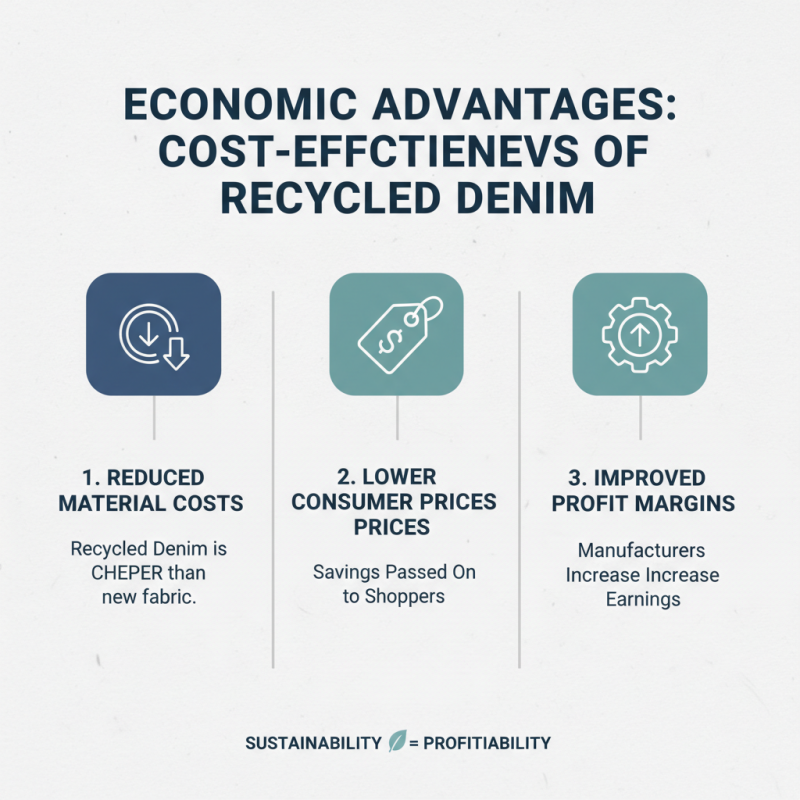
Economic Advantages: Cost-Effectiveness of Using Recycled Denim
The fashion industry is embracing sustainability through recycled denim fabric. This shift not only promotes environmental awareness, but it also yields significant economic advantages. Recycled denim is often cheaper than new fabric. Reducing raw material costs lowers pricing for consumers while improving profit margins for manufacturers.
Production of recycled denim fabric requires less energy and water compared to conventional denim. By reusing materials, companies can save on resource expenses. These savings contribute to cost-effectiveness. Many businesses report lower overhead costs, which is appealing, especially for smaller brands. It can create new opportunities for market competition.
Some challenges remain, however. Sourcing quality recycled materials can be inconsistent. Not every recycled batch meets the desired quality standards. This inconsistency can impact the overall product. Brands must prioritize quality control while balancing cost savings. These adjustments are crucial for maintaining reliability in product offerings.
Quality and Durability: Performance Benefits of Recycled Denim Fabrics
Recycled denim fabric is gaining attention in the fashion industry. This sustainable material offers remarkable quality and durability. Recycled denim is created from old jeans and textile scraps. It retains key properties that are vital in fashion. The strength of recycled denim rivals new denim, making it ideal for lasting garments.
When it comes to performance, recycled denim does not disappoint. It holds its shape well and resists wear and tear effectively. Additionally, the soft texture makes it comfortable for daily wear. Eco-friendly practices in production mean lower environmental impact. This approach reflects a growing commitment to sustainability in fashion.
**Tip:** Look for recycled denim in your next purchase. Check labels for certifications that ensure quality.
This material also presents challenges. Not all recycled denim is created equal. Some products may not offer the same durability as their traditional counterparts. Always assess the garment carefully before buying.
**Tip:** Research brands that prioritize recycled materials. Opt for those known for their commitment to quality. Educate yourself for a better sustainable fashion choice.
Top 10 Benefits of Recycled Denim Fabric in Fashion Industry
| Benefit |
Description |
Performance Aspect |
| Eco-Friendly |
Reduced environmental impact by recycling waste. |
Sustainability |
| Durability |
Recycled denim is strong and long-lasting. |
Longevity |
| Cost-Effectiveness |
Often cheaper to produce than new denim. |
Economic |
| Unique Texture |
Offers unique aesthetics due to recycled nature. |
Design Flexibility |
| Waste Reduction |
Minimizes landfill waste through recycling processes. |
Environmental Impact |
| Water-Efficient |
Requires less water compared to traditional production. |
Resource Conservation |
| Versatility |
Can be used in a variety of clothing styles. |
Fashion Innovation |
| UV Resistance |
Holds up well against UV rays, enhancing longevity. |
Performance |
| Low Carbon Footprint |
Reduced carbon emissions through recycling practices. |
Sustainability |
| Ease of Care |
Generally easy to wash and maintain. |
User Convenience |
Innovation in Design: Creative Possibilities with Recycled Denim Materials
Recycled denim is transforming design in the fashion industry. Designers are exploring its creative possibilities, resulting in bold and innovative pieces. The demand for sustainable materials is growing, with reports showing a 35% increase in consumer interest in eco-friendly options. Using recycled denim not only reduces waste but also inspires originality in design.
Innovative techniques, like upcycling and patching, allow designers to create unique garments. These methods elevate denim fashion, showcasing individual artistry. A study shows that garments made from recycled materials can lower carbon footprints by up to 50%. This substantial impact highlights the potential of innovative design using recycled fabric.
However, challenges exist. The quality of recycled denim can vary. This inconsistency may affect the final product. Designers must carefully select their materials while pushing creative boundaries. Embracing imperfections often leads to stand-out designs that tell a story. Balancing sustainability with aesthetic appeal remains a crucial journey for fashion innovators.
Top 10 Benefits of Recycled Denim Fabric in Fashion Industry
This bar chart depicts the top 10 benefits of using recycled denim fabric in the fashion industry, showcasing its significant impact on sustainability and innovation.